

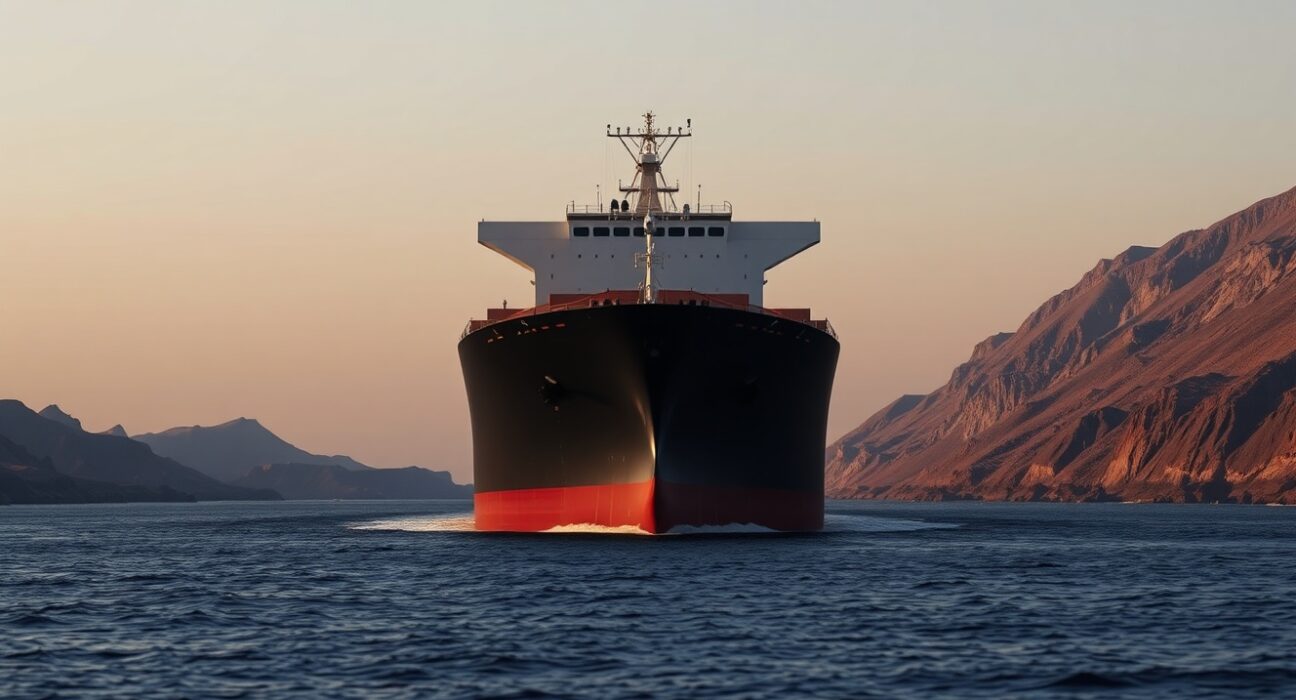
Global oil markets face complex pressures from divergent product performance and escalating geopolitical tensions in the Middle East, according to recent analysis from Commerzbank. Frankfurt-based analysts highlight how refinery margins and regional security concerns create unprecedented volatility as we approach 2025. This comprehensive examination explores the fundamental drivers behind current price movements and strategic vulnerabilities.
Mixed Product Impact on Global Oil Markets
Refined petroleum products demonstrate significant price divergence across global markets. Gasoline inventories in the United States remain below seasonal averages, supporting stronger crack spreads. Meanwhile, middle distillates like diesel and jet fuel show weaker fundamentals in Europe and Asia. This product imbalance creates complex challenges for refiners and traders worldwide. Consequently, market participants must navigate these divergent trends carefully.
Several factors contribute to this mixed product landscape. First, post-pandemic travel patterns continue to evolve, affecting jet fuel demand recovery. Second, industrial activity slowdowns in key manufacturing regions impact diesel consumption. Third, seasonal factors influence heating oil requirements differently across hemispheres. Finally, refinery configurations and maintenance schedules create temporary supply imbalances. These elements combine to create the current market structure.
Refinery Economics and Strategic Adjustments
Refiners face difficult decisions regarding production optimization. Complex refineries with secondary processing units can adjust yields toward more profitable products. However, simpler refineries have limited flexibility to respond to market signals. This technological disparity creates competitive advantages for certain operators. Additionally, environmental regulations increasingly influence refinery operations and investment decisions.
The transition toward cleaner fuels adds another layer of complexity. Renewable diesel and sustainable aviation fuel production continues to expand globally. These alternative products compete with traditional petroleum-based fuels in specific markets. Furthermore, electric vehicle adoption gradually reduces long-term gasoline demand projections. These structural changes require careful consideration in investment planning.
Hormuz Strait: Critical Global Chokepoint
The Strait of Hormuz represents the world’s most important oil transit corridor. Approximately 21 million barrels of oil pass through this narrow waterway daily. This volume represents roughly 21% of global petroleum consumption and 30% of seaborne traded oil. Any disruption to this transit route would immediately impact global energy markets. Therefore, security concerns in this region command constant market attention.
Recent geopolitical developments have heightened tensions around this strategic passage. Naval incidents and regional conflicts create persistent uncertainty for shipping operations. Insurance premiums for vessels transiting the area have increased accordingly. Additionally, alternative routing options remain limited and economically challenging. These factors combine to create a persistent risk premium in oil prices.
Historical Context and Market Responses
Previous disruptions in the Strait of Hormuz provide important historical context. During the 2019 tanker attacks, oil prices increased by approximately 4% within days. Similarly, the 2021 seizure of a tanker caused temporary price spikes. Markets typically respond to both actual disruptions and heightened threat levels. Strategic petroleum reserves in consuming countries provide some buffer against short-term disruptions.
Shipping companies implement various risk mitigation strategies. These include enhanced security measures, route planning adjustments, and insurance coverage optimization. Furthermore, some vessels now transmit additional location data while transiting high-risk areas. International naval patrols provide additional security layers. Despite these measures, the fundamental vulnerability remains significant.
Commerzbank’s Analytical Framework
Commerzbank’s commodity research team employs sophisticated modeling approaches. Their analysis incorporates both fundamental supply-demand factors and geopolitical risk assessments. The bank’s Frankfurt-based analysts monitor real-time shipping data through the Strait of Hormuz. They also track refinery operations and inventory levels across key regions. This comprehensive approach provides valuable market insights.
The research indicates several key findings for market participants. First, product-specific fundamentals increasingly drive refinery profitability. Second, geopolitical risks create persistent but variable price premiums. Third, market structure changes require adaptive trading strategies. Fourth, regulatory developments significantly influence long-term investment decisions. These insights help inform risk management approaches.
Quantifying Risk Premiums and Market Impacts
Analysts attempt to quantify the current risk premium attributable to Hormuz tensions. Estimates typically range between $3 and $8 per barrel depending on threat levels. This premium fluctuates based on diplomatic developments and security incidents. Additionally, the premium varies across different crude oil benchmarks. Middle Eastern crudes typically carry higher risk premiums than Atlantic Basin grades.
The mixed product impact presents different challenges. Gasoline cracks currently show strength in Atlantic markets. Meanwhile, diesel cracks demonstrate weakness in European and Asian markets. These divergences create arbitrage opportunities for sophisticated traders. However, they also complicate inventory management for physical market participants. Storage economics become increasingly important in this environment.
Global Energy Security Considerations
Energy security concerns have returned to policy forefronts worldwide. The European Union continues to diversify away from Russian energy supplies. Asian importers seek to secure long-term supply contracts with Middle Eastern producers. Meanwhile, the United States balances domestic production with strategic considerations. These developments create complex interdependencies in global energy markets.
Strategic petroleum reserves play crucial roles in market stability. International Energy Agency members maintain emergency stockpiles equivalent to at least 90 days of net imports. These reserves provide important buffers against supply disruptions. However, their effectiveness depends on timely release decisions and logistical capabilities. Coordination among consuming countries enhances their collective impact.
Alternative Routing Options and Infrastructure
Several alternative routes bypass the Strait of Hormuz, though with limitations. The East-West Pipeline across Saudi Arabia has approximately 5 million barrels per day capacity. The Abu Dhabi Crude Oil Pipeline connects Habshan to Fujairah with 1.5 million barrels daily capacity. Additionally, the Iraq-Turkey pipeline provides alternative export routes for northern Iraqi crude. These alternatives cannot fully replace Hormuz transit capacity.
Infrastructure development continues across the region. Saudi Arabia plans additional pipeline capacity to Red Sea terminals. The United Arab Emirates invests in expanded storage facilities at Fujairah. Oman develops Duqm as an alternative refining and storage hub. These projects gradually enhance regional energy security. However, they require substantial investment and time for completion.
Market Outlook and Strategic Implications
The interaction between product fundamentals and geopolitical risks creates complex market dynamics. Refiners must balance short-term profitability against long-term strategic positioning. Traders navigate volatile price spreads across different regions and products. Policymakers consider energy security implications of geopolitical developments. These interconnected considerations shape market outcomes.
Several key factors will influence market developments through 2025. Global economic growth patterns will determine overall oil demand. Refining capacity additions will affect product supply balances. Geopolitical developments will influence risk premiums. Environmental policies will shape investment decisions. Technological advancements will alter consumption patterns. Monitoring these factors provides valuable market intelligence.
Conclusion
Oil markets navigate complex challenges from mixed product impacts and Hormuz Strait risks. Commerzbank’s analysis highlights the intricate relationship between refinery economics and geopolitical security concerns. Market participants must consider both fundamental factors and risk premiums in their decision-making processes. The strategic importance of the Strait of Hormuz ensures continued market sensitivity to regional developments. Understanding these dynamics remains essential for navigating global energy markets effectively.
FAQs
Q1: What is the Strait of Hormuz’s importance for global oil markets?
The Strait of Hormuz handles approximately 21 million barrels of oil daily, representing 21% of global consumption and 30% of seaborne traded oil, making it the world’s most critical oil transit chokepoint.
Q2: How do mixed product impacts affect refinery operations?
Divergent prices for gasoline, diesel, and jet fuel create complex optimization challenges, with refiners adjusting yields toward more profitable products based on their technical capabilities and market conditions.
Q3: What risk premium do markets assign to Hormuz tensions?
Analysts estimate current risk premiums between $3 and $8 per barrel, fluctuating based on security incidents, diplomatic developments, and overall threat levels in the region.
Q4: How are alternative routes reducing Hormuz dependence?
Pipelines like Saudi Arabia’s East-West Pipeline (5 million bpd) and the Abu Dhabi Crude Oil Pipeline (1.5 million bpd) provide partial alternatives, though they cannot fully replace Hormuz capacity.
Q5: What factors contribute to current product market divergences?
Evolving travel patterns affect jet fuel, industrial slowdowns impact diesel, seasonal factors influence heating oil, and refinery configurations create temporary supply imbalances across regions.
Disclaimer: The information provided is not trading advice, Bitcoinworld.co.in holds no liability for any investments made based on the information provided on this page. We strongly recommend independent research and/or consultation with a qualified professional before making any investment decisions.
