

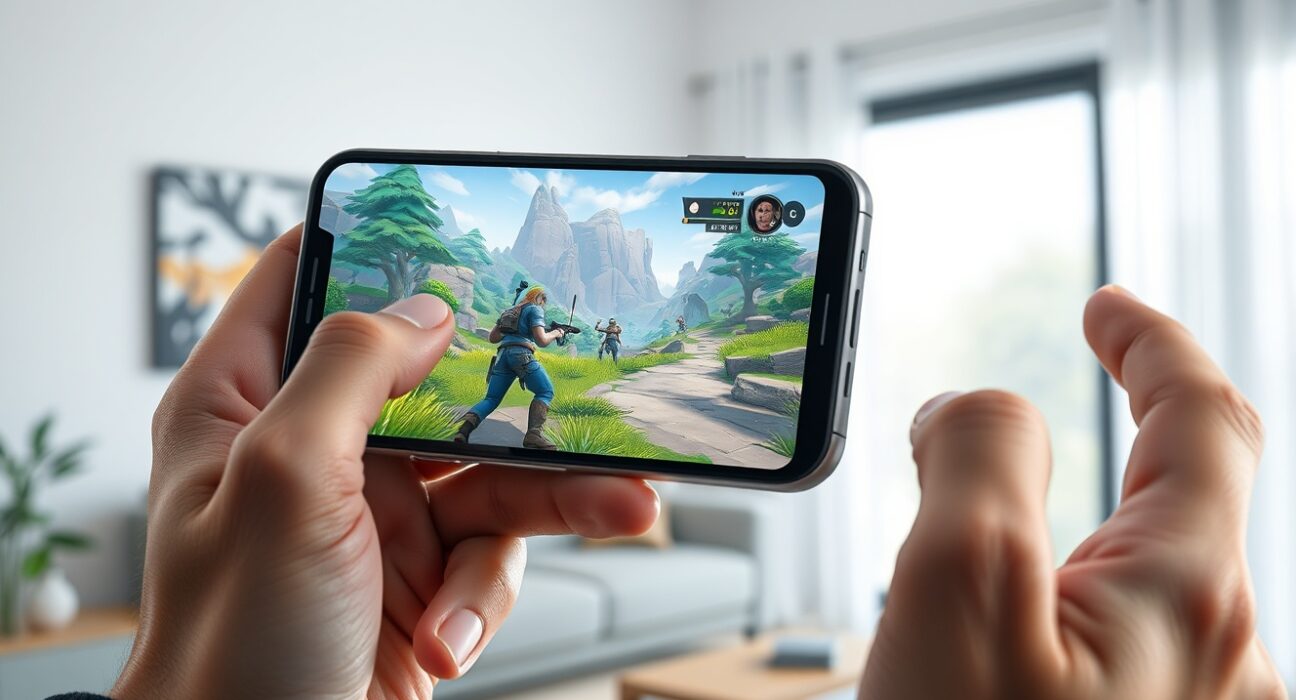
The metaverse landscape shifts significantly as The Sandbox begins a crucial stress test for its highly anticipated mobile game, ‘The Sandbox NEXT,’ marking a pivotal expansion for the platform’s ecosystem. This strategic move, reported by Foresight News, transitions the 20-player survival battle title from Unity to Unreal Engine, promising console-quality graphics on mobile devices while integrating existing NFT assets via a novel Layer 2 solution.
The Sandbox NEXT Mobile Game Stress Test Details
Developers at The Sandbox initiated the stress test to evaluate server stability, network performance, and gameplay mechanics under load. Consequently, this phase is critical for identifying technical bottlenecks before a wider public release. The game represents a major technical leap, having migrated its entire codebase to Unreal Engine 5. This engine switch fundamentally aims to deliver high-end graphical fidelity previously reserved for PC and console titles. Moreover, players can seamlessly utilize their existing digital identities. They can import characters and non-fungible token assets directly from the PC version into the mobile environment, preserving user investment and cross-platform continuity.
Technical Architecture and the SANDchain Advantage
The mobile iteration leverages SANDchain, a dedicated zkSync-based Layer 2 network. This infrastructure choice directly addresses perennial blockchain gaming challenges: high transaction costs and slow confirmation times. By processing transactions off the main Ethereum chain, SANDchain enables players to trade in-game items with minimal gas fees. This architecture ensures a smoother, more economical user experience, which is essential for frequent micro-transactions in a survival battle game. Furthermore, the use of zero-knowledge rollups provides robust security guarantees while significantly enhancing scalability.
Industry Context and Competitive Positioning
The push into mobile gaming aligns with broader industry trends where accessibility drives user adoption. Major analysts, including those from DappRadar, consistently report that mobile platforms capture the largest share of new gaming entrants. The Sandbox’s strategy, therefore, targets a massive, underserved audience seeking premium metaverse experiences on handheld devices. This move also responds to competitive pressure from other metaverse projects and traditional gaming companies exploring web3 integration. The stress test data will provide invaluable metrics on user engagement, network latency, and asset transfer efficiency in a real-world scenario.
Implications for the Creator Economy and Digital Ownership
This expansion reinforces the platform’s commitment to its creator economy. Artists and developers who have built assets within The Sandbox ecosystem now gain access to a substantially larger mobile player base. The interoperable asset model demonstrates a practical use case for true digital ownership, where user-acquired items maintain utility across different client applications. Additionally, the low-fee trading environment on SANDchain could stimulate a more vibrant secondary market for digital land, wearables, and gameplay items. This economic activity is a key indicator of a healthy, sustainable metaverse platform.
Future Roadmap and Ecosystem Growth
The successful deployment of The Sandbox NEXT on mobile sets a precedent for future platform developments. It validates the technical feasibility of running complex, asset-intensive metaverse experiences on consumer hardware. Following the stress test, the team will analyze performance data, user feedback, and bug reports to optimize the final build. A full public launch will likely follow, potentially incorporating features like augmented reality (AR) modes or deeper social integrations. The long-term vision suggests a fully interconnected metaverse where experiences flow seamlessly between desktop, mobile, and eventually virtual reality interfaces.
Conclusion
The stress test for The Sandbox NEXT mobile game is a definitive step toward mainstream metaverse adoption. By combining Unreal Engine’s graphical prowess with the economic efficiency of the SANDchain Layer 2 network, The Sandbox addresses two critical barriers: visual quality and transaction cost. This development not only enhances the platform’s existing offering but also strategically positions it to capture the next wave of mobile-native users entering the web3 space. The success of this mobile integration will be a significant bellwether for the broader blockchain gaming and metaverse sector in 2025.
FAQs
Q1: What is The Sandbox NEXT?
The Sandbox NEXT is a new 20-player survival battle game from The Sandbox metaverse platform, built with Unreal Engine and designed for mobile devices, allowing cross-platform use of NFT assets.
Q2: What is the purpose of the current stress test?
The stress test evaluates server stability, network performance, and gameplay under simulated user load to identify and fix technical issues before a public release.
Q3: How does SANDchain benefit players?
SANDchain is a zkSync-based Layer 2 network that drastically reduces gas fees for trading in-game NFT items, making transactions faster and more affordable for mobile users.
Q4: Can I use my PC-based Sandbox assets in the mobile game?
Yes. The Sandbox NEXT supports full interoperability, allowing players to use their existing characters and NFT assets from the PC version within the mobile game.
Q5: Why did The Sandbox switch from Unity to Unreal Engine for this game?
The switch to Unreal Engine was made specifically to deliver significantly higher graphical fidelity and visual effects, aiming for a console-quality experience on capable mobile devices.
Disclaimer: The information provided is not trading advice, Bitcoinworld.co.in holds no liability for any investments made based on the information provided on this page. We strongly recommend independent research and/or consultation with a qualified professional before making any investment decisions.
