

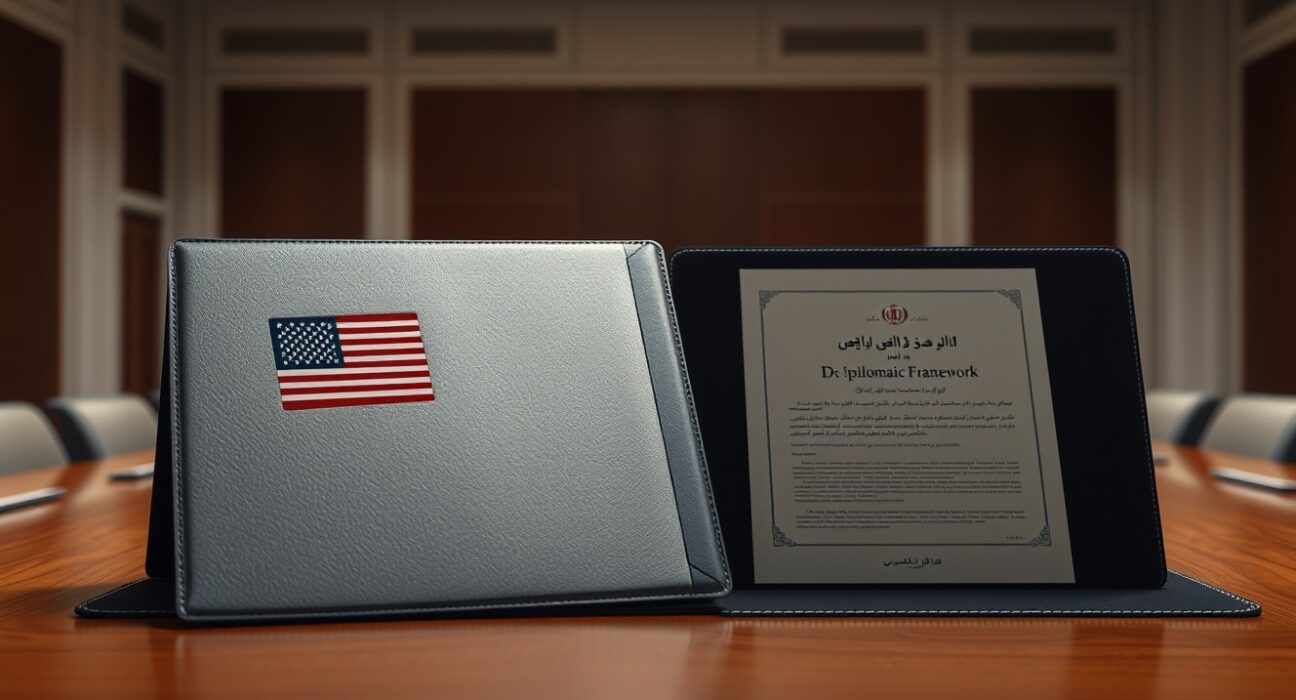
WASHINGTON/DUBAI, March 2025 – Reuters has exclusively obtained a comprehensive diplomatic framework aimed at ending decades of hostility between the United States and Iran, according to multiple diplomatic sources familiar with the negotiations. This groundbreaking two-tier proposal represents the most significant diplomatic initiative between the two nations since the 2015 Joint Comprehensive Plan of Action (JCPOA). The plan arrives amid shifting regional dynamics and could fundamentally reshape Middle Eastern geopolitics.
Anatomy of the Two-Tier US-Iran Diplomatic Framework
The proposed framework, developed through backchannel negotiations involving European and regional mediators, employs a novel two-tier structure designed to address both immediate security concerns and long-term normalization. Diplomatic sources describe the first tier as focusing on verifiable security guarantees and confidence-building measures. Meanwhile, the second tier outlines a phased roadmap for comprehensive diplomatic and economic normalization.
This structured approach aims to overcome historical impasses by separating contentious issues into manageable phases. Consequently, negotiators can achieve incremental progress without requiring immediate resolution of all disagreements. The framework reportedly addresses several critical areas simultaneously.
Key Components of the Proposed Agreement
The diplomatic documents outline specific reciprocal measures across multiple domains. For instance, the security tier includes provisions for enhanced monitoring and verification mechanisms. Additionally, it establishes communication channels to prevent military miscalculations. The economic tier proposes gradual sanctions relief tied to verifiable compliance with nuclear non-proliferation commitments.
Security Provisions Include:
- Mutual non-aggression understandings in Persian Gulf waterways
- Establishment of direct military-to-military communication links
- Regional security working groups involving neighboring states
Economic Elements Feature:
- Phased sanctions relief tied to verification milestones
- Energy cooperation frameworks for oil and gas development
- Financial channel mechanisms for humanitarian trade
Historical Context of US-Iran Relations
The current diplomatic initiative emerges against a complex historical backdrop spanning over four decades. Relations between Washington and Tehran have remained largely adversarial since the 1979 Iranian Revolution and subsequent hostage crisis. However, several significant diplomatic efforts have punctuated this period of hostility. The 2015 nuclear agreement, known formally as the JCPOA, represented a major breakthrough before its subsequent unraveling.
Regional proxy conflicts have further complicated bilateral relations in recent years. Iranian support for various militant groups across the Middle East has frequently clashed with American security interests. Simultaneously, American sanctions have significantly impacted Iran’s economy and civilian population. This new proposal attempts to address these interconnected challenges through a comprehensive rather than piecemeal approach.
Expert Analysis of the Diplomatic Strategy
Former State Department negotiator Dr. Evelyn Carter, now with the Carnegie Endowment for International Peace, notes the framework’s innovative structure. “The two-tier approach represents sophisticated diplomatic engineering,” Carter explains. “It creates off-ramps from escalation while building pathways toward normalization. This acknowledges that trust must be rebuilt gradually through verifiable actions rather than sweeping declarations.”
Regional analysts highlight the proposal’s timing as particularly significant. Middle East security dynamics have evolved substantially since 2020. Normalization agreements between Israel and several Arab states have altered regional calculations. Meanwhile, global energy market shifts and great power competition have created new incentives for diplomatic resolution.
Potential Regional Impacts and Global Implications
A successful US-Iran diplomatic breakthrough would reverberate across multiple dimensions of international relations. Regionally, it could reduce tensions in several conflict zones where American and Iranian interests currently clash. The Persian Gulf shipping lanes might experience enhanced security and stability. Additionally, regional arms races could potentially de-escalate with reduced threat perceptions.
Globally, the implications extend to energy markets, non-proliferation regimes, and great power competition. European energy security would benefit from more predictable Middle Eastern dynamics. The international nuclear non-proliferation framework would gain strengthened verification precedents. Furthermore, Chinese and Russian regional influence might face rebalancing with renewed American diplomatic engagement.
| Agreement | Year | Primary Focus | Outcome |
|---|---|---|---|
| Algiers Accords | 1981 | Hostage Crisis Resolution | Immediate success, limited long-term impact |
| JCPOA | 2015 | Nuclear Program Limitations | Initially successful, later abandoned |
| Two-Tier Framework | 2025 | Comprehensive Normalization | Proposed, under consideration |
Verification and Implementation Challenges
The proposed framework’s success hinges on robust verification mechanisms acceptable to both parties. Historical precedents suggest monitoring and compliance will prove particularly challenging. The International Atomic Energy Agency (IAEA) would likely play a central role in nuclear verification. However, additional mechanisms would be necessary for non-nuclear provisions.
Implementation would require sustained political commitment amid potential domestic opposition in both capitals. American congressional approval processes present significant hurdles. Similarly, Iranian conservative factions might resist normalization measures. Consequently, the framework includes confidence-building measures designed to create momentum before addressing more contentious issues.
Economic Dimensions and Sanctions Relief Mechanisms
The economic component of the proposal employs a calibrated, reversible approach to sanctions relief. This structure aims to create incentives for compliance while maintaining leverage. Initial phases would focus on humanitarian trade and civilian sectors. Later stages would address energy and financial restrictions based on verified progress.
European banking channels could facilitate initial transactions, building on existing humanitarian trade mechanisms. The proposal reportedly references the Instrument in Support of Trade Exchanges (INSTEX) as a potential model. However, it envisions more comprehensive financial pathways as trust develops through successful implementation of early phases.
Regional Stakeholder Reactions and Consultations
Neighboring states have received preliminary briefings about the diplomatic framework, according to diplomatic sources. Gulf Cooperation Council members have expressed cautious interest while emphasizing the need for inclusive regional security arrangements. Israeli officials have reportedly raised concerns about potential implications for their security posture.
European mediators have played crucial roles in facilitating discussions and refining proposal details. The European Union’s High Representative for Foreign Affairs has coordinated with member states to ensure alignment with broader non-proliferation objectives. This multilateral dimension strengthens the proposal’s legitimacy and implementation prospects.
Conclusion
The emerging US-Iran peace plan represents a potentially transformative diplomatic initiative with far-reaching implications. Its innovative two-tier structure addresses both immediate security concerns and long-term normalization objectives. While significant implementation challenges remain, the framework provides a substantive basis for serious negotiations. Successful diplomacy could reduce regional tensions, enhance global non-proliferation efforts, and create new economic opportunities. As both governments review the proposal, the international community watches closely for signs of diplomatic breakthrough after decades of hostility.
FAQs
Q1: What is the two-tier structure of the proposed US-Iran agreement?
The framework separates negotiations into two interconnected tiers: Tier One focuses on immediate security measures and confidence-building, while Tier Two outlines a phased roadmap for comprehensive diplomatic and economic normalization between the nations.
Q2: How does this proposal differ from the 2015 nuclear deal?
Unlike the JCPOA’s singular focus on nuclear limitations, this framework addresses multiple dimensions simultaneously including regional security, economic relations, and diplomatic normalization through a more comprehensive and structured approach.
Q3: What verification mechanisms are proposed in the diplomatic plan?
The framework reportedly incorporates enhanced International Atomic Energy Agency monitoring for nuclear provisions, plus additional verification mechanisms for non-nuclear elements, potentially involving third-party observers and technological monitoring solutions.
Q4: How would sanctions relief work under this proposal?
Sanctions relief would proceed in calibrated, reversible phases tied to verified compliance milestones, beginning with humanitarian and civilian sectors before addressing energy and financial restrictions in later implementation stages.
Q5: What are the main obstacles to implementing this US-Iran peace plan?
Key challenges include domestic political opposition in both countries, verification and compliance disagreements, regional stakeholder concerns, and the historical lack of trust that has undermined previous diplomatic initiatives between the nations.
Disclaimer: The information provided is not trading advice, Bitcoinworld.co.in holds no liability for any investments made based on the information provided on this page. We strongly recommend independent research and/or consultation with a qualified professional before making any investment decisions.
