

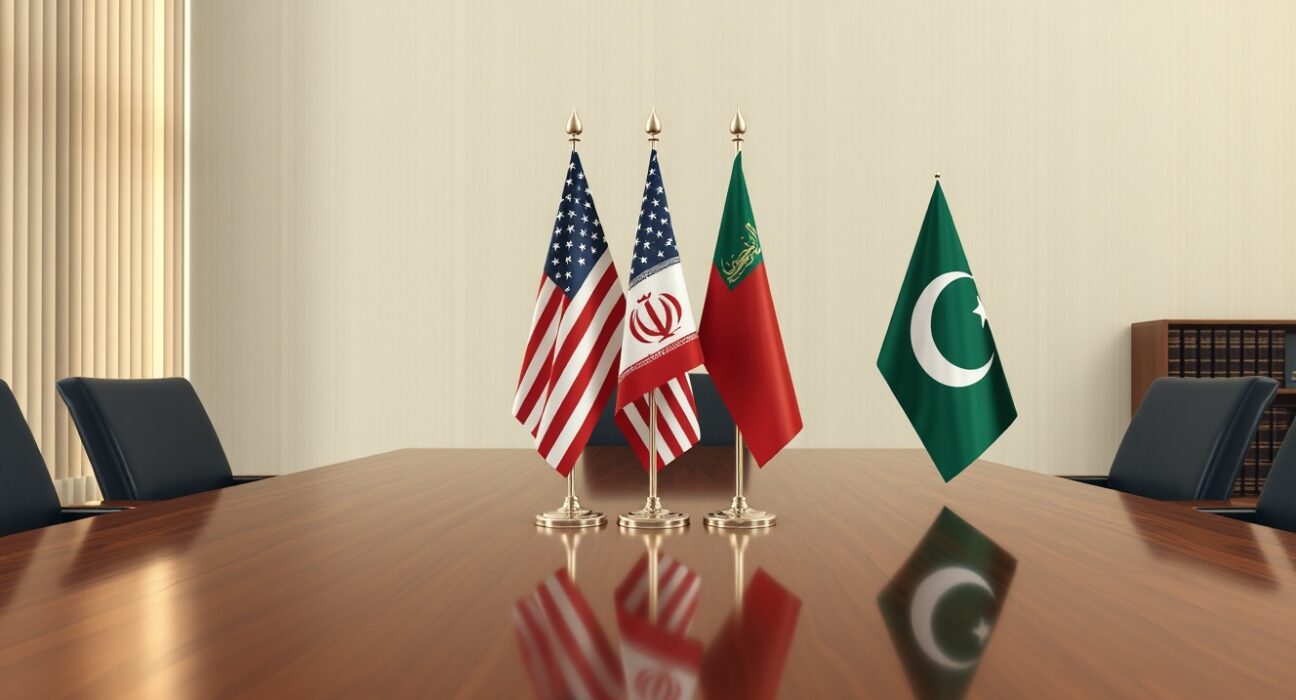
TEHRAN, Iran – March 2025: In a significant development that could reshape Middle Eastern geopolitics, Iranian officials have formally acknowledged receiving a ceasefire proposal from the United States, with Pakistan acting as the crucial diplomatic intermediary. This pivotal admission, first reported by Reuters, signals a potential thaw in long-standing hostilities and opens a new chapter in international conflict resolution efforts. The revelation underscores Pakistan’s evolving role as a regional peace broker and highlights the complex, multi-layered diplomacy required to address one of the world’s most persistent security challenges.
Iran US Ceasefire Proposal: The Diplomatic Pathway
The confirmation from Tehran represents more than a simple receipt of documents. It marks a deliberate, structured diplomatic process. Historically, communication between Washington and Tehran has flowed through Swiss channels or occurred indirectly in multilateral forums like Vienna. Consequently, Pakistan’s involvement introduces a fresh, regional actor into this high-stakes dialogue. Analysts point to Pakistan’s unique geopolitical position—maintaining workable relations with both Western powers and Iran—as the key factor enabling this mediation.
Furthermore, the proposal’s arrival through Islamabad suggests prior, unpublicized groundwork. Diplomatic sources indicate that backchannel discussions likely prepared both parties for this formal step. The proposal itself, while contents remain confidential, is believed to address core issues including:
- Regional De-escalation: Mechanisms to reduce military posturing in the Persian Gulf.
- Nuclear Program Safeguards: Pathways to return to compliance with the JCPOA framework.
- Sanctions Relief: Phased economic incentives tied to verifiable actions.
This development follows a period of heightened regional tension, making the timing particularly noteworthy. The acknowledgment itself is a confidence-building measure, demonstrating a willingness to publicly engage with the process.
Pakistan’s Crucial Role as Intermediary
Pakistan’s emergence as the conduit for this proposal is a strategic masterstroke with deep historical roots. The country shares a long, porous border with Iran and maintains a complex but enduring relationship with the United States. This positioning grants Islamabad a degree of credibility that few other nations possess. Pakistani diplomats have historically played quiet roles in facilitating dialogue, but this public acknowledgment elevates their involvement to a new level.
Experts suggest several reasons for Pakistan’s suitability. Firstly, its government has recently pursued a policy of “balanced diplomacy,” seeking to avoid alignment with any single power bloc. Secondly, Pakistan faces significant domestic economic challenges, and successful mediation could enhance its international standing and attract foreign investment. Thirdly, regional stability directly benefits Pakistan by securing its western border and ensuring safer trade routes.
| Period | Primary Channel | Context/Outcome |
|---|---|---|
| 2013-2015 | Oman (Secret Talks) | Led to the JCPOA nuclear agreement. |
| 2018-2021 | Switzerland / EU (E3) | Attempts to salvage JCPOA after US withdrawal. |
| 2022-2024 | Multilateral (Vienna) | Indirect talks with EU coordination. |
| 2025 | Pakistan | Ceasefire proposal delivery and acknowledgment. |
The table above illustrates the shifting landscape of diplomacy. Pakistan’s entry signifies a move towards more regionally-embedded mediation, potentially offering greater sustainability than distant European-hosted talks.
Expert Analysis on the Strategic Implications
Regional security analysts emphasize the profound implications of this development. “The mere acknowledgment is a de-escalatory signal,” notes Dr. Anahita Sharma, a senior fellow at the Institute for Middle East Studies. “It moves the conflict from the military domain back into the diplomatic arena, which is a prerequisite for any lasting solution. Pakistan’s role is particularly interesting because it is not a traditional Western ally in the region, which may lend the process greater legitimacy in Tehran.”
Conversely, the proposal faces substantial hurdles. Domestic politics in both the US and Iran constrain leaders’ flexibility. Hardliners in Tehran may view any dialogue as capitulation, while factions in Washington could oppose concessions. Additionally, the interests of regional actors like Israel and Saudi Arabia, who are not direct parties to this channel, will inevitably influence the proposal’s trajectory. The coming weeks will focus on Iran’s formal response, which will indicate whether this is a procedural step or the prelude to genuine negotiation.
Regional and Global Impact of the Proposal
The potential ripple effects of a US-Iran ceasefire are monumental. For the Middle East, it could significantly reduce the risk of a broader regional war. It might also reconfigure alliances, as regional powers adjust to a new diplomatic reality. Globally, energy markets would likely stabilize with reduced threat to oil shipping lanes in the Strait of Hormuz. Furthermore, a successful diplomatic track could free up international resources currently dedicated to monitoring and containing the conflict.
However, the path forward remains fraught. Verification of any ceasefire terms would require unprecedented access and cooperation. The shadow war involving proxy groups across the region would be exceptionally difficult to halt completely. Moreover, the core dispute—encompassing Iran’s regional ambitions and its nuclear program—requires a comprehensive settlement, not just a cessation of hostilities. This proposal, therefore, is best understood as a potential first step in a long and arduous process, not a final solution.
Conclusion
The acknowledgment of the Iran US ceasefire proposal delivered via Pakistan is a landmark event in international diplomacy. It demonstrates that despite profound differences, channels of communication remain open and third-party mediation can still play a vital role. While the proposal’s contents and Iran’s subsequent response will determine its ultimate significance, this moment offers a fragile but tangible opportunity to pivot from confrontation to dialogue. The international community will now watch closely to see if this diplomatic opening can be transformed into a sustainable process for peace and stability in the Middle East.
FAQs
Q1: What is the significance of Iran acknowledging the ceasefire proposal?
The public acknowledgment is a major diplomatic signal. It moves the issue from covert channels into the open, demonstrating a baseline willingness to engage with the US proposal and validating Pakistan’s role as a mediator. It creates a public record of the offer, increasing political pressure for a formal response.
Q2: Why did the United States choose Pakistan as the intermediary?
Pakistan maintains diplomatic relations with both nations and is seen as a relatively neutral party in the specific context of US-Iran tensions. Its geographic proximity to Iran and historical role in regional affairs provide it with unique access and credibility that global powers or distant European nations lack.
Q3: What are the likely main points of the US ceasefire proposal?
While not officially disclosed, experts speculate it includes terms for mutual de-escalation of military activities, a framework for returning to negotiations on the nuclear deal (JCPOA), and phased sanctions relief in exchange for verifiable actions by Iran on its nuclear program and support for regional proxy groups.
Q4: How have other countries in the Middle East reacted to this news?
Reactions are mixed and largely unstated publicly. Gulf Arab states likely welcome any reduction in immediate conflict risk but are wary of a US-Iran understanding that excludes their security concerns. Israel has consistently opposed any US diplomacy it perceives as legitimizing Iran without fully dismantling its nuclear and military capabilities.
Q5: What happens next in this diplomatic process?
The next critical step is Iran’s formal response to the proposal. Tehran could reject it, accept it as a basis for talks, or present a counter-proposal. The response will be shaped by internal political debates within Iran’s leadership. Simultaneously, the US will be gauging reactions from its regional allies and Congress.
Disclaimer: The information provided is not trading advice, Bitcoinworld.co.in holds no liability for any investments made based on the information provided on this page. We strongly recommend independent research and/or consultation with a qualified professional before making any investment decisions.
