

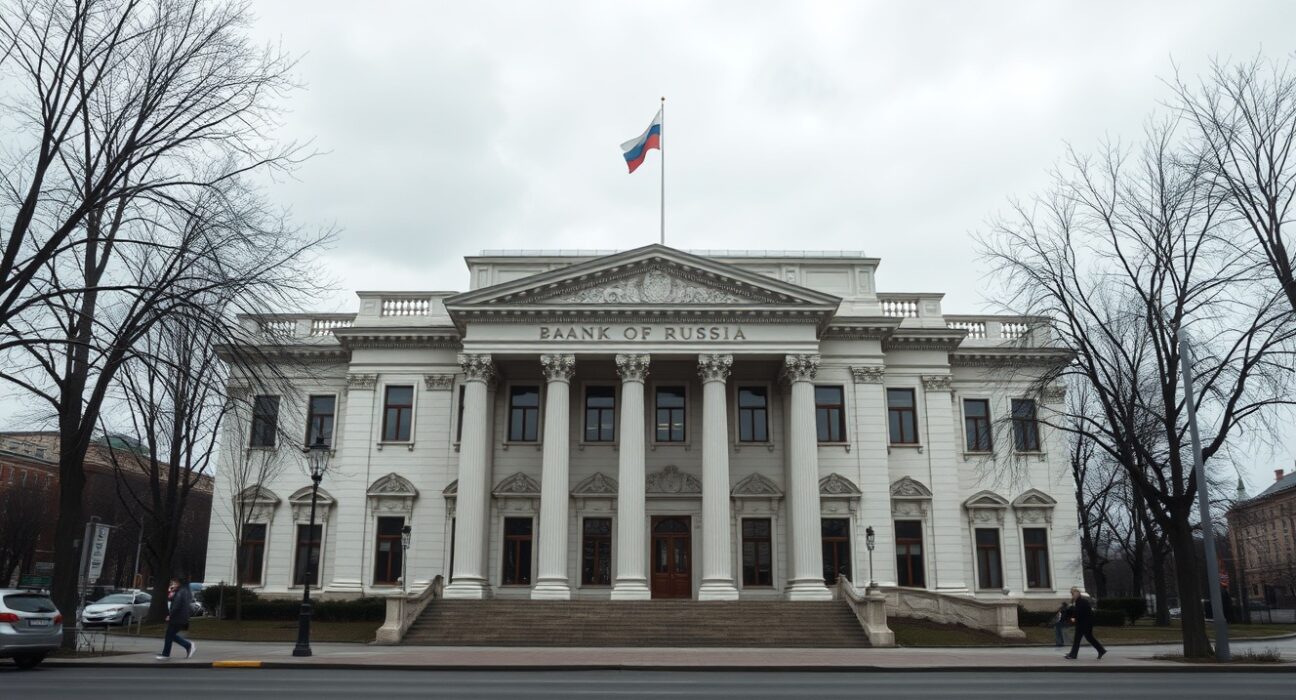
Russia’s central bank reserves stood at $720.3 billion as of the latest reporting period, down from $732.1 billion previously, reflecting ongoing economic pressures and policy adjustments amid sustained sanctions and fiscal challenges.
What Drives the Decline in Russia’s Reserves?
The decrease of approximately $11.8 billion in Russia’s international reserves can be attributed to a combination of currency revaluation, gold price fluctuations, and central bank interventions to support the ruble. The Bank of Russia regularly updates its reserve figures, which include foreign exchange, gold, Special Drawing Rights (SDRs), and other reserve assets. This decline follows a period of relative stability, but recent global market volatility and the impact of Western sanctions have added strain.
How Do Sanctions Affect Russia’s Reserve Holdings?
Sanctions imposed by the United States, the European Union, and other allies have limited Russia’s access to a portion of its foreign exchange reserves, particularly those held in Western jurisdictions. This has forced the central bank to rely more on domestic gold reserves and yuan-denominated assets. The composition of Russia’s reserves has shifted accordingly, with gold making up a larger share. Analysts note that while the level remains high, the usability of these reserves is constrained by geopolitical restrictions.
Why This Matters for the Russian Economy
The reserve level is a key indicator of a country’s ability to weather external shocks and maintain currency stability. For Russia, the decline, though modest, signals ongoing fiscal strain as the government ramps up spending on defense and infrastructure. The central bank’s ability to intervene in the foreign exchange market is crucial to preventing excessive ruble volatility, which directly affects inflation and the purchasing power of Russian citizens.
What Are the Implications for Global Markets?
Changes in Russia’s reserves can have ripple effects on global commodity prices, particularly oil and gas, and on the ruble’s exchange rate. A lower reserve buffer may increase market sensitivity to geopolitical events. However, Russia’s central bank has historically maintained a cautious approach, and the current level still provides a substantial cushion compared to many emerging economies. The decline is unlikely to trigger immediate policy shifts, but it adds to the narrative of a Russian economy under pressure.
Conclusion
Russia’s central bank reserves fell to $720.3 billion from $732.1 billion, reflecting a combination of currency movements, gold price changes, and ongoing sanctions. While the level remains significant, the decline underscores the persistent economic challenges facing the country. The central bank’s management of these reserves will be critical in the coming months as Russia navigates a complex geopolitical and fiscal landscape.
FAQs
Q1: What are Russia’s central bank reserves?
Russia’s central bank reserves are international assets held by the Bank of Russia, including foreign currencies, gold, SDRs, and other reserve assets. They serve as a buffer to support the ruble and meet external obligations.
Q2: Why did the reserves decline?
The decline from $732.1B to $720.3B is attributed to currency revaluation, fluctuations in gold prices, and central bank interventions in the foreign exchange market to manage the ruble’s exchange rate.
Q3: How do sanctions impact Russia’s reserves?
Sanctions have frozen a portion of Russia’s foreign exchange reserves held in Western jurisdictions, limiting their usability. The central bank has shifted more of its holdings to gold and non-Western currencies like the yuan.
Disclaimer: The information provided is not trading advice, Bitcoinworld.co.in holds no liability for any investments made based on the information provided on this page. We strongly recommend independent research and/or consultation with a qualified professional before making any investment decisions.
