

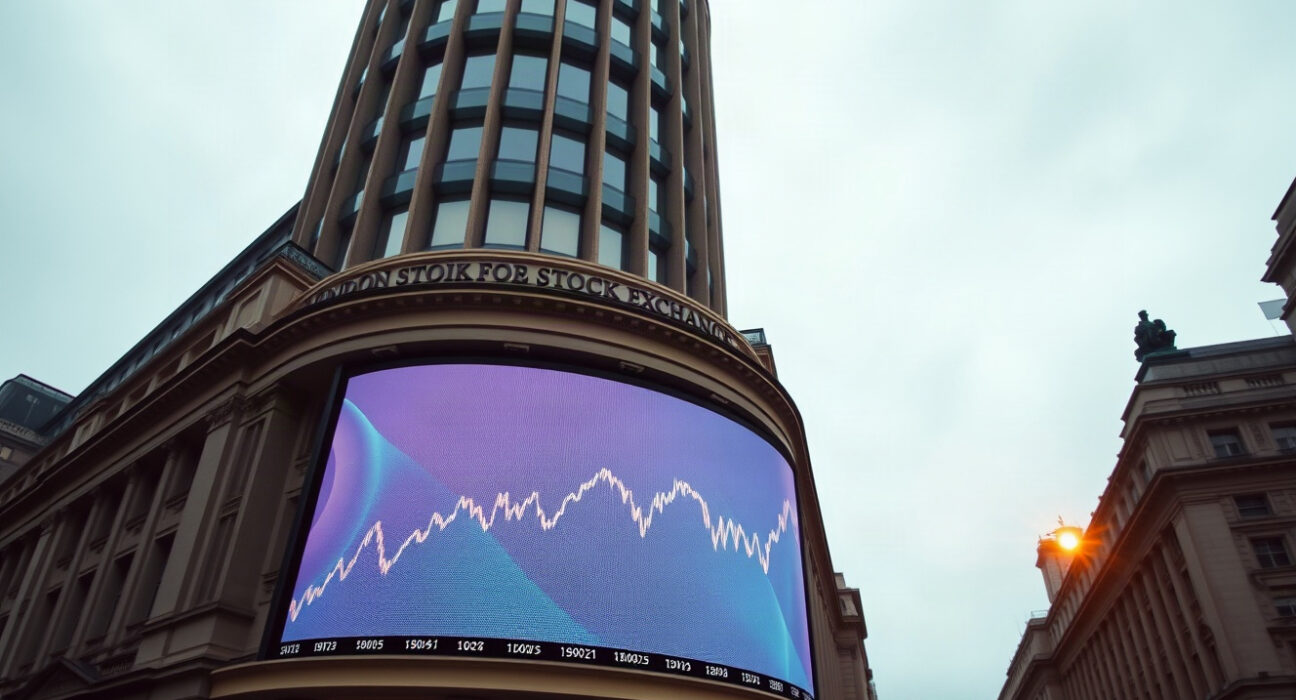
The FTSE 100 index remains within sight of the 11,000-point milestone, holding steady as of this week’s trading sessions, supported by renewed expectations of interest rate cuts from the Bank of England and a resilient batch of corporate earnings from blue-chip companies.
What’s Driving the FTSE 100’s Resilience?
Investors have been closely watching the FTSE 100’s approach to the 11,000 level, a psychological barrier that has not been breached in recent trading. The index’s strength is largely attributed to two factors: a growing consensus that the Bank of England may begin easing monetary policy later this year, and robust earnings reports from several heavyweight constituents, particularly in the energy and financial sectors.
As of the latest close, the FTSE 100 was trading around 10,950, with analysts noting that a sustained break above 11,000 would require continued positive momentum in global risk sentiment and clearer signals from central banks. The index has benefited from a weaker pound, which boosts the value of multinational companies’ overseas earnings when converted back to sterling.
Rate Cut Expectations and Global Market Context
Market pricing currently implies a roughly 70% chance of a quarter-point rate cut by the Bank of England in June, according to futures data. This follows softer-than-expected UK inflation figures released in April, which showed consumer price growth easing to 2.1% year-on-year, down from 3.2% in March. Lower borrowing costs typically support equity valuations, particularly for interest-rate-sensitive sectors like real estate and consumer discretionary.
However, the FTSE 100’s performance is also tied to global developments. In the United States, the Federal Reserve has signaled a patient approach to rate cuts, while geopolitical tensions in the Middle East and ongoing trade disputes between major economies continue to inject volatility into markets. The index’s heavy weighting in energy and mining stocks has provided a buffer, as commodity prices remain elevated.
Why the 11,000 Level Matters
The 11,000 mark is more than just a number; it represents a psychological threshold that could attract additional buying interest from momentum traders and institutional investors. A decisive close above this level would signal confidence in the UK’s economic outlook and could trigger a wave of short-covering. Conversely, failure to break through may lead to profit-taking, as some investors lock in gains from the recent rally.
For everyday investors, the FTSE 100’s performance is a barometer of UK economic health and global risk appetite. A sustained move above 11,000 could boost pension fund values and individual investment portfolios, but it also raises concerns about overvaluation in certain sectors.
Conclusion
The FTSE 100’s proximity to 11,000 underscores a delicate balance between optimism over monetary easing and caution over global headwinds. While the index has shown remarkable resilience, sustained progress will depend on forthcoming economic data, central bank communications, and corporate earnings updates. Investors should remain alert to the possibility of volatility as the index tests this critical level.
FAQs
Q1: What is the FTSE 100?
The FTSE 100 is a stock market index comprising the 100 largest companies listed on the London Stock Exchange by market capitalization. It is often used as a barometer for the overall health of the UK stock market.
Q2: Why is the 11,000 level significant for the FTSE 100?
The 11,000 level is a psychological milestone. Breaking above it can attract additional investor interest and signal confidence in the market, while failure to do so may lead to consolidation or profit-taking.
Q3: How do interest rate expectations affect the FTSE 100?
Expectations of lower interest rates can boost stock prices by reducing borrowing costs for companies and making equities more attractive relative to bonds. Conversely, expectations of higher rates can dampen market sentiment.
Disclaimer: The information provided is not trading advice, Bitcoinworld.co.in holds no liability for any investments made based on the information provided on this page. We strongly recommend independent research and/or consultation with a qualified professional before making any investment decisions.
