

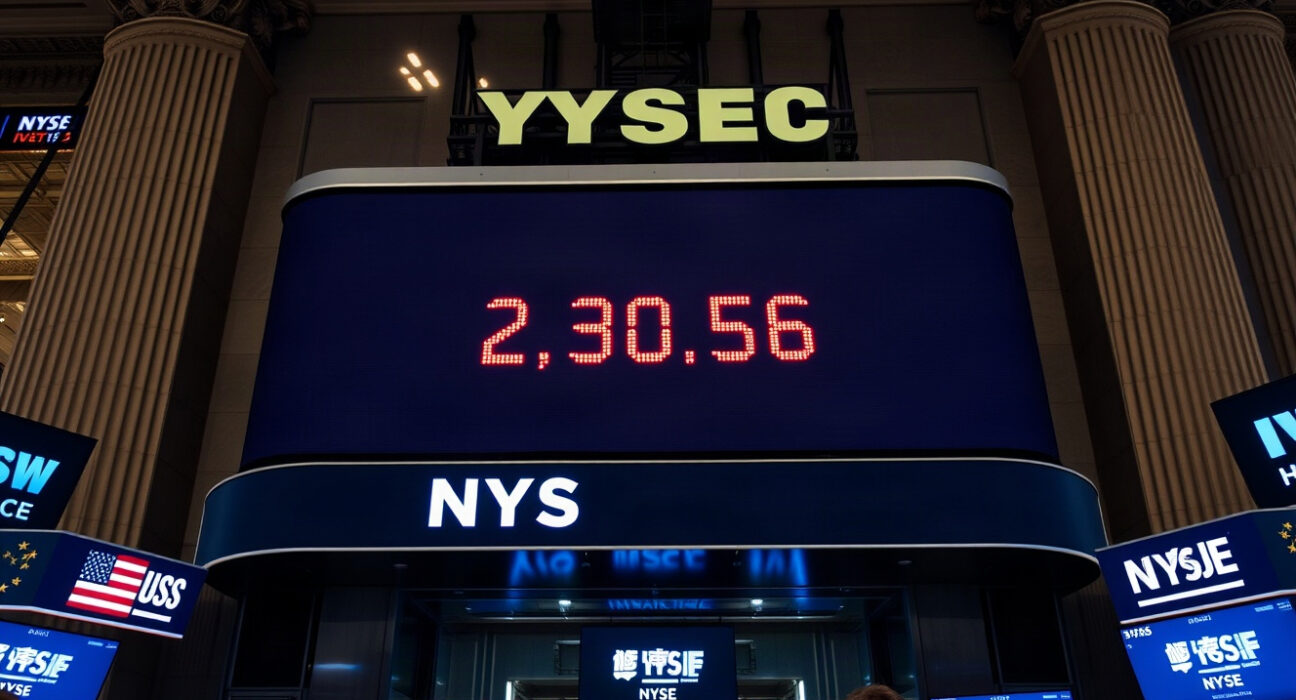
The Dow Jones Industrial Average traded higher on Thursday, largely ignoring the latest revision to U.S. inflation data that showed consumer prices rose slightly more than initially reported in the first quarter. The revision, part of the Bureau of Labor Statistics’ annual benchmark update, added a few basis points to the core Consumer Price Index (CPI) for the first three months of 2026, yet the blue-chip index remained resilient, driven by strong corporate earnings and a dip in Treasury yields.
What the Inflation Revision Means for Markets
The revised data, released at 8:30 a.m. ET, indicated that core CPI for Q1 2026 was 0.1 percentage point higher than previously estimated. While such revisions are routine, they often influence the Federal Reserve’s policy outlook. However, market participants largely brushed off the adjustment, viewing it as a statistical recalibration rather than a signal of accelerating price pressures.
According to the CME FedWatch tool, futures pricing for a rate cut at the September meeting remained unchanged at 68% after the release, suggesting investors did not see the revision as a game-changer. “The market is looking through this noise,” said Tom Hainlin, national investment strategist at U.S. Bank Wealth Management. “The broader trend of disinflation is intact, and the revision doesn’t alter the trajectory.”
Dow’s Performance: Earnings Take Center Stage
The Dow’s resilience was largely attributed to better-than-expected earnings from several of its 30 components. UnitedHealth Group and Goldman Sachs both reported quarterly results that beat analyst estimates, providing a lift to the index. Additionally, a slight decline in the 10-year Treasury yield to 4.32% supported growth-oriented stocks, even as the inflation revision initially nudged yields higher.
At 11:00 a.m. EDT, the Dow was up 0.4% at 39,250.67, while the S&P 500 and Nasdaq Composite also posted modest gains. The relative calm in equities contrasted with a brief spike in the dollar index, which later retreated as traders digested the data.
Why This Matters for Investors
For everyday investors, the key takeaway is that not all inflation data moves markets equally. The revision, while notable, was within the range of normal quarterly adjustments and did not change the fundamental picture of easing price pressures. “This is a reminder to focus on the trend, not the noise,” Hainlin added. “The Fed’s preferred measure, the PCE index, remains well below its peak, and that’s what ultimately drives policy.”
Looking ahead, the next major test for the market will be the release of the June jobs report, scheduled for the first Friday of July. Economists expect nonfarm payrolls to have increased by 180,000, with the unemployment rate holding steady at 3.8%. A strong reading could reignite rate-hike fears, while a weak one might bolster the case for a cut.
Conclusion
In summary, the Dow Jones Industrial Average’s decision to ignore the inflation revision underscores the market’s current focus on earnings and the broader disinflationary trend. While revisions can occasionally trigger volatility, this one was too minor to alter the investment landscape. As always, investors should remain attuned to upcoming economic data, but today’s action suggests confidence in the market’s resilience.
FAQs
Q1: What is an inflation revision?
An inflation revision is a periodic adjustment made by the Bureau of Labor Statistics to previously released CPI data, often due to updated seasonal factors or new source data. These revisions can slightly change the reported inflation rates but are usually minor.
Q2: Why did the Dow ignore the revision?
The revision was small and did not alter the overall disinflationary trend. Strong corporate earnings and stable Treasury yields provided a stronger counterweight, keeping the index in positive territory.
Q3: How might this affect Federal Reserve policy?
The revision is unlikely to change the Fed’s near-term policy path. The central bank has emphasized that it needs more confidence in inflation returning to its 2% target before cutting rates, and this minor adjustment does not materially change that outlook.
Disclaimer: The information provided is not trading advice, Bitcoinworld.co.in holds no liability for any investments made based on the information provided on this page. We strongly recommend independent research and/or consultation with a qualified professional before making any investment decisions.
