

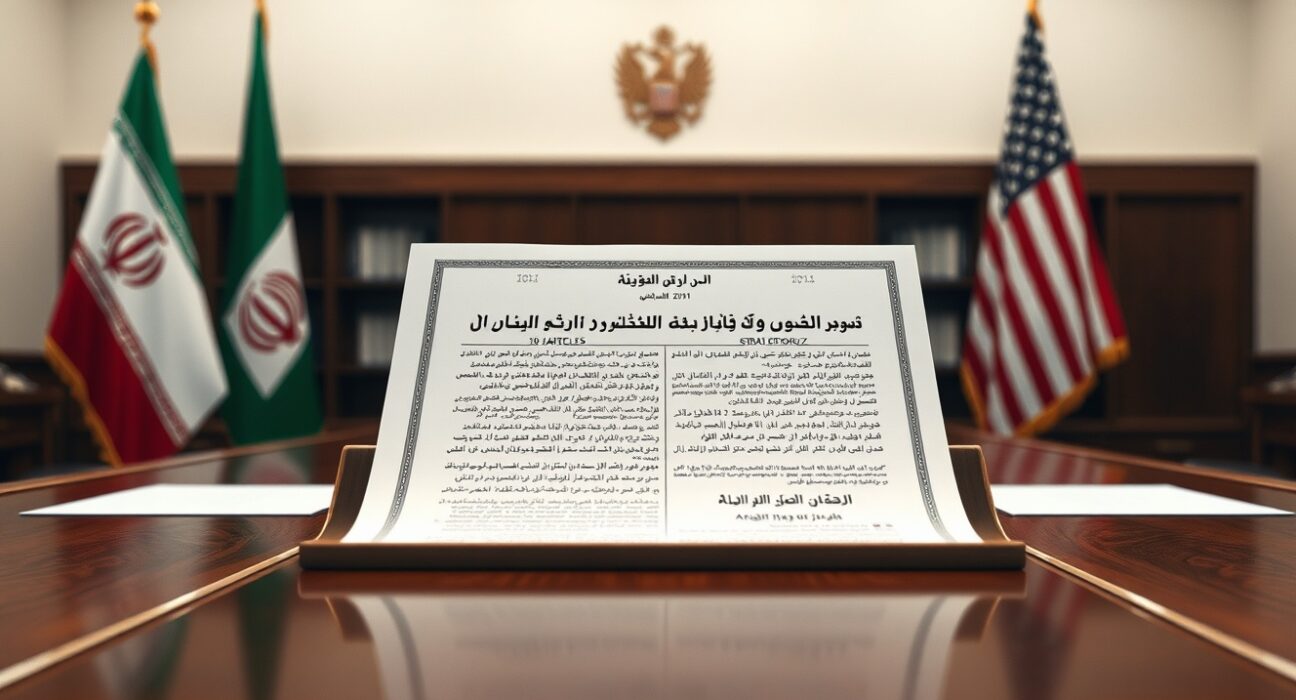
Iran has formally rejected a United States proposal to end ongoing regional conflicts, delivering its comprehensive response through diplomatic channels in Pakistan on March 15, 2025, according to official reports from Iran’s state-run Islamic Republic News Agency (IRNA). This significant diplomatic development reveals Tehran’s firm position through a detailed document containing 10 specific articles that outline Iran’s conditions for peace negotiations. The response reportedly includes demands for ending regional conflicts, establishing a protocol for safe passage through the strategically vital Strait of Hormuz, and lifting international sanctions against Iran. Consequently, this rejection marks a pivotal moment in Middle Eastern diplomacy and potentially reshapes regional security dynamics.
Iran Rejects US Proposal Through Diplomatic Channels
The Iranian government delivered its formal rejection to American diplomatic overtures via Pakistan’s Foreign Ministry, according to verified reports from IRNA. This diplomatic maneuver demonstrates Iran’s strategic approach to international relations. Pakistan serves as a crucial intermediary between Tehran and Washington, given its historical relationships with both nations. The response document, containing 10 clearly articulated articles, represents Iran’s most comprehensive position statement regarding regional conflicts in recent years. Furthermore, the timing of this rejection coincides with increased diplomatic activity across the Middle East.
International relations experts note that Iran’s decision to use Pakistan as an intermediary carries significant symbolic weight. Pakistan maintains diplomatic relations with both Iran and the United States, positioning it uniquely for such mediation efforts. The 10-article response reportedly addresses multiple dimensions of the regional conflict, including security arrangements, economic considerations, and geopolitical concerns. Additionally, the document emphasizes Iran’s sovereignty and regional interests while outlining specific conditions for potential negotiations.
Analysis of Iran’s 10-Article Response Document
The Iranian response document contains 10 specific articles that outline Tehran’s conditions for considering peace negotiations. According to diplomatic sources familiar with the document, these articles address several critical areas of concern for Iran’s national security and economic interests. The most prominent articles include:
- Article 1: Immediate cessation of all regional conflicts involving Iranian allies and proxies
- Article 2: Establishment of an international protocol guaranteeing safe commercial passage through the Strait of Hormuz
- Article 3: Comprehensive lifting of all international sanctions against Iran
- Article 4: Recognition of Iran’s regional security interests and sphere of influence
- Article 5: Guarantees regarding nuclear program development within international frameworks
These demands reflect Iran’s longstanding positions in international diplomacy. The Strait of Hormuz protocol represents a particularly significant element, given that approximately 20% of global oil shipments pass through this narrow waterway. Moreover, the sanctions relief demand addresses Iran’s pressing economic concerns amid ongoing financial restrictions. Regional analysts suggest that these articles collectively represent Iran’s minimum acceptable conditions for substantive peace negotiations.
Strategic Implications of the Strait of Hormuz Protocol
Iran’s demand for a formal protocol governing Strait of Hormuz navigation carries substantial geopolitical significance. This narrow waterway between the Persian Gulf and the Gulf of Oman represents one of the world’s most critical maritime chokepoints. Approximately 21 million barrels of oil pass through the strait daily, representing about one-fifth of global petroleum consumption. Consequently, any protocol affecting navigation through this strategic passage would have immediate implications for global energy markets and maritime security.
The proposed protocol reportedly includes provisions for joint security patrols, incident response mechanisms, and dispute resolution procedures. These measures aim to prevent accidental confrontations between Iranian and international naval forces. Additionally, the protocol would establish clear rules of engagement and communication channels between relevant military forces. Maritime security experts note that such a protocol could potentially reduce regional tensions while ensuring uninterrupted energy flows to global markets.
Regional Conflict Dynamics and Sanctions Framework
Iran’s rejection of the US proposal occurs within a complex regional conflict landscape involving multiple state and non-state actors. The ongoing conflicts span several Middle Eastern countries, including Yemen, Syria, and Iraq, where Iranian-backed groups maintain significant influence. Tehran’s demand for ending regional conflicts reflects its assessment that military confrontations have reached a stalemate unfavorable to all parties. Meanwhile, the sanctions relief demand addresses Iran’s deteriorating economic situation amid persistent international pressure.
| Article | Primary Focus | Potential Impact |
|---|---|---|
| 1 | Regional Conflict Cessation | Reduced proxy warfare |
| 2 | Strait of Hormuz Protocol | Maritime security framework |
| 3 | Sanctions Relief | Economic recovery potential |
| 4 | Security Recognition | Regional influence acknowledgment |
| 5 | Nuclear Program | Non-proliferation considerations |
The international sanctions regime against Iran has evolved significantly since its initial implementation. Current sanctions target Iran’s oil exports, banking sector, and military-industrial complex. These measures have substantially constrained Iran’s economic development and technological advancement. However, they have not achieved their stated objective of compelling fundamental policy changes in Tehran. Consequently, Iran’s demand for comprehensive sanctions relief represents a central element of its diplomatic strategy.
Expert Analysis of Diplomatic Implications
Regional diplomacy specialists emphasize that Iran’s detailed response indicates a willingness to engage in substantive negotiations despite the formal rejection. The 10-article document provides a clear framework for potential diplomatic discussions, moving beyond general statements to specific policy positions. Furthermore, the decision to deliver the response through Pakistan suggests Iran’s preference for multilateral diplomatic channels rather than direct bilateral engagement with the United States.
International relations scholars note that this development represents a continuation of established patterns in Iran-US relations. Historical precedents demonstrate that diplomatic breakthroughs often follow initial rejections and counterproposals. The specificity of Iran’s demands provides negotiators with concrete elements for potential compromise and agreement. Additionally, the inclusion of regional security considerations acknowledges the interconnected nature of Middle Eastern conflicts.
Conclusion
Iran’s rejection of the US proposal to end regional conflicts, delivered through diplomatic channels in Pakistan, represents a significant development in Middle Eastern diplomacy. The detailed 10-article response document outlines Tehran’s conditions for potential peace negotiations, including demands for sanctions relief and a Strait of Hormuz navigation protocol. This diplomatic maneuver demonstrates Iran’s strategic approach to international relations while maintaining its core national interests. Consequently, the international community must now assess how to respond to Iran’s clearly articulated positions as regional conflicts continue to evolve. The Iran US proposal rejection establishes a new baseline for future diplomatic engagements in this complex geopolitical landscape.
FAQs
Q1: What specific articles are included in Iran’s response to the US proposal?
Iran’s response contains 10 articles addressing multiple dimensions of regional conflict. Key elements include demands for ending regional conflicts, establishing a Strait of Hormuz navigation protocol, lifting international sanctions, recognizing Iran’s regional security interests, and addressing nuclear program concerns within international frameworks.
Q2: Why did Iran choose Pakistan to deliver its response to the United States?
Pakistan maintains diplomatic relations with both Iran and the United States, positioning it as a neutral intermediary. This choice reflects Iran’s preference for multilateral diplomatic channels and acknowledges Pakistan’s historical role in regional mediation efforts.
Q3: How significant is the Strait of Hormuz protocol demand in Iran’s response?
The Strait of Hormuz protocol represents a critically important element, given that approximately 20% of global oil shipments pass through this narrow waterway. The proposed protocol would establish security arrangements, incident response mechanisms, and communication channels to prevent accidental military confrontations.
Q4: What are the economic implications of Iran’s sanctions relief demand?
Comprehensive sanctions relief would potentially enable Iran’s economic recovery by restoring oil export revenues, accessing international financial systems, and acquiring advanced technologies. However, such relief would likely require significant concessions regarding Iran’s regional activities and nuclear program.
Q5: How might this development affect ongoing regional conflicts in the Middle East?
Iran’s rejection establishes clear parameters for future diplomatic engagements but does not immediately resolve existing conflicts. The specificity of Iran’s demands provides a potential framework for negotiations, though implementation would require reciprocal concessions from multiple regional and international actors.
Disclaimer: The information provided is not trading advice, Bitcoinworld.co.in holds no liability for any investments made based on the information provided on this page. We strongly recommend independent research and/or consultation with a qualified professional before making any investment decisions.
