

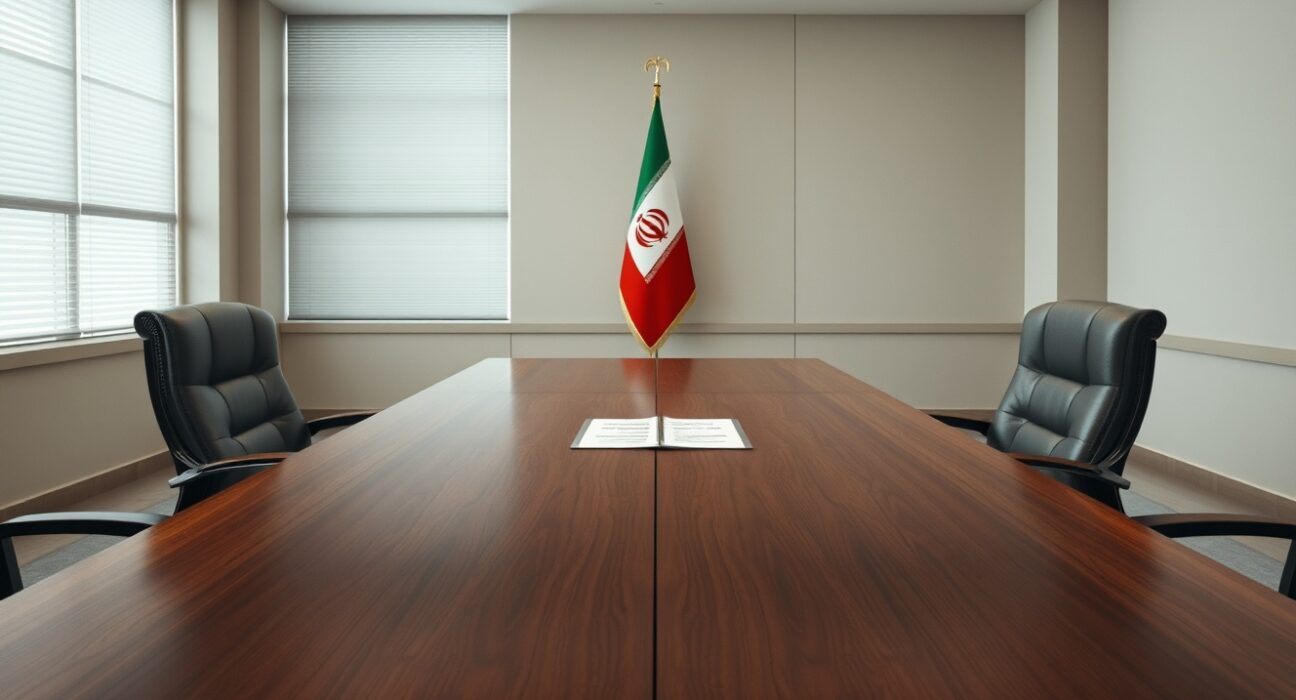
Tehran, Iran – March 2025. Iran has reportedly rejected a proposed temporary ceasefire agreement with the United States, according to a high-ranking Iranian diplomatic source. This development immediately escalates regional tensions and complicates ongoing diplomatic efforts across the Middle East. Consequently, analysts now predict a period of increased geopolitical uncertainty.
Iran Rejects U.S. Truce Proposal
The rejection centers on a temporary truce deal reportedly presented through indirect channels. Furthermore, the proposal aimed to de-escalate immediate military tensions. However, Iranian officials deemed the terms unacceptable. Specifically, they cited insufficient guarantees and unbalanced concessions. Therefore, the diplomatic impasse continues.
Historical context provides crucial background for this decision. For instance, U.S.-Iran relations have remained strained for decades. Key events include the 1979 revolution and the subsequent hostage crisis. Additionally, the collapse of the 2015 Joint Comprehensive Plan of Action (JCPOA) created deep distrust. More recently, regional proxy conflicts have fueled hostilities. As a result, any diplomatic breakthrough faces significant hurdles.
Immediate Regional Impacts and Reactions
The rejection carries immediate consequences for Middle Eastern stability. First, security analysts warn of potential increased military posturing. Second, global energy markets may experience volatility. Third, allied nations are reassessing their strategic positions.
A brief comparison of recent diplomatic efforts highlights the current stalemate:
| Year | Diplomatic Initiative | Primary Outcome |
|---|---|---|
| 2015 | JCPOA Nuclear Deal | Initial agreement, later collapsed |
| 2021 | Vienna Indirect Talks | Limited progress, no final deal |
| 2023 | Oman-Mediated Discussions | Prisoner exchange, tensions remained |
| 2025 (Reported) | Temporary Truce Proposal | Rejected by Iran |
Key regional players have already issued statements. For example, Gulf Cooperation Council (GCC) members expressed concern. Similarly, European diplomats called for continued dialogue. Meanwhile, the United States has not issued an official confirmation.
Expert Analysis on Diplomatic Deadlock
Regional security experts point to several structural issues. Primarily, they note a fundamental clash of strategic objectives. Iran seeks regional influence and sanction relief. Conversely, the U.S. aims to curb Iran’s nuclear and missile programs. Additionally, proxy networks in Yemen, Syria, and Lebanon complicate direct negotiations.
Dr. Leila Hassan, a senior fellow at the Middle East Institute, provides critical insight. “This rejection underscores a core problem,” she states. “Neither side currently perceives sufficient incentive for a temporary pause. Trust is virtually absent. Therefore, confidence-building measures must precede any substantive agreement.” Her analysis reflects a consensus among many regional scholars.
The economic dimension also plays a decisive role. International sanctions continue to pressure Iran’s economy. However, alternative trade partnerships have provided some relief. Consequently, Iran’s calculus involves weighing economic needs against strategic concessions. This complex balance directly influences diplomatic decisions.
Potential Pathways Forward
Despite the setback, several potential diplomatic pathways remain. First, multilateral forums could host renewed talks. Second, regional powers might mediate discreetly. Third, incremental confidence-building measures could rebuild trust.
Possible next steps include:
- Humanitarian exchanges: Further prisoner swaps or family reunifications.
- Maritime security dialogues: Direct communication to prevent naval incidents.
- Energy market stabilization: Informal agreements on oil production levels.
- Third-party verification: International monitoring of mutual commitments.
However, each option faces significant political obstacles. Domestic politics in both countries constrain leadership. In the U.S., congressional opposition remains strong. In Iran, hardline factions reject engagement outright. Therefore, any progress requires careful, behind-the-scenes diplomacy.
Conclusion
Iran’s reported rejection of a temporary truce deal with the U.S. marks a significant diplomatic setback. This decision reinforces existing regional tensions and underscores the profound lack of trust between the nations. Moving forward, the path to de-escalation appears narrow and fraught with challenges. Ultimately, the rejection of this U.S. truce proposal highlights the urgent need for innovative diplomatic approaches to prevent further regional instability.
FAQs
Q1: What was the reported temporary truce deal between Iran and the U.S.?
The deal was a proposed short-term ceasefire aimed at reducing immediate military tensions. It reportedly involved mutual de-escalation commitments but lacked specific public details.
Q2: Why did Iran reject the agreement?
According to sources, Iranian officials found the terms unbalanced. They cited insufficient guarantees and perceived the proposal as not addressing core strategic concerns, including sanctions relief.
Q3: How does this affect the broader Middle East?
The rejection increases regional uncertainty. It may lead to heightened military alertness, affect global oil markets, and influence the strategies of regional allies and adversaries.
Q4: Have there been similar diplomatic failures recently?
Yes. Efforts like the 2021 Vienna talks and 2023 Oman-mediated discussions achieved limited results. The 2015 nuclear deal ultimately collapsed, creating a pattern of diplomatic difficulty.
Q5: What happens next in U.S.-Iran relations?
Diplomatic channels likely remain open but strained. Potential next steps include humanitarian exchanges, maritime security talks, or renewed indirect negotiations through third-party mediators.
Disclaimer: The information provided is not trading advice, Bitcoinworld.co.in holds no liability for any investments made based on the information provided on this page. We strongly recommend independent research and/or consultation with a qualified professional before making any investment decisions.
