

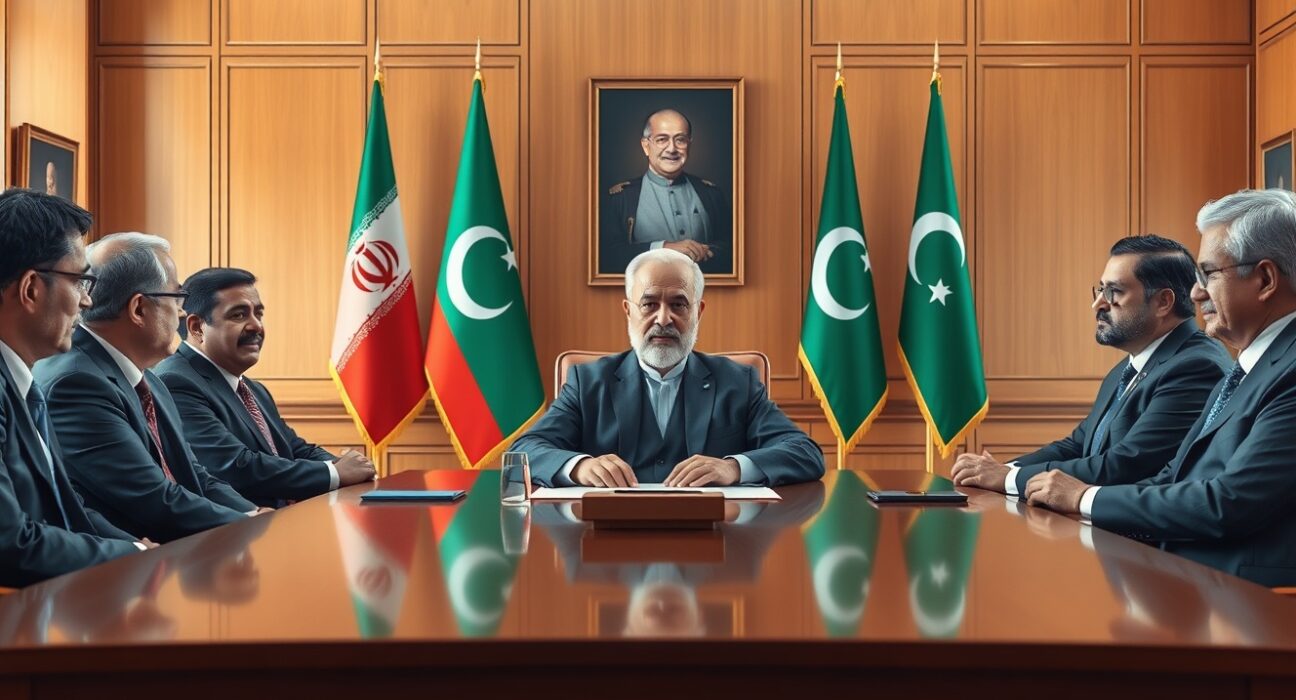
ISLAMABAD, Pakistan – Iranian Parliament Speaker Mohammad Bagher Qalibaf will lead a high-level delegation to Pakistan this week, according to confirmed reports from Iranian state media. This significant diplomatic mission occurs alongside confirmed U.S. engagement, with Vice President J.D. Vance serving as the American representative for parallel negotiations. The visit marks a pivotal moment for regional diplomacy and security coordination between Tehran and Islamabad.
Iranian Parliament Speaker’s Strategic Pakistan Visit
Mohammad Bagher Qalibaf’s upcoming journey to Islamabad represents more than routine parliamentary exchange. As a former commander of the Islamic Revolutionary Guard Corps (IRGC) and Tehran’s mayor, Qalibaf brings substantial political and security expertise. His delegation includes senior parliamentary figures and likely security advisors. Consequently, analysts anticipate discussions extending beyond legislative cooperation.
Pakistan and Iran share a 959-kilometer border, presenting both challenges and opportunities. Historically, their relationship has experienced periods of strain, particularly regarding cross-border security. However, recent years show improved coordination. For instance, both nations conducted joint military exercises in 2023. Furthermore, they maintain important energy partnerships, including the Iran-Pakistan gas pipeline project, though progress faces international sanctions constraints.
Regional Security Context and Diplomatic Timing
The timing of this diplomatic engagement warrants close examination. Regional stability faces multiple pressures, from Afghanistan’s evolving situation to maritime security in the Arabian Sea. Additionally, both Iran and Pakistan navigate complex relationships with global powers. Therefore, Qalibaf’s visit serves as a platform for aligning strategic perspectives.
Pakistan recently concluded its general elections, resulting in a new coalition government. Iranian leadership likely seeks to establish early rapport with incoming Pakistani officials. Simultaneously, Iran continues nuclear negotiations with world powers. Consequently, dialogue with neighboring states becomes increasingly valuable for Tehran’s diplomatic positioning.
Expert Analysis on Bilateral Priorities
Regional analysts identify several probable agenda items for the talks. Security cooperation against militant groups operating along the border remains paramount. Economic collaboration, especially trade facilitation and energy projects, will also feature prominently. Moreover, discussions may address broader regional issues, including the situation in Gaza and developments in Afghanistan.
Dr. Ayesha Siddiqa, a South Asian security analyst, notes, “High-level visits between Iran and Pakistan typically signal intent to manage shared security concerns while exploring economic complementarities. The parliamentary dimension adds legislative weight to any proposed cooperation frameworks.” Such expert perspectives underscore the visit’s substantive nature beyond ceremonial diplomacy.
The U.S. Diplomatic Dimension: Vice President Vance’s Role
Parallel to Iran-Pakistan talks, U.S. Vice President J.D. Vance engages as Washington’s principal negotiator. This American involvement introduces a multilateral dynamic to regional diplomacy. The United States maintains significant interests in both South Asia and the Middle East. Therefore, coordination between separate diplomatic tracks becomes crucial.
Vance’s participation reflects the current administration’s approach to regional engagement. Since taking office, the administration has emphasized direct diplomacy alongside traditional alliances. The Vice President’s role may involve discussions on security guarantees, non-proliferation concerns, and regional stability mechanisms. However, official statements from Washington remain limited regarding specific negotiation points.
Historical Framework of Trilateral Relations
Understanding current dynamics requires historical context. U.S.-Pakistan relations have evolved significantly since the Cold War, while U.S.-Iran relations remain largely adversarial since the 1979 revolution. Pakistan has historically balanced its ties with Tehran and Washington, a delicate diplomatic act. The following table outlines key developments:
| Year | Iran-Pakistan Development | U.S. Regional Engagement |
|---|---|---|
| 2010 | Iran-Pakistan gas pipeline agreement signed | U.S. sanctions on Iran intensify |
| 2019 | Border security coordination improves after militant attacks | U.S. withdraws from JCPOA nuclear deal |
| 2021 | Joint naval exercise in Persian Gulf | U.S. withdrawal from Afghanistan |
| 2024 | Trade volume reaches $2.5 billion | New U.S. administration initiates regional talks |
Economic and Security Implications
The economic dimension of Iran-Pakistan relations holds substantial potential. Both nations face economic challenges, including inflation and currency pressures. Enhanced bilateral trade could offer mutual benefits. Key sectors for potential cooperation include:
- Energy: Iran possesses the world’s second-largest natural gas reserves, while Pakistan faces energy deficits.
- Agriculture: Pakistan’s agricultural exports to Iran could expand with improved trade mechanisms.
- Infrastructure: Connectivity projects, including road and rail links, feature in long-term planning documents.
- Border Trade: Formalizing border markets at crossing points like Taftan-Mirjaveh could boost local economies.
Security discussions will inevitably address border management. The Balochistan region, straddling both countries, experiences periodic militant activity. Consequently, intelligence sharing and coordinated border patrols remain ongoing priorities. Both governments recognize that instability in border areas threatens internal security and economic development.
International Reactions and Global Context
The international community monitors these diplomatic movements closely. Regional powers, including Saudi Arabia and China, maintain vested interests in Pakistan-Iran relations. Saudi Arabia, a traditional Pakistani ally and Iranian rival, may assess implications for regional balance. Meanwhile, China pursues its Belt and Road Initiative, engaging both Tehran and Islamabad independently.
European nations also track developments, particularly regarding nuclear non-proliferation and regional stability. The European Union maintains diplomatic channels with both Iran and Pakistan. However, Brussels currently focuses on Ukraine and Middle Eastern conflicts. Therefore, European reactions will likely emphasize support for dialogue that reduces regional tensions.
Conclusion
Iranian Parliament Speaker Mohammad Bagher Qalibaf’s upcoming Pakistan visit represents a significant diplomatic engagement with regional implications. The participation of U.S. Vice President J.D. Vance in parallel negotiations adds a crucial multilateral dimension. This diplomatic activity underscores the complex interplay of bilateral and global interests shaping South Asian and Middle Eastern geopolitics. Ultimately, successful dialogue could enhance regional security cooperation and economic connectivity between Tehran and Islamabad, while influencing broader international relations.
FAQs
Q1: Who is Mohammad Bagher Qalibaf?
Mohammad Bagher Qalibaf is the current Speaker of the Iranian Parliament (Majlis). He previously served as Mayor of Tehran and commander of the Islamic Revolutionary Guard Corps Air Force. He is considered a prominent conservative politician in Iran.
Q2: What is the main purpose of this diplomatic visit?
The visit aims to strengthen bilateral relations between Iran and Pakistan, with likely discussions on border security, economic cooperation, energy projects, and regional stability issues affecting both nations.
Q3: How does U.S. Vice President Vance factor into these talks?
Vice President J.D. Vance is engaged in separate but parallel negotiations as the U.S. representative. His involvement reflects Washington’s interest in regional diplomacy and security matters concerning both Iran and Pakistan.
Q4: What are the key challenges in Iran-Pakistan relations?
Major challenges include managing cross-border security, navigating U.S. sanctions on Iran that affect joint projects, balancing relationships with other regional powers like Saudi Arabia, and differing positions on some international issues.
Q5: How might this visit affect regional stability?
Enhanced Iran-Pakistan cooperation could improve border security coordination and economic integration, potentially contributing to regional stability. However, outcomes depend on implementation and alignment with broader international diplomatic efforts.
Disclaimer: The information provided is not trading advice, Bitcoinworld.co.in holds no liability for any investments made based on the information provided on this page. We strongly recommend independent research and/or consultation with a qualified professional before making any investment decisions.
