

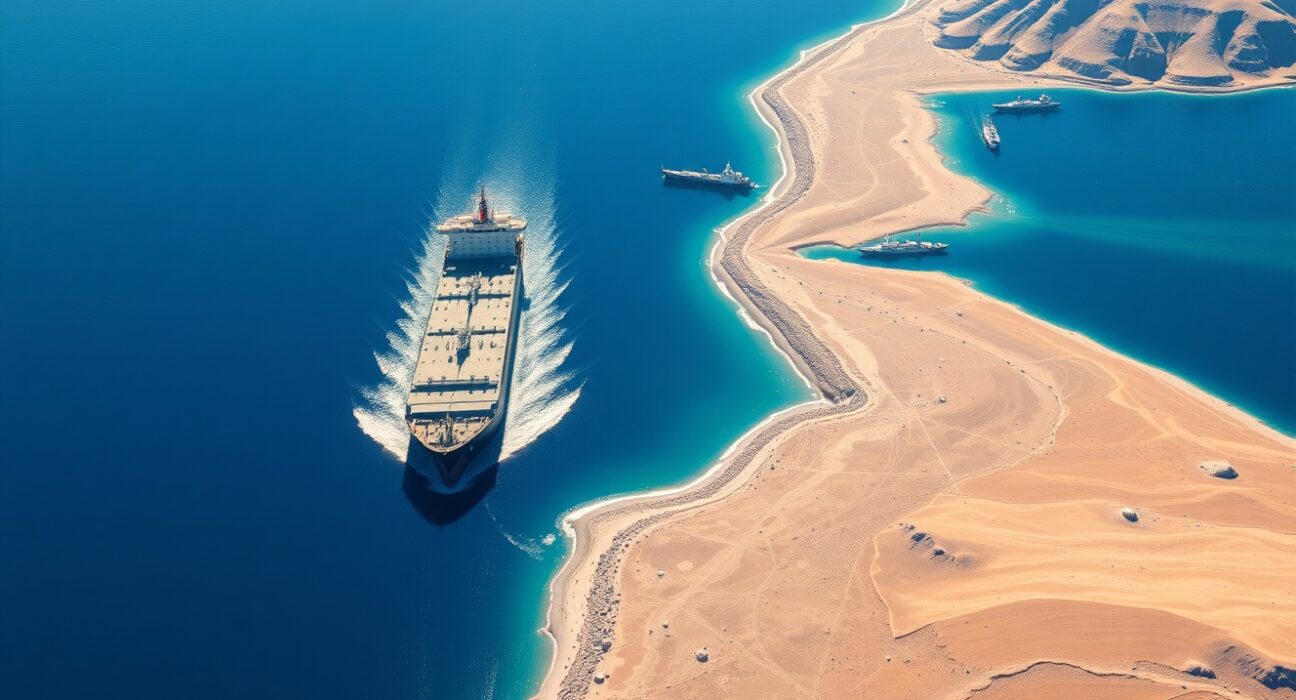
TEHRAN, Iran — March 28, 2025: A high-ranking Iranian official has declared that the strategically vital Strait of Hormuz could reopen to normal shipping traffic as early as April 9 or 10, but only if Tehran and Washington reach a basic ceasefire agreement during upcoming talks. This potential Strait of Hormuz reopening represents a significant development in a months-long regional standoff that has threatened global energy supplies and maritime security. The announcement comes ahead of scheduled diplomatic negotiations between the two nations in Pakistan, marking a crucial diplomatic effort to de-escalate tensions.
Strait of Hormuz Reopening Hinges on Diplomatic Breakthrough
The Iranian statement specifically links the waterway’s operational status to diplomatic progress. Consequently, the proposed April timeline creates immediate pressure for negotiators. The Strait of Hormuz serves as the world’s most important oil transit chokepoint. Furthermore, approximately 20% of global oil consumption passes through this narrow passage. Therefore, any disruption creates immediate volatility in energy markets. The official did not specify which Iranian authority made the declaration. However, analysts confirm the statement carries significant weight within Iran’s political-military establishment.
Regional tensions have remained elevated since early 2024. Multiple incidents involving commercial shipping and naval forces have occurred. The potential reopening signals a possible de-escalation path. Meanwhile, global oil prices reacted cautiously to the news. Traders are monitoring whether concrete diplomatic steps will follow the public statement. The upcoming talks in Pakistan will involve senior officials from both nations. Additionally, Omani mediators are expected to facilitate the discussions.
Historical Context and Geopolitical Stakes
The Strait of Hormuz has been a flashpoint in US-Iran relations for decades. Its closure or restriction represents Iran’s primary strategic leverage in regional disputes. Historically, Tehran has threatened to block the strait during periods of heightened sanctions or military confrontation. However, an actual full-scale closure has never occurred. The waterway’s geography makes it exceptionally vulnerable to disruption. At its narrowest point, the shipping lanes are just 21 miles wide. This creates natural bottlenecks for tanker traffic.
Economic Impacts of Previous Disruptions
Even minor disruptions create substantial economic consequences. For instance, attacks on tankers in 2019 caused temporary insurance premiums to spike by 300%. Similarly, global oil prices increased by 15% during that period. The current situation carries greater risks because of accumulated regional tensions. Major shipping companies have already rerouted some vessels. This rerouting adds 10-14 days to journey times around the Arabian Peninsula. Consequently, shipping costs have increased significantly.
The following table illustrates the Strait of Hormuz’s critical role in global energy markets:
| Metric | Volume/Percentage | Global Significance |
|---|---|---|
| Oil Flow (Daily) | 20.7 million barrels | 21% of global petroleum liquids |
| LNG Flow (Daily) | 2.1 trillion cubic feet annually | 20% of global LNG trade |
| Transiting Countries | Primarily Saudi Arabia, UAE, Iraq, Kuwait | Key OPEC producers depend on route |
| Alternative Routes | Limited pipeline capacity exists | Cannot replace maritime shipping |
The Pakistan Negotiations: Framework and Expectations
The scheduled talks in Islamabad follow months of backchannel communications. Both sides have expressed cautious optimism about the dialogue. However, significant obstacles remain. The Iranian statement mentions a “basic ceasefire agreement” as the prerequisite. This suggests the discussions will initially focus on military deconfliction rather than comprehensive diplomatic normalization. Specifically, negotiators will likely address:
- Naval Protocols: Establishing communication channels between US and Iranian naval forces
- Shipping Guarantees: Ensuring safe passage for commercial vessels
- Sanctions Relief: Potential limited economic concessions
- Regional Proxy Forces: Addressing activities of Iran-aligned groups
Pakistan’s role as host reflects its neutral diplomatic positioning. Historically, Islamabad has maintained relations with both Washington and Tehran. Furthermore, Pakistan shares a long border with Iran. This geographic reality gives Pakistan a direct stake in regional stability. The talks are scheduled to last three days. Observers expect the first day to focus on procedural matters. Substantive discussions will likely occur on subsequent days.
Global Reactions and Market Implications
International responses to the potential Strait of Hormuz reopening have been measured. The White House issued a brief statement acknowledging the Iranian comments. However, US officials emphasized that actions matter more than statements. European Union foreign policy representatives welcomed the diplomatic initiative. Meanwhile, Asian energy importers expressed hope for a swift resolution. Japan, South Korea, and India collectively import over 65% of the strait’s oil shipments. Therefore, these nations have particular interest in stable transit.
Energy market analysts note several immediate effects from the announcement. First, oil futures prices dropped approximately 2% following the news. Second, shipping insurance rates for the Persian Gulf region showed slight moderation. Third, tanker chartering activity increased cautiously. However, most market participants await concrete developments. The April 9-10 timeframe provides a clear benchmark for assessing progress. Failure to meet this deadline could trigger renewed market anxiety.
Expert Analysis on Negotiation Dynamics
Dr. Amina Farhoud, a senior fellow at the Middle East Institute, provides context. “The Iranian statement serves multiple purposes,” she explains. “Primarily, it tests US willingness to engage substantively. Additionally, it reassures domestic audiences about economic relief prospects. The specific date reference creates negotiating momentum.” Farhoud notes that previous diplomatic efforts have collapsed over sequencing issues. Tehran typically demands upfront sanctions relief. Conversely, Washington insists on verifiable behavioral changes first. The “basic ceasefire” formulation may represent a middle ground.
Military analysts highlight the operational challenges. Rear Admiral John Carlson (Ret.), former US Naval Forces Central Command advisor, states, “Reopening the strait requires coordinated technical steps. Mine clearance operations might be necessary. Furthermore, navigational aids must be verified. The April timeline is ambitious but technically feasible if political agreement emerges early.”
Regional Security Considerations
The potential Strait of Hormuz reopening intersects with broader regional security issues. Several Gulf Cooperation Council (GCC) states have expressed concerns about the negotiations. Specifically, they worry about insufficient consultation regarding their security interests. Saudi Arabia and the United Arab Emirates depend completely on the strait for oil exports. These nations have invested heavily in alternative pipeline infrastructure. However, maritime routes remain indispensable for their economies.
Israel has monitored developments closely. Jerusalem remains skeptical of any US-Iran agreement that doesn’t address nuclear and missile programs. Meanwhile, regional shipping companies have implemented contingency plans. Many vessels now travel in convoys with enhanced security. Additionally, some operators have installed defensive systems. The International Maritime Organization continues to issue advisories for the area. These advisories recommend specific precautionary measures for transiting vessels.
Conclusion
The potential Strait of Hormuz reopening by April 9-10 represents a critical juncture in Middle Eastern geopolitics. Its realization depends entirely on successful US-Iran negotiations in Pakistan. A diplomatic breakthrough could stabilize global energy markets and reduce regional conflict risks. Conversely, failure could escalate tensions significantly. The coming days will test whether both nations can bridge substantial differences. The world watches closely as this vital waterway’s future hangs in the balance. The economic and security implications extend far beyond the region, affecting global trade patterns and energy security for months to come.
FAQs
Q1: Why is the Strait of Hormuz so important globally?
The Strait of Hormuz is the world’s most critical oil transit chokepoint, handling about 21% of global petroleum consumption daily. Its closure would immediately disrupt energy supplies to Asia, Europe, and beyond, causing significant economic damage.
Q2: What exactly would a “basic ceasefire agreement” between the US and Iran involve?
Based on diplomatic terminology, a basic ceasefire would likely establish military deconfliction mechanisms, communication channels between naval forces, and temporary cessation of hostile actions in the Persian Gulf region, without addressing broader political disputes.
Q3: How would the Strait of Hormuz reopening affect oil prices?
Successful reopening would likely reduce the “risk premium” in oil prices, potentially lowering global benchmarks by 5-10% initially. However, sustained price effects depend on whether the diplomatic agreement holds and normal shipping patterns resume completely.
Q4: What happens if the April 9-10 deadline passes without a deal?
Failure to reach agreement by the stated deadline would likely prolong the strait’s restricted status, potentially leading to increased military posturing, higher shipping insurance rates, and greater market volatility as alternative supply arrangements become more permanent.
Q5: How are other countries in the region responding to these developments?
Gulf Arab states have expressed cautious support for diplomatic solutions while emphasizing their security concerns. European and Asian nations generally welcome dialogue but seek guarantees about uninterrupted energy flows. Regional responses remain carefully calibrated pending actual negotiation outcomes.
Disclaimer: The information provided is not trading advice, Bitcoinworld.co.in holds no liability for any investments made based on the information provided on this page. We strongly recommend independent research and/or consultation with a qualified professional before making any investment decisions.
