

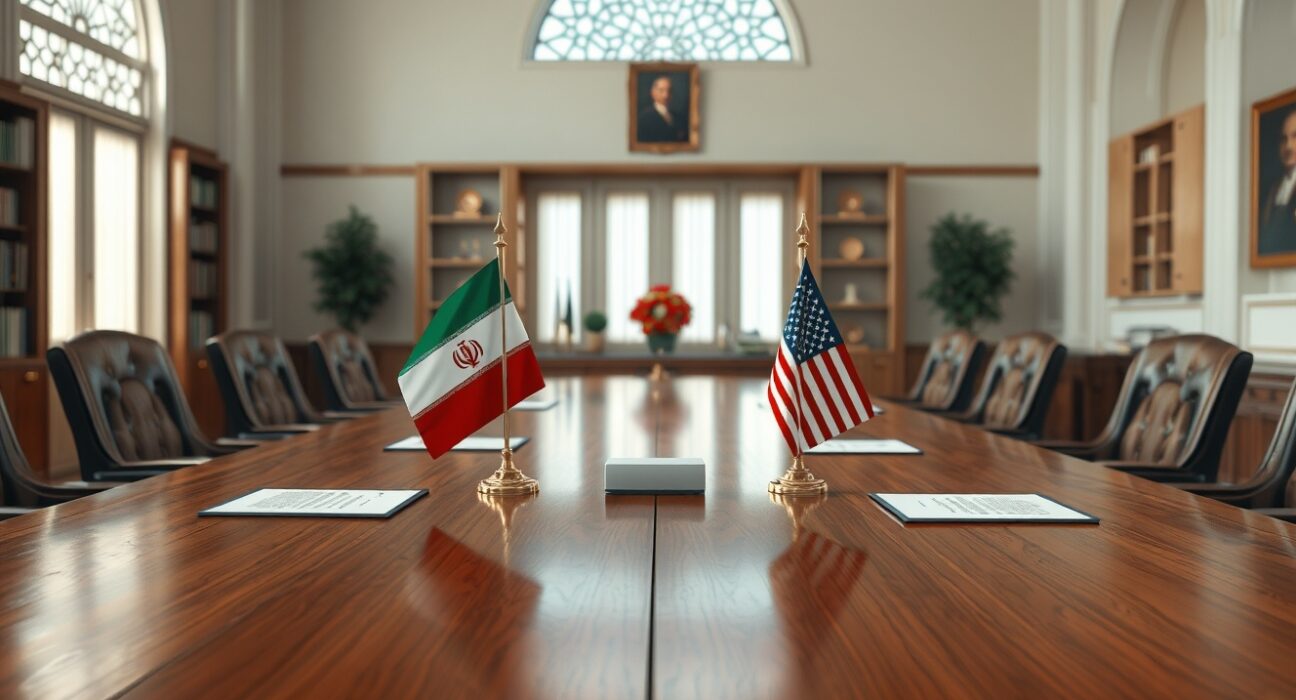
ISLAMABAD, March 2025 — A senior Iranian envoy has revealed that ongoing diplomatic negotiations between the United States and Iran in Pakistan’s capital could extend for two to three days. This development marks a significant, albeit cautious, step in a complex relationship defined by decades of tension. The talks, occurring against a backdrop of regional instability and stalled nuclear agreements, carry substantial implications for global energy markets and international security frameworks. Consequently, analysts worldwide are monitoring the Islamabad discussions with intense scrutiny.
US-Iran Talks in Islamabad: A Diplomatic Breakthrough
The announcement came directly from a special envoy representing Iran’s Supreme Leader. He confirmed the talks’ location and potential duration to international media. This diplomatic engagement represents a rare direct channel between the two nations. Historically, such interactions have often occurred through intermediaries or in neutral third-party countries. Pakistan’s role as host underscores its ongoing strategic balancing act in regional politics. Furthermore, the choice of Islamabad provides a geographically and politically neutral ground for both parties.
These discussions follow a series of lower-level contacts throughout early 2025. Notably, they occur amidst a fragile ceasefire in several regional conflict zones. The explicit timeframe of 2-3 days suggests both sides have a defined, substantive agenda to address. Diplomatic sources indicate the talks will likely cover a narrow set of immediate issues. These issues could serve as confidence-building measures for more comprehensive negotiations later.
Historical Context of US-Iran Relations
Understanding the current talks requires examining the fraught history between Washington and Tehran. Relations have remained largely hostile since the 1979 Iranian Revolution and the subsequent hostage crisis. The 2015 Joint Comprehensive Plan of Action (JCPOA), commonly known as the Iran nuclear deal, provided a brief period of diplomatic engagement. However, the U.S. withdrawal from the accord in 2018 under the Trump administration shattered that progress. Subsequent “maximum pressure” sanctions crippled Iran’s economy.
Attempts to revive the nuclear deal have faced repeated obstacles since 2021. Key sticking points persist, including the scope of sanctions relief and verification of Iran’s nuclear activities. The following table outlines the major phases in recent diplomatic efforts:
| Period | Key Event | Outcome |
|---|---|---|
| 2015 | JCPOA Signed | Multilateral agreement limiting Iran’s nuclear program. |
| 2018 | U.S. Withdrawal | Re-imposition of stringent sanctions on Iran. |
| 2021-2023 | Vienna Talks | Indirect negotiations; no final agreement reached. |
| 2024 | Regional De-escalation | Informal understandings to reduce military tensions. |
| 2025 | Islamabad Talks | New direct dialogue announced. |
This historical pendulum between confrontation and diplomacy frames the current meeting. Each side enters the room with deeply entrenched grievances and strategic objectives.
Pakistan’s Strategic Role as Mediator
Pakistan’s facilitation of these talks highlights its unique geopolitical position. The country maintains diplomatic ties with both the United States and Iran, despite often conflicting pressures. Islamabad has historically walked a fine line between its alliance with Washington and its cultural and economic links with Tehran. Notably, Pakistan shares a long, porous border with Iran, making regional stability a direct national security concern.
Experts point to several reasons for Pakistan’s involvement:
- Regional Stability: Pakistan seeks to prevent conflict on its western flank.
- Economic Interests: A potential Iran-Pakistan gas pipeline project remains stalled due to sanctions.
- Diplomatic Prestige: Hosting successful talks boosts Pakistan’s international standing.
Pakistani officials have emphasized their role as a neutral facilitator. They aim to provide a secure and discreet environment for dialogue. This mirrors Pakistan’s past efforts in facilitating talks involving other regional actors, like the Afghan Taliban.
Expert Analysis on Negotiation Prospects
Dr. Anisa Rahman, a senior fellow at the Institute for Strategic Studies, Islamabad, provided context. “The 2-3 day timeframe is telling,” she noted. “It indicates the parties have moved beyond mere exploratory contact. They likely have specific, actionable items on the table. However, the short duration also suggests expectations for a full resolution remain low. The goal is probably to establish a working channel and agree on next steps.”
Western diplomats, speaking on background, echo this tempered optimism. They suggest the immediate agenda may focus on humanitarian issues or regional security mechanisms. For instance, one potential topic could be establishing rules of engagement to avoid military miscalculations in the Persian Gulf. Another could involve a temporary freeze on certain nuclear advancements in exchange for limited sanctions waivers.
The Iranian delegation’s composition is equally significant. The envoy’s direct connection to the Supreme Leader’s office suggests any agreements reached could have high-level backing in Tehran. This contrasts with past talks led solely by the Iranian foreign ministry, which sometimes lacked the final authority of the revolutionary establishment.
Potential Impacts on Global Markets and Security
The mere occurrence of these talks has immediate ripple effects. Global oil markets often react sensitively to US-Iran diplomacy. A potential easing of tensions could presage increased Iranian oil exports, affecting global supply and prices. Conversely, a breakdown in talks could reinforce risk premiums. Financial analysts are closely watching statements from both capitals for signals.
Regional actors are also recalibrating their positions. Gulf Cooperation Council (GCC) states, particularly Saudi Arabia and the United Arab Emirates, have vested interests in the outcome. They traditionally view Iran’s regional ambitions with deep suspicion. However, a recent détente between Riyadh and Tehran, brokered by China in 2023, has created a more complex landscape. These states may prefer a managed, negotiated containment of Iran rather than uncontrolled escalation.
Security implications extend beyond the Middle East. A stabilized Persian Gulf ensures the free flow of commerce through critical chokepoints like the Strait of Hormuz. Over 20% of the world’s oil passes through this narrow waterway. Furthermore, progress on nuclear constraints would directly impact non-proliferation regimes globally, influencing other diplomatic efforts, such as those concerning North Korea.
Conclusion
The US-Iran talks in Islamabad represent a critical juncture in international diplomacy. The disclosed 2-3 day timeline provides a concrete window for assessing progress. While a comprehensive breakthrough remains unlikely in such a short period, the establishment of a reliable direct dialogue channel would itself be a major achievement. The world will watch closely as these negotiations unfold. Their outcome will significantly influence Middle Eastern stability, global energy security, and the future of nuclear non-proliferation efforts for years to come. The Islamabad talks, therefore, are not just a bilateral meeting but a barometer for the wider international order.
FAQs
Q1: What is the main goal of the US-Iran talks in Islamabad?
The primary goal appears to be establishing a direct and sustained communication channel to address urgent bilateral issues, potentially including regional de-escalation and humanitarian concerns, as a precursor to more comprehensive negotiations on the nuclear file.
Q2: Why is Pakistan hosting these negotiations?
Pakistan maintains relations with both nations and has a direct interest in regional stability on its border. It offers a neutral, secure location and has experience in facilitating complex diplomatic dialogues.
Q3: Could these talks lead to a revival of the 2015 nuclear deal?
While the JCPOA remains the foundational reference point, experts believe these specific talks are too brief to resolve all outstanding issues. They are more likely focused on building confidence and setting an agenda for future, more technical discussions.
Q4: How are other countries in the Middle East reacting?
Regional reactions are mixed. Some Gulf states are cautiously supportive of dialogue that reduces the risk of conflict, while others remain deeply skeptical of Iran’s intentions and are monitoring the talks for any concessions that might affect their security.
Q5: What happens if the talks fail?
A failure to establish a productive dialogue could lead to a return to heightened tensions, increased regional proxy conflicts, more aggressive nuclear advancements by Iran, and tighter enforcement of U.S. sanctions, further isolating Iran’s economy.
Disclaimer: The information provided is not trading advice, Bitcoinworld.co.in holds no liability for any investments made based on the information provided on this page. We strongly recommend independent research and/or consultation with a qualified professional before making any investment decisions.
