

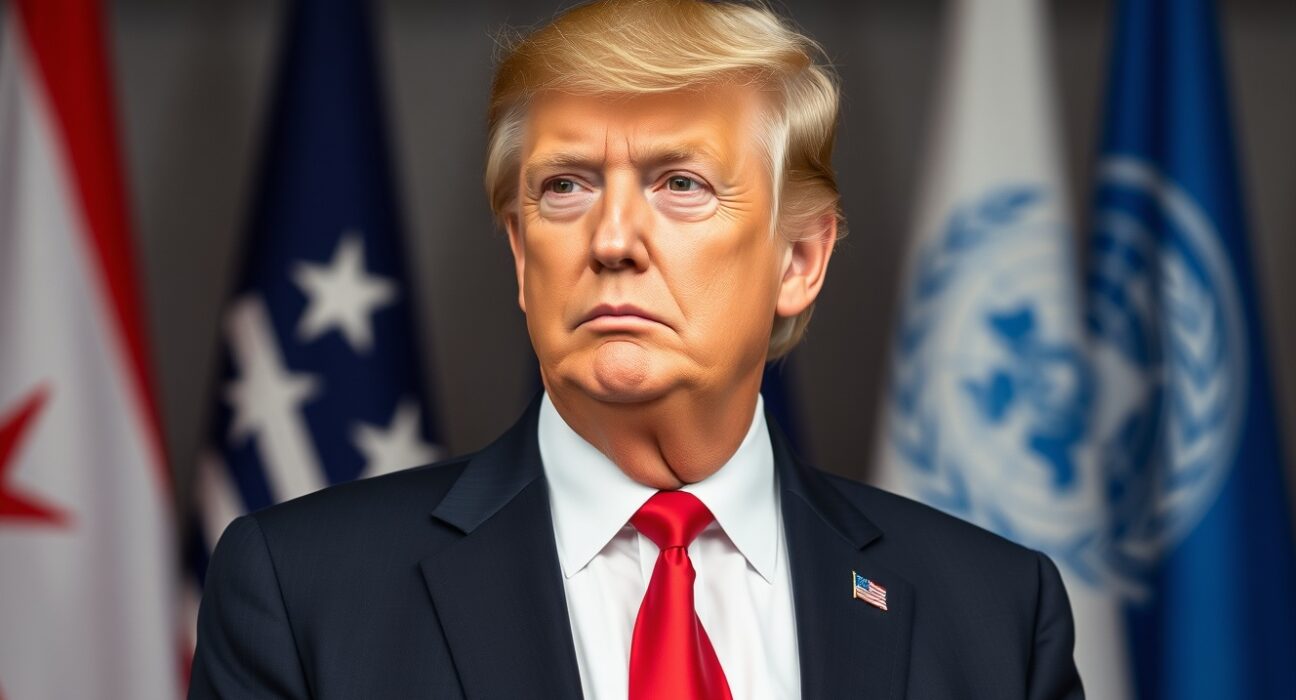
Former President Donald Trump has fundamentally shifted the diplomatic landscape by declaring that Iran’s return to negotiations “doesn’t matter,” a statement that reverberates through global capitals and signals a dramatic departure from traditional diplomatic engagement strategies. This declaration, made during recent policy discussions, represents more than just rhetorical positioning—it reflects a calculated strategic realignment with profound implications for Middle Eastern stability, nuclear non-proliferation efforts, and America’s global diplomatic posture as we move through 2025.
Trump’s Iran Negotiations Statement: Context and Immediate Reactions
President Trump reportedly stated that it does not matter to him whether Iran returns to negotiations, adding that it is also fine if they do not. This position emerges against a complex geopolitical backdrop where multiple international actors have actively sought to revive the Joint Comprehensive Plan of Action (JCPOA), commonly known as the Iran nuclear deal. The statement immediately generated reactions from European allies, regional partners, and diplomatic observers who monitor U.S.-Iran relations closely.
Furthermore, this declaration follows years of escalating tensions between Washington and Tehran. The Trump administration originally withdrew from the JCPOA in 2018, implementing what it termed a “maximum pressure” campaign through extensive economic sanctions. Consequently, Iran gradually resumed previously restricted nuclear activities, bringing its uranium enrichment closer to weapons-grade levels. Meanwhile, the Biden administration attempted to restart negotiations through indirect talks in Vienna and Doha, though these efforts produced limited tangible results before the 2024 election cycle.
The Strategic Calculus Behind Dismissing Diplomatic Engagement
Several strategic considerations likely inform this dismissive approach toward renewed negotiations with Iran. First, the regional security architecture has transformed significantly since 2018. The Abraham Accords normalized relations between Israel and several Arab states, creating new alliances that potentially reduce perceived Iranian threats through collective security arrangements. Additionally, Saudi Arabia and Iran restored diplomatic relations in 2023 through Chinese mediation, altering traditional regional fault lines.
Second, domestic political calculations in the United States play a crucial role. The original JCPOA faced substantial bipartisan criticism, with opponents arguing it failed to address Iran’s ballistic missile program and regional proxy activities. Moreover, maintaining a tough stance on Iran resonates with certain voter constituencies who view the Islamic Republic as an implacable adversary. Third, alternative pressure mechanisms have emerged, including tighter international coordination on sanctions enforcement and increased maritime security cooperation among regional partners.
Expert Analysis: Regional Implications and Security Concerns
Middle East analysts emphasize several potential consequences of this diplomatic stance. Dr. Sarah El-Kazaz, a senior fellow at the Middle East Institute, notes: “Dismissing negotiations removes a critical channel for crisis management during periods of heightened tension. Previously, even during confrontations, diplomatic backchannels provided mechanisms to prevent escalation.” Regional security experts additionally highlight concerns about Iran’s nuclear timeline, with estimates suggesting Tehran could potentially produce sufficient weapons-grade uranium for a nuclear device within weeks if it chooses to pursue that path.
The table below outlines key developments in U.S.-Iran relations since the JCPOA’s inception:
| Year | Key Development | Impact on Negotiations |
|---|---|---|
| 2015 | JCPOA signed by P5+1 and Iran | Established comprehensive nuclear restrictions |
| 2018 | U.S. withdraws, reimposes sanctions | Iran begins gradual violations of limits |
| 2021-2023 | Indirect Vienna talks | Produced draft agreements but no final deal |
| 2024 | Regional diplomacy expands | Reduced urgency for U.S.-Iran direct talks |
| 2025 | Trump declares negotiations unimportant | Fundamentally shifts diplomatic paradigm |
Alternative Approaches to Iran Policy Beyond Negotiations
Without prioritizing formal negotiations, the U.S. administration appears to be pursuing alternative strategies for managing the Iranian challenge. These approaches include:
- Enhanced Deterrence Postures: Strengthening military partnerships with regional allies through joint exercises and intelligence sharing
- Economic Pressure Mechanisms: Maintaining and potentially expanding sanctions targeting Iran’s energy sector and financial institutions
- Regional Balancing: Supporting the integration of Middle Eastern security architectures that counter Iranian influence
- Technological Constraints: Restricting Iran’s access to dual-use technologies that could advance its nuclear or missile programs
Simultaneously, European powers continue pursuing diplomatic channels independently. France, Germany, and the United Kingdom maintain communication with Iranian officials through the E3 format, though their influence remains limited without American participation. Meanwhile, Russia and China have expanded economic and military cooperation with Tehran, creating alternative partnerships that potentially reduce the effectiveness of Western pressure campaigns.
Global Reactions and Diplomatic Fallout
International responses to this diplomatic shift have varied significantly across different capitals. European allies expressed concern about the potential for renewed escalation, with French Foreign Ministry officials emphasizing that “diplomacy remains the only sustainable path to address nuclear proliferation concerns.” Conversely, regional partners like Israel and several Gulf states welcomed the firm stance, viewing it as consistent with their security priorities regarding Iranian regional activities.
At the United Nations, diplomatic sources indicate that Security Council dynamics have grown more complicated. The original JCPOA received endorsement through UN Security Council Resolution 2231, creating certain international legal expectations regarding implementation. However, with the United States taking this position, enforcement mechanisms face significant challenges. Additionally, the International Atomic Energy Agency continues its monitoring activities in Iran, though access remains restricted at certain sensitive sites.
The Domestic Political Dimension in the United States
Within American politics, this position reflects broader debates about foreign policy philosophy. Proponents argue that previous negotiations failed to achieve core objectives while providing Iran with economic relief that funded regional proxies. Critics counter that abandoning diplomacy increases proliferation risks and reduces American influence over international security matters. Furthermore, this approach may affect congressional dynamics, particularly regarding sanctions legislation and defense authorization measures related to the Middle East.
Conclusion
President Trump’s declaration that Iran negotiations no longer matter represents a pivotal moment in Middle East diplomacy and nuclear non-proliferation efforts. This stance reflects strategic calculations about changed regional dynamics, alternative pressure mechanisms, and domestic political considerations. While reducing immediate prospects for reviving comprehensive nuclear agreements, this approach emphasizes deterrence, regional partnerships, and sustained economic pressure. The long-term implications for regional stability, nuclear proliferation risks, and America’s global diplomatic leadership will undoubtedly unfold throughout 2025 and beyond, as all actors adjust to this transformed diplomatic landscape where traditional negotiation frameworks face unprecedented challenges.
FAQs
Q1: What exactly did President Trump say about Iran negotiations?
President Trump stated that it does not matter to him whether Iran returns to negotiations, adding that it is also fine if they do not. This represents a significant shift from previous administrations that prioritized diplomatic engagement.
Q2: How does this position affect the Iran nuclear deal (JCPOA)?
This position effectively closes the door on U.S. participation in reviving the original JCPOA framework. Without American engagement, the agreement cannot function as originally designed, though European parties continue limited diplomatic efforts.
Q3: What alternative strategies is the U.S. pursuing instead of negotiations?
The administration appears focused on enhanced regional deterrence through military partnerships, maintained economic sanctions, support for integrated Middle Eastern security architectures, and technological restrictions on Iran’s programs.
Q4: How have other countries reacted to this diplomatic shift?
European allies expressed concern about escalation risks, while regional partners like Israel and Gulf states welcomed the firm stance. Russia and China have expanded cooperation with Iran, creating alternative partnerships.
Q5: What are the potential risks of abandoning negotiations with Iran?
Analysts identify several risks: reduced crisis management channels during tensions, accelerated Iranian nuclear advancement, increased regional instability, and diminished American diplomatic influence over non-proliferation efforts.
Disclaimer: The information provided is not trading advice, Bitcoinworld.co.in holds no liability for any investments made based on the information provided on this page. We strongly recommend independent research and/or consultation with a qualified professional before making any investment decisions.
