

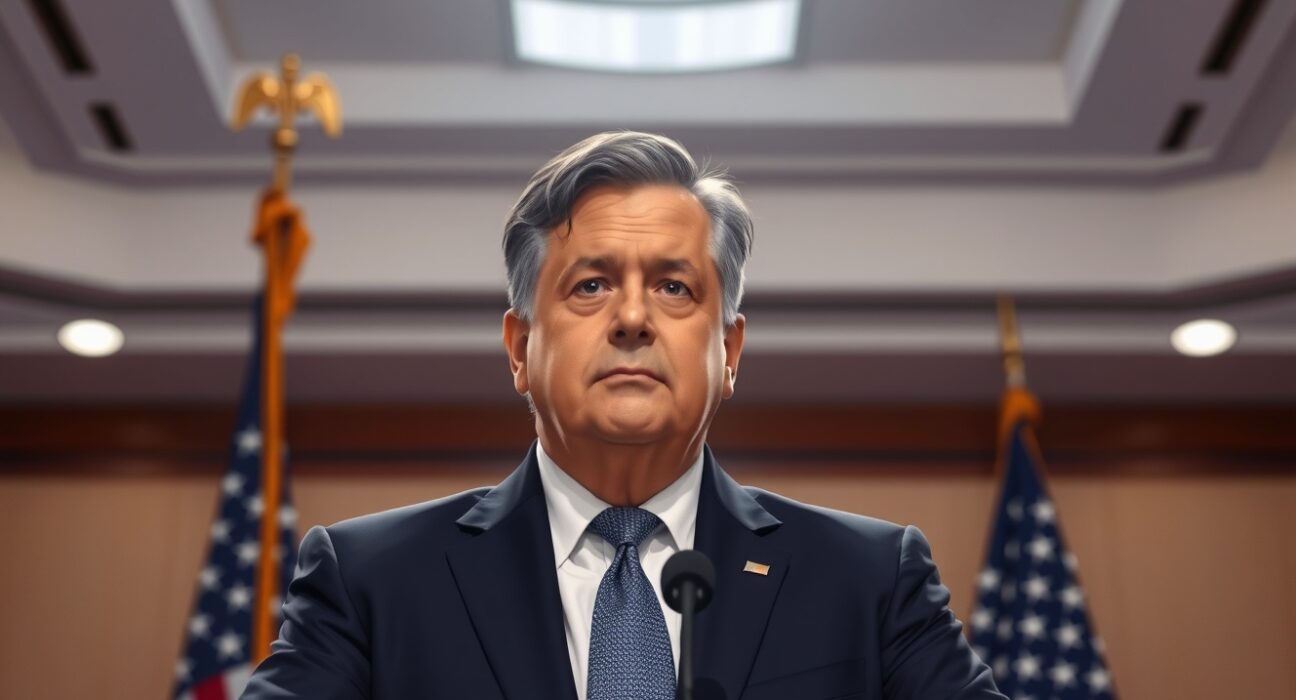
WASHINGTON, D.C., March 15, 2025 – U.S. Vice President JD Vance announced significant diplomatic progress in negotiations with Iran during an exclusive Fox News interview today. Consequently, the Biden administration now places the next move squarely on Tehran’s shoulders. Specifically, Vance emphasized that Iran must demonstrate tangible progress on opening the Strait of Hormuz. Otherwise, the nature of ongoing discussions will fundamentally change.
Iran Negotiations Reach Critical Juncture
Vice President Vance’s announcement marks a pivotal moment in U.S.-Iran relations. The diplomatic breakthrough follows months of behind-the-scenes negotiations. Furthermore, international observers have closely monitored these talks since their resumption last November. The current progress represents the most substantial movement since the original Joint Comprehensive Plan of Action negotiations.
During the interview, Vance provided specific details about the negotiation framework. He stated, “We have achieved significant progress on multiple fronts.” However, he immediately clarified that Tehran now faces crucial decisions. The administration expects concrete actions rather than mere promises. This approach reflects a strategic shift in American diplomatic methodology.
Strait of Hormuz: The Central Demand
The Strait of Hormuz represents the world’s most important oil transit chokepoint. Approximately 21 million barrels of oil pass through daily. This accounts for roughly 20-30% of global petroleum consumption. Therefore, its security directly impacts international energy markets and global economic stability.
Vance explicitly linked negotiation progress to Iranian actions regarding the strait. He warned, “Our discussions will change fundamentally without compliance.” This statement carries significant weight given recent regional tensions. Moreover, it signals Washington’s commitment to maritime security principles.
| Metric | Value | Global Significance |
|---|---|---|
| Daily Oil Transit | 21 million barrels | 20-30% of global consumption |
| LNG Transit Share | Approximately 30% | Critical for Asian markets |
| Strategic Importance | Extremely High | Vital Western economic interest |
Historical Context and Regional Implications
U.S.-Iran relations have experienced numerous cycles of tension and diplomacy. The current negotiations follow a particularly volatile period. Recent years witnessed multiple incidents in Gulf waters. These include tanker seizures and alleged attacks on shipping vessels. Consequently, regional stability has remained precarious.
Diplomatic experts note several key factors in the current situation:
- Economic pressures on Iran from sustained sanctions
- Regional proxy conflicts involving Iranian-backed groups
- International energy security concerns
- Domestic political dynamics in both nations
Diplomatic Progress Analysis
The announced progress suggests breakthrough on previously contentious issues. These likely include nuclear program limitations and regional security arrangements. However, Vance carefully avoided disclosing specific concession details. This discretion maintains negotiation leverage while signaling momentum.
International reaction has been cautiously optimistic. European allies particularly welcome diplomatic movement. Meanwhile, Gulf Cooperation Council members monitor developments closely. Their regional security interests remain intimately connected to Strait of Hormuz stability.
Several factors contributed to the current diplomatic opening:
- Changing regional alignments and normalization agreements
- Shared interest in preventing broader conflict escalation
- Economic necessities driving pragmatic approaches
- Strategic calculation of mutual interests
Expert Perspectives on Negotiation Dynamics
Former State Department negotiators emphasize the significance of Vance’s statement. They note that “significant progress” terminology rarely appears in official communications. Therefore, its use indicates substantive agreement on framework elements. However, experts caution that implementation remains the true test.
Regional analysts highlight the Strait of Hormuz focus. They argue this represents a confidence-building measure. Specifically, Iranian cooperation on maritime security could establish negotiation momentum. Conversely, non-compliance would validate skepticism about Tehran’s intentions.
Potential Outcomes and Timeline
The administration has established clear expectations for Tehran’s response. Iranian officials now face internal deliberations about next steps. Their decision will determine whether negotiations advance or stall. International observers anticipate a response within coming weeks.
Several possible scenarios could unfold:
- Positive Iranian movement leading to expanded negotiations
- Partial compliance resulting in continued cautious engagement
- Rejection or delay triggering diplomatic escalation
- Regional proxy actions undermining negotiation progress
Market reactions have been measured but noticeable. Oil prices showed slight volatility following the announcement. However, traders await concrete actions rather than diplomatic statements. This reflects market understanding of the region’s complexity.
Conclusion
Vice President Vance’s announcement represents a crucial development in Iran negotiations. The diplomatic progress signals potential breakthrough after years of stalemate. However, Tehran’s response will determine the immediate future. The Strait of Hormuz remains the central test of Iranian intentions. Consequently, international attention now focuses on Iranian decision-makers. Their choices will shape regional security and global energy markets for years.
FAQs
Q1: What specific progress did VP Vance announce in Iran negotiations?
Vance announced “significant progress” on multiple negotiation fronts but didn’t disclose specific details. He emphasized that Tehran must now demonstrate tangible actions, particularly regarding Strait of Hormuz security, for discussions to continue productively.
Q2: Why is the Strait of Hormuz so important in these negotiations?
The Strait of Hormuz handles approximately 21 million barrels of oil daily, representing 20-30% of global consumption. Its security directly impacts international energy markets and serves as a confidence-building measure in U.S.-Iran relations.
Q3: What happens if Iran doesn’t comply with U.S. demands?
Vance warned that “the nature of the discussions would change” without Iranian compliance. This likely means diplomatic escalation, potential sanctions reinforcement, or other pressure measures, though specific consequences weren’t detailed.
Q4: How have regional countries reacted to this announcement?
European allies have expressed cautious optimism, while Gulf Cooperation Council members monitor developments closely due to their direct security interests. Regional reactions reflect both hope for stability and skepticism about Iranian intentions.
Q5: What’s the expected timeline for Iran’s response?
While no official deadline exists, diplomatic experts anticipate Tehran will need to respond within weeks. The administration’s public statement increases pressure for a timely decision, with market and international attention focused on Iranian actions.
Disclaimer: The information provided is not trading advice, Bitcoinworld.co.in holds no liability for any investments made based on the information provided on this page. We strongly recommend independent research and/or consultation with a qualified professional before making any investment decisions.
