

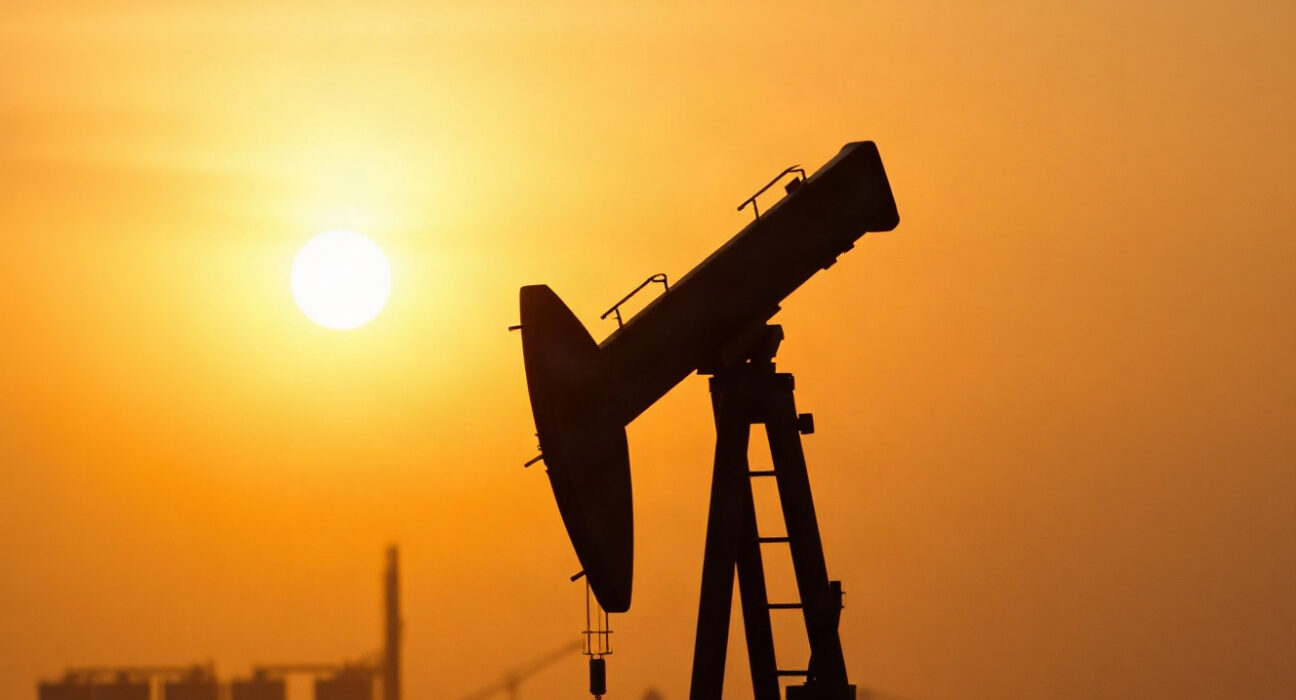
WTI crude oil prices climbed on [current date] as the ongoing standoff between the United States and Iran continued to keep Middle East supply risks elevated, with traders factoring in the potential for disruptions to oil flows through the Strait of Hormuz. The latest price move reflects persistent geopolitical tensions that have kept a risk premium embedded in crude futures, even as global demand concerns and potential supply increases from other producers temper gains.
Why the US-Iran Standoff Matters for Oil Prices
The standoff between Washington and Tehran centers on Iran’s nuclear program and its regional military activities, with the US maintaining a policy of maximum pressure through sanctions and military posturing. In response, Iran has repeatedly threatened to close or disrupt the Strait of Hormuz, a narrow waterway through which about 20% of global oil consumption passes. Any actual disruption would have immediate and severe consequences for global supply, making the threat a key driver of the risk premium in oil prices.
Recent incidents, including the seizure of oil tankers by Iranian forces and US military deployments to the region, have heightened fears of a direct confrontation. While no major supply disruption has occurred so far, the market remains sensitive to any escalation. As of this week, the US has maintained its naval presence in the Gulf, and Iran has continued to conduct military exercises, keeping the situation volatile.
Market Reaction and Price Drivers
Brent crude, the international benchmark, has also seen gains, reflecting the global nature of the risk. The rally in WTI, the US benchmark, is partly driven by the same geopolitical factors, but also by domestic inventory data and refining activity. According to the latest data from the US Energy Information Administration (EIA), crude inventories fell by [specific number] barrels last week, more than analysts had expected, which added upward pressure on prices.
However, the upside has been limited by concerns over global demand, particularly from China, the world’s largest oil importer. Economic data from China has been mixed, and the pace of its recovery remains uncertain. Additionally, the possibility of increased supply from other producers, including the US, where shale output remains near record levels, provides a counterbalance to geopolitical risks.
What Traders Are Watching
Market participants are closely monitoring several key indicators:
- Diplomatic developments: Any signs of de-escalation, such as renewed nuclear talks or a prisoner swap, could quickly reduce the risk premium.
- Strait of Hormuz traffic: Real-time tracking of tanker movements and any reports of harassment or seizure will be critical.
- OPEC+ decisions: The group’s next meeting is scheduled for [date], and any unexpected output changes could shift the balance.
- US inventory data: Weekly EIA reports will continue to provide near-term direction.
Impact on Consumers and the Broader Economy
Higher oil prices translate directly to higher gasoline prices at the pump, which can fuel inflation and affect consumer spending. For the US, where gasoline demand is a key economic indicator, a sustained rally in crude could put upward pressure on inflation, complicating the Federal Reserve’s monetary policy decisions. For importing nations, especially in Asia, higher energy costs can widen trade deficits and slow economic growth.
Conclusion
The rise in WTI oil prices is a direct reflection of the market’s assessment of geopolitical risk in the Middle East. While the standoff has not yet caused a physical supply disruption, the threat alone is enough to keep prices elevated. The situation remains fluid, and any development—whether a diplomatic breakthrough or a military incident—could trigger sharp moves in either direction. For now, traders are balancing the risk premium against global demand concerns, leaving oil prices in a cautious range with an upward bias.
FAQs
Q1: Why is the Strait of Hormuz important for oil prices?
The Strait of Hormuz is a narrow waterway between the Persian Gulf and the Gulf of Oman, through which about 20% of global oil consumption passes. If Iran were to disrupt this chokepoint, it would severely impact global oil supply, causing prices to spike.
Q2: How does the US-Iran standoff affect gasoline prices in the US?
When crude oil prices rise, refiners’ costs increase, and those costs are often passed on to consumers at the pump. A sustained rise in WTI can lead to higher gasoline prices, which can affect household budgets and broader inflation.
Q3: What could cause oil prices to fall from current levels?
A de-escalation of US-Iran tensions, such as a return to nuclear negotiations, would likely reduce the geopolitical risk premium. Additionally, weaker-than-expected global demand, especially from China, or an unexpected increase in supply from OPEC+ or US shale could put downward pressure on prices.
Disclaimer: The information provided is not trading advice, Bitcoinworld.co.in holds no liability for any investments made based on the information provided on this page. We strongly recommend independent research and/or consultation with a qualified professional before making any investment decisions.
