

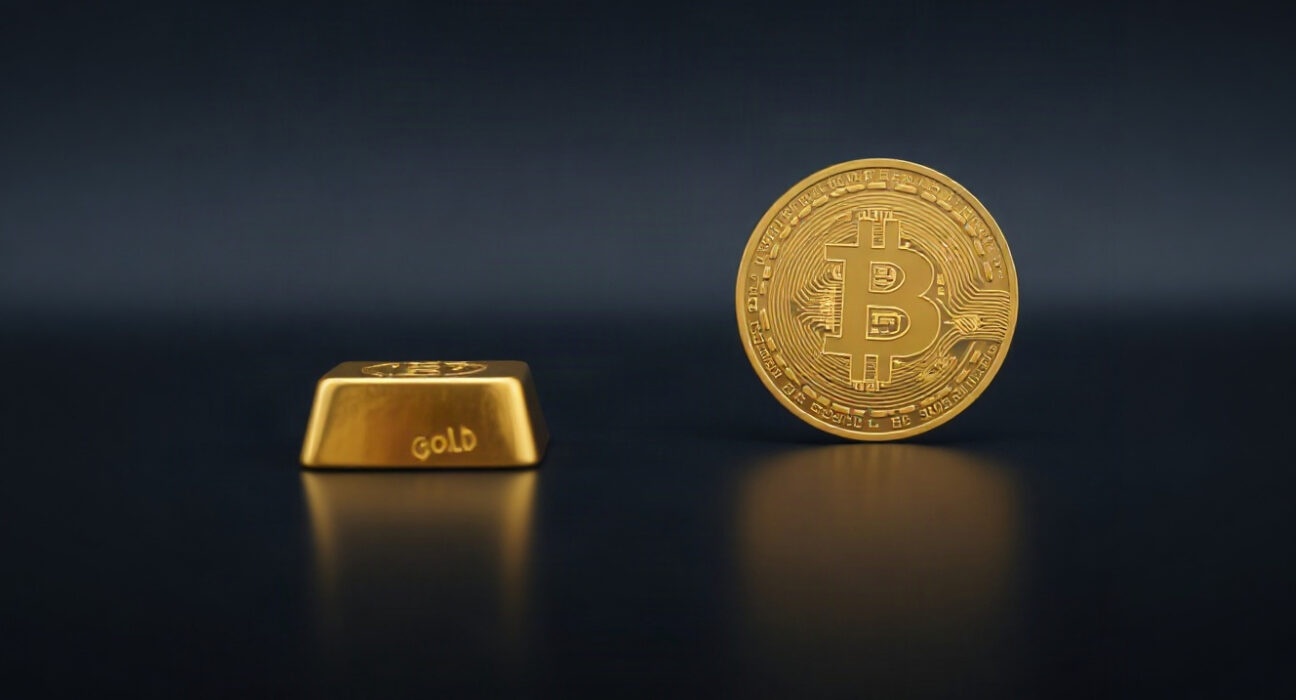
Bitcoin and gold both extended their gains on [Date], as investors continued to seek safe-haven assets amid escalating Middle East tensions. The ongoing geopolitical uncertainty has reinforced the appeal of both traditional and digital stores of value, with gold hovering near record highs and Bitcoin maintaining its upward momentum.
Price Action and Market Context
As of [Date], Bitcoin traded at approximately [Price], reflecting a [Percentage]% increase over the past 24 hours. Gold, meanwhile, stood at around [Price] per ounce, having risen [Percentage]% during the same period. These moves come against a backdrop of heightened geopolitical risk, as conflicts in the Middle East show no signs of de-escalation.
The correlation between Bitcoin and gold has strengthened in recent weeks, as both assets benefit from a flight to safety. Historically, gold has been the go-to hedge during times of crisis, but Bitcoin is increasingly being viewed as a digital alternative, particularly by younger investors and institutional players seeking portfolio diversification.
Drivers Behind the Rally
Several factors are driving the simultaneous rally in Bitcoin and gold. First, the escalation of Middle East tensions has raised concerns about global economic stability, prompting investors to move capital into assets perceived as less vulnerable to geopolitical shocks. Second, central banks worldwide have been accumulating gold reserves, while institutional adoption of Bitcoin continues to grow, with recent filings from major asset managers indicating sustained interest.
Additionally, the macroeconomic environment remains supportive. Persistent inflation and concerns about fiat currency debasement have led many investors to view both gold and Bitcoin as hedges against monetary policy uncertainty. The upcoming [specific event, e.g., Federal Reserve meeting] could further influence price trajectories.
Why This Matters for Investors
For investors, the concurrent strength in Bitcoin and gold underscores the importance of having a diversified portfolio that includes assets with low correlation to traditional equities. While both assets carry their own risks—such as regulatory scrutiny for Bitcoin and opportunity cost for gold—their performance during periods of geopolitical stress highlights their potential as safe-haven instruments.
However, it’s crucial to note that markets remain volatile, and prices can reverse quickly as news develops. Investors should monitor geopolitical headlines and central bank communications closely, as these are likely to be the primary drivers of short-term price action.
Conclusion
In summary, Bitcoin and gold have both extended their gains as Middle East tensions persist, reinforcing their status as safe-haven assets. While the current environment favors these stores of value, investors should remain cautious and stay informed about evolving geopolitical and macroeconomic developments. The interplay between traditional and digital safe havens will continue to be a key theme in global markets.
FAQs
Q1: Why are Bitcoin and gold rising together?
Both assets are benefiting from heightened geopolitical tensions and macroeconomic uncertainty, prompting investors to seek safe-haven stores of value. Gold has a long history as a crisis hedge, while Bitcoin is increasingly viewed as a digital alternative.
Q2: Is Bitcoin a reliable safe-haven asset?
Bitcoin’s role as a safe-haven is still debated. While it has shown resilience during some crises, it remains highly volatile and is not yet a proven hedge like gold. Its correlation with risk assets can also increase during market stress.
Q3: What should investors watch next?
Investors should monitor geopolitical headlines, central bank policy signals, and inflation data. Any de-escalation in tensions or shifts in monetary policy could trigger sharp reversals in both Bitcoin and gold prices.
Disclaimer: The information provided is not trading advice, Bitcoinworld.co.in holds no liability for any investments made based on the information provided on this page. We strongly recommend independent research and/or consultation with a qualified professional before making any investment decisions.
