

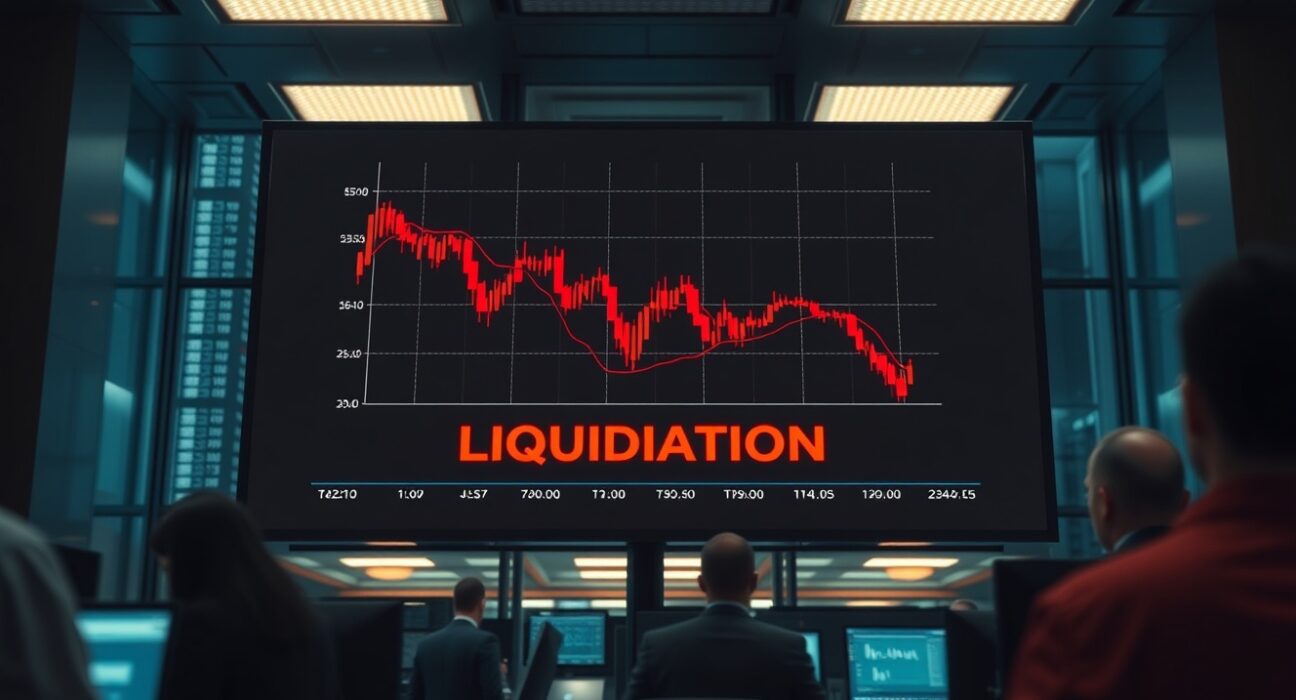
The cryptocurrency market experienced a sharp spike in volatility over the past hour, resulting in over $103 million worth of futures positions being liquidated across major exchanges. Data from multiple derivatives tracking platforms shows that within the last 24 hours, total liquidations have reached approximately $270 million, indicating a significant shift in market sentiment.
What Triggered the Liquidations?
The sudden wave of liquidations comes amid a period of heightened uncertainty in the broader financial markets. While no single catalyst has been confirmed, traders point to a combination of factors including profit-taking after recent gains, macroeconomic data releases, and a general increase in leverage across the market. The majority of the liquidated positions were long positions, suggesting that many traders were caught off guard by the sudden downward price movement.
According to data from Coinglass, the largest single liquidation order occurred on Binance, valued at over $5 million. The majority of liquidations were concentrated in Bitcoin and Ethereum, which together accounted for more than 60% of the total liquidated value. Other major altcoins also saw significant liquidation volumes, reflecting a broad-based sell-off.
Market Context and Implications
This liquidation event is part of a larger trend of increased volatility in the crypto market. Over the past month, the total open interest in futures contracts has risen steadily, indicating that traders are taking on more risk. When prices move against leveraged positions, forced liquidations can amplify price movements, creating a cascade effect that can lead to further declines.
For traders, this serves as a reminder of the risks associated with high leverage. While futures trading can amplify gains, it also magnifies losses, and liquidation events can wipe out entire positions in a matter of minutes. Market analysts suggest that such volatility is likely to continue as the market digests recent economic data and geopolitical developments.
Why This Matters to Investors
For everyday investors, this liquidation event highlights the importance of understanding the derivatives market’s impact on spot prices. While spot trading is often seen as less risky, the interconnectedness of the market means that futures liquidations can influence overall price trends. Investors should monitor open interest and funding rates as indicators of potential volatility.
Moreover, this event underscores the need for risk management strategies, such as setting stop-loss orders and avoiding excessive leverage. The crypto market is known for its rapid price swings, and even experienced traders can face significant losses during liquidation cascades.
Conclusion
The $103 million in liquidations over the past hour, and $270 million over the last day, reflect the current high-volatility environment in the cryptocurrency market. While such events are not uncommon, they serve as a critical reminder of the risks involved in leveraged trading. As the market continues to evolve, staying informed and adopting prudent risk management practices remains essential for participants.
FAQs
Q1: What are futures liquidations?
Futures liquidations occur when a trader’s position is forcibly closed by an exchange because the margin balance falls below the required maintenance level. This typically happens when the market moves against the position, leading to a loss that exceeds the trader’s initial margin.
Q2: Why do liquidations happen in crypto?
Liquidations happen because futures trading involves leverage, allowing traders to control large positions with a relatively small amount of capital. If the price moves against the position, the exchange automatically closes it to prevent further losses, which can trigger cascading liquidations if many positions are affected.
Q3: How can traders protect themselves from liquidation?
Traders can protect themselves by using lower leverage, setting stop-loss orders, and maintaining a sufficient margin buffer. Additionally, monitoring market volatility and avoiding overexposure to a single asset can help reduce the risk of forced liquidation.
Disclaimer: The information provided is not trading advice, Bitcoinworld.co.in holds no liability for any investments made based on the information provided on this page. We strongly recommend independent research and/or consultation with a qualified professional before making any investment decisions.
