

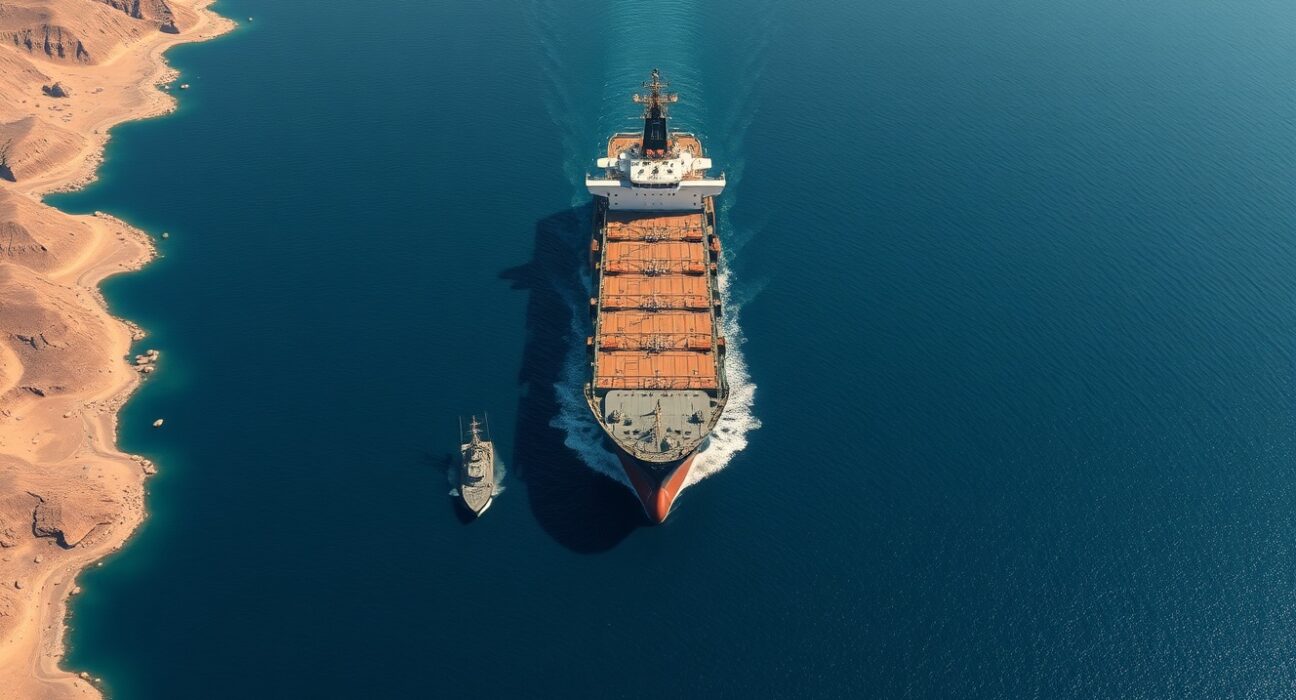
Global energy markets experienced a seismic shock on March 15, 2025, as the benchmark West Texas Intermediate (WTI) crude oil price surged past $89.00 per barrel. This dramatic increase followed an official announcement from the United States government confirming a total naval blockade of the Strait of Hormuz, a critical maritime chokepoint for global oil shipments.
WTI Oil Price Reaction to Geopolitical Shock
The immediate market reaction was both swift and severe. Trading floors witnessed a rapid price ascent, with WTI futures for May delivery climbing over 8% in early European trading hours. Consequently, this move erased the relative stability that had characterized the first quarter. Market analysts immediately cited the blockade as a classic geopolitical risk premium being priced into crude contracts. Historically, disruptions in the Hormuz corridor have triggered similar volatility spikes. For instance, the 2019 tanker attacks and the 2021 seizure of a vessel led to temporary price jumps of 4-6%. However, the scale and official nature of this current action represent a more profound systemic threat. The blockade directly threatens the transit of nearly 21 million barrels of oil per day, which represents about 21% of global liquid fuel consumption.
Anatomy of the Strait of Hormuz Blockade
The Strait of Hormuz serves as the world’s most important oil transit corridor. It is a narrow passage, only 21 miles wide at its narrowest point, connecting the Persian Gulf with the Gulf of Oman and the open ocean. The United States Fifth Fleet, based in Bahrain, is now enforcing the blockade. Official statements cite the enforcement of stringent international sanctions against Iran as the primary justification. Furthermore, the action follows a series of escalating incidents, including alleged Iranian seizures of commercial vessels and attacks on unmanned drones. The blockade mandates that all shipping, especially oil tankers, must submit to inspection and receive explicit clearance from the US Naval Central Command before transit. This process inevitably creates significant logistical delays and insurance cost escalations.
Expert Analysis on Market and Supply Chain Impacts
Energy security experts warn of immediate and long-term consequences. “This is not merely a price spike; it’s a fundamental reassessment of seaborne oil supply security,” stated Dr. Anya Sharma, Lead Analyst at the Global Energy Institute. “The market is now pricing in a prolonged period of elevated transport costs and supply uncertainty.” Refineries in Asia, which are heavily reliant on Gulf crude, are actively seeking alternative suppliers. This surge in demand is already putting upward pressure on Brent crude and other regional benchmarks. The global tanker fleet is also facing massive dislocation, as ships are rerouted around the Cape of Good Hope, adding roughly 15 days and significant cost to a journey from the Gulf to East Asia.
The historical context is critical for understanding the market’s reaction. The table below compares key Hormuz disruption events and their immediate impact on WTI prices:
| Event | Date | WTI Price Change | Duration of Major Impact |
|---|---|---|---|
| Tanker Attacks near Fujairah | May 2019 | +4.5% | ~2 weeks |
| Seizure of Stena Impero | July 2021 | +6.1% | ~3 weeks |
| US Announces Total Blockade | March 2025 | +8.3% (and ongoing) | Unknown |
Key immediate impacts include:
- Insurance Surcharges: War risk premiums for Gulf voyages have increased tenfold.
- Alternative Route Demand: Spot rates for tankers on the Africa route have surged by 150%.
- Strategic Reserve Releases: The International Energy Agency (IEA) is consulting members on a coordinated stockpile release.
- Producer Response: OPEC+ has called for an emergency meeting, though spare capacity remains limited.
Global Economic and Diplomatic Repercussions
The ramifications extend far beyond the oil pits. Firstly, higher energy costs act as a direct tax on global economic growth, threatening to reignite inflationary pressures that central banks have only recently subdued. Secondly, the diplomatic fallout is intensifying. Key US allies in Europe and Asia, while supportive of sanctions enforcement, have expressed deep concern over the unilateral nature of the action and its potential to provoke a wider regional conflict. Meanwhile, Iran has denounced the blockade as an “act of international piracy” and has threatened unspecified retaliatory measures. The situation creates a complex challenge for global diplomacy, balancing non-proliferation goals against energy market stability.
Pathways Forward and Market Stability
The future trajectory of the WTI oil price now hinges on several unresolved factors. The duration of the blockade is the primary unknown. A short-term, symbolic enforcement may see prices retreat quickly as logistical workarounds are established. Conversely, a prolonged closure would force a permanent restructuring of global oil trade flows. Additionally, the response from other major producers, namely Saudi Arabia and the United Arab Emirates, which possess pipeline capacity to bypass the Strait, will be crucial. Their ability and willingness to increase output and redirect exports will provide a key pressure valve for the market. Finally, the risk of a military miscalculation or accident in the crowded, tense waters of the Gulf remains the largest tail risk, capable of sending prices significantly higher.
Conclusion
The surge in the WTI oil price to $89.00 is a direct and potent reflection of the high-stakes geopolitics surrounding the Strait of Hormuz. The US blockade represents the most significant deliberate disruption to seaborne oil trade in decades, injecting a substantial and persistent risk premium into crude markets. While the immediate price shock is severe, the longer-term economic and diplomatic consequences will likely define global energy security for the remainder of the decade. Market participants, policymakers, and consumers must now prepare for a new era of elevated volatility and strategic competition over the world’s most critical energy corridor.
FAQs
Q1: What is the Strait of Hormuz and why is it so important for oil?
The Strait of Hormuz is a narrow maritime chokepoint between the Persian Gulf and the Gulf of Oman. It is critically important because approximately 21 million barrels of oil, about one-fifth of global daily consumption, pass through it from producers like Saudi Arabia, Iraq, and the UAE to markets worldwide.
Q2: How does a blockade directly affect the WTI oil price?
A blockade creates immediate fears of a physical supply shortage. Traders bid up prices due to the perceived risk that oil will not reach refineries. This is known as a geopolitical risk premium. It also increases shipping costs and insurance rates, which are factored into the final delivered price of crude.
Q3: Are there alternative routes for Gulf oil if the Strait is closed?
Yes, but with major limitations. Saudi Arabia and the UAE have pipelines that can redirect some oil to ports on the Red Sea (like Yanbu) and the Gulf of Oman (like Fujairah), bypassing the Strait. However, these pipelines do not have enough capacity to handle all the traffic, and other Gulf producers like Iraq, Kuwait, and Qatar have no alternative export routes.
Q4: What can lower oil prices in this situation?
Prices could moderate from current highs through a combination of: a diplomatic resolution lifting the blockade; a coordinated release of oil from global strategic petroleum reserves (SPRs); increased production from other non-Gulf producers like the US, Brazil, or Guyana; or a significant reduction in global oil demand due to the high prices.
Q5: How does this affect gasoline prices for consumers?
There is a direct correlation. Crude oil is the primary raw material for gasoline. A sustained increase in the WTI oil price will translate into higher costs for refineries, which will be passed on to consumers at the pump within a matter of weeks, increasing inflation and transportation costs globally.
Disclaimer: The information provided is not trading advice, Bitcoinworld.co.in holds no liability for any investments made based on the information provided on this page. We strongly recommend independent research and/or consultation with a qualified professional before making any investment decisions.
