

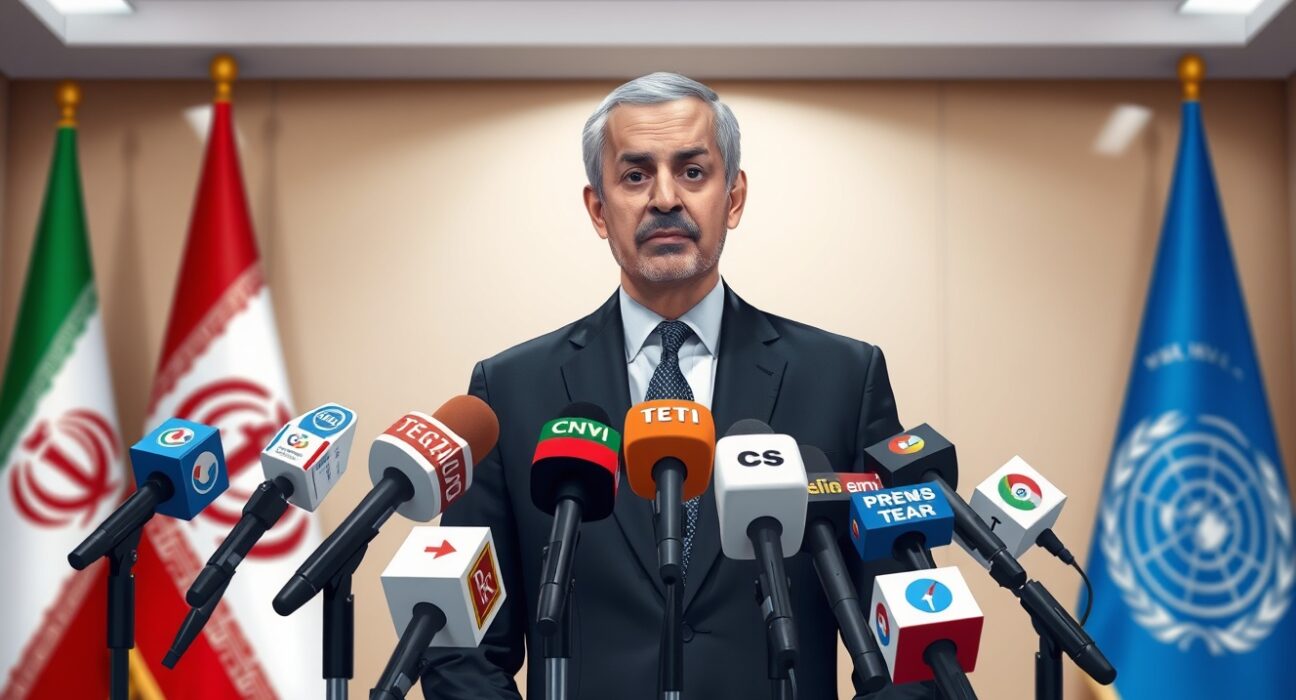
TEHRAN, Iran – March 15, 2025 – The Iranian Ministry of Foreign Affairs has officially stated that recent reports regarding an extension of a critical ceasefire remain unconfirmed, injecting significant uncertainty into delicate regional diplomatic efforts. This announcement, delivered by a ministry spokesperson and reported by Iranian state media, directly counters circulating narratives and underscores the fragile nature of current negotiations. Consequently, analysts are now reassessing the immediate prospects for de-escalation in a volatile geopolitical landscape.
Iran Ceasefire Extension Reports Lack Official Confirmation
According to a detailed statement from the Iranian Foreign Ministry’s spokesperson, the government cannot verify claims about a prolonged cessation of hostilities. The spokesperson emphasized that all diplomatic communications follow established channels. Therefore, any information not originating from these official sources should be treated as speculative. This position highlights the ministry’s strict protocol for releasing sensitive information. Furthermore, it reflects a cautious approach to managing public expectations during tense periods.
Historically, Iran has played a pivotal role in regional conflict mediation. Its diplomatic corps often engages in backchannel negotiations. For instance, past engagements in Syria and Yemen demonstrate this pattern. The current denial, however, suggests either a breakdown in talks or a strategic pause. Regional experts note that such statements often precede new diplomatic initiatives. They also serve to reset the negotiating table by dismissing leaked information.
Analyzing the Geopolitical Context and Background
The unconfirmed reports originally surfaced through regional media outlets citing unnamed sources. These sources allegedly had connections to diplomatic circles in neighboring capitals. Typically, ceasefire discussions involve multiple stakeholders, including state and non-state actors. The key parties often remain opaque to the public until agreements are finalized. This opacity fuels speculation and can lead to market volatility or shifts in military postures.
Several factors complicate the current situation:
- Multilateral Involvement: Conflicts in the region rarely involve only two parties.
- Proxy Dynamics: Various groups maintain alliances with state sponsors.
- Economic Pressures: Sanctions and oil prices influence diplomatic flexibility.
- International Monitoring: UN and other bodies seek verification of any truce.
Moreover, the timing of this denial is crucial. It comes amid renewed international efforts to broker wider regional stability. Major powers have recently increased diplomatic shuttles to the area. Their goal is often to prevent a broader confrontation. Iran’s statement, therefore, acts as a reality check for these external initiatives.
Expert Analysis on Diplomatic Signaling
Dr. Leila Karimi, a professor of Middle Eastern Studies at the University of Tehran, provides critical insight. “A denial from the Foreign Ministry is a deliberate diplomatic signal,” she explains. “It does not necessarily mean talks have failed. Instead, it can be a tool to apply pressure, clarify positions, or deny premature victories claimed by other sides. The language used is measured and leaves the door open for future confirmation.” This perspective aligns with observed state behavior in past negotiations where public posturing and private talks differ significantly.
Additionally, the role of state media in disseminating this message is telling. Iranian state media functions as the government’s primary mouthpiece for official stances. Its reporting carries the weight of a formal announcement. When such outlets broadcast a denial, it carries more authority than a simple press release. This method ensures the message reaches both domestic and international audiences simultaneously, controlling the narrative effectively.
The Impact on Regional Stability and Global Perceptions
The immediate effect of this announcement is a cooling of optimism. Markets sensitive to regional stability may react negatively. Energy futures, for example, often fluctuate based on Middle East peace prospects. Security analysts also note that armed factions on the ground may interpret the denial as a sign to maintain readiness. This could lead to localized escalations even if broader talks continue privately.
A comparison of recent diplomatic statements reveals a pattern:
| Date | Event | Iranian Stance | Outcome |
|---|---|---|---|
| Jan 2025 | Preliminary Truce Talks | Cautiously Optimistic | 72-hour humanitarian pause |
| Feb 2025 | Extension Rumors | No Official Comment | Talks continued quietly |
| Mar 2025 | Current Reports | Explicit Denial | Uncertainty, renewed diplomacy |
This timeline shows a progression from engagement to public management of expectations. The latest denial is the most definitive public stance, suggesting a critical juncture. Observers must now watch for follow-up actions, not just words. These actions include troop movements, humanitarian access changes, or shifts in rhetoric from allied groups.
Conclusion
The Iranian Foreign Ministry’s statement that ceasefire extension reports are unconfirmed serves as a crucial reminder of the complexities inherent in conflict diplomacy. It underscores the gap between rumor and official communication in high-stakes negotiations. The path forward remains uncertain, hinging on verified developments from authoritative channels. Ultimately, this episode highlights the importance of patience and scrutiny when assessing claims of diplomatic breakthroughs in the volatile Middle East.
FAQs
Q1: What exactly did the Iranian Foreign Ministry say about the ceasefire reports?
The ministry’s spokesperson, through state media, explicitly stated that reports of a ceasefire extension have not been confirmed through official diplomatic channels.
Q2: Why would Iran deny these reports if negotiations might still be happening?
Diplomatic denials can serve multiple purposes: controlling public narrative, applying pressure in talks, denying premature claims by adversaries, or clarifying that no final agreement has been reached.
Q3: How does this announcement affect the broader region?
It introduces uncertainty, potentially affecting regional stability, energy markets, and the operational posture of various armed groups involved in the conflict.
Q4: What should we look for next following this denial?
Key indicators include official statements from other involved nations, changes in on-the-ground military activity, humanitarian corridor developments, and any scheduled diplomatic meetings.
Q5: How reliable are reports from unnamed sources in Middle East diplomacy?
While sometimes insightful, such reports are inherently speculative until confirmed by official government statements or credible international bodies. They often represent trial balloons or disinformation.
Disclaimer: The information provided is not trading advice, Bitcoinworld.co.in holds no liability for any investments made based on the information provided on this page. We strongly recommend independent research and/or consultation with a qualified professional before making any investment decisions.
