

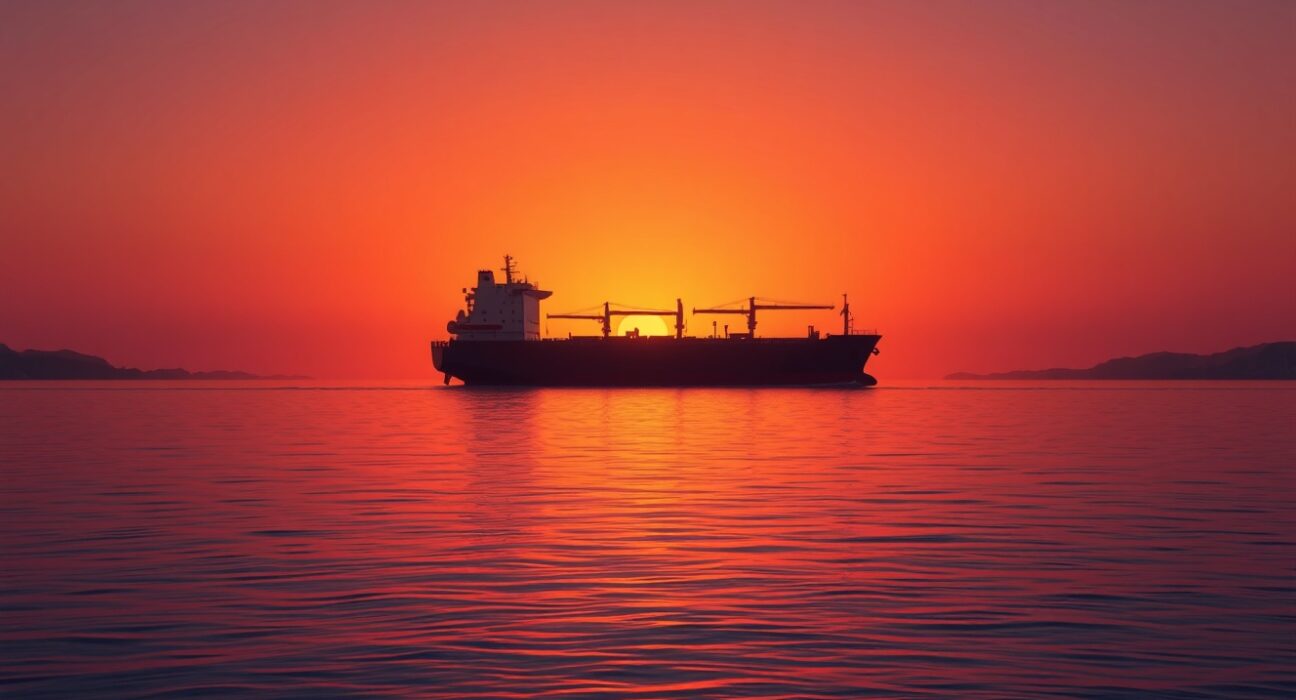
Global energy markets face escalating threats from geopolitical tensions and potential chokepoint disruptions, according to recent analysis from Rabobank. The financial institution’s research highlights how conflict risks and strategic waterway vulnerabilities could significantly impact oil supply chains and pricing stability worldwide. These developments carry profound implications for economies, industries, and consumers across multiple continents.
Oil Market Risks: Understanding the Current Geopolitical Landscape
Rabobank’s comprehensive assessment identifies several overlapping risk factors currently affecting global oil markets. Regional conflicts in key production areas create immediate supply concerns. Additionally, political instability in transit nations compounds these challenges. The bank’s analysts note that these tensions have already contributed to price volatility throughout recent quarters. Market participants must therefore monitor multiple flashpoints simultaneously.
Historical data reveals that geopolitical events typically cause temporary price spikes. However, structural changes in global alliances may create longer-term impacts. The current multipolar world order introduces new complexities to energy diplomacy. Consequently, traditional risk assessment models require constant updating. Rabobank emphasizes that scenario planning has become essential for energy companies and governments alike.
Historical Context and Evolving Threats
Energy security concerns are not new, but their nature continues to evolve. The 1973 oil embargo demonstrated how political decisions could disrupt global markets. More recently, attacks on infrastructure have shown the vulnerability of distributed supply chains. Rabobank’s analysis connects these historical patterns to contemporary risks. The institution’s researchers employ sophisticated modeling to project potential outcomes.
Strait of Hormuz Disruption: Assessing the Critical Chokepoint
The Strait of Hormuz represents perhaps the single most important oil transit corridor globally. Approximately 21 million barrels pass through this narrow waterway daily. This volume represents about one-fifth of global oil consumption. Any significant disruption would therefore have immediate worldwide consequences. Rabobank’s analysis examines multiple potential disruption scenarios with varying severity levels.
Several factors contribute to the strait’s vulnerability. Its narrow geography limits navigation options for large vessels. Political tensions among bordering nations create diplomatic challenges. Furthermore, military assets in the region remain on high alert. The bank’s report details how even temporary closures could trigger rapid price increases. These increases would likely persist until alternative routing became established.
- Transit Volume: 21 million barrels per day
- Global Share: Approximately 20-21% of oil trade
- Primary Users: GCC producers supplying Asian markets
- Alternative Routes: Limited and higher-cost options
Economic Impacts of Supply Disruption
Rabobank economists have modeled the potential economic consequences of Strait of Hormuz disruptions. Their findings suggest that a one-month closure could reduce global GDP growth by 0.5-0.8 percentage points. Emerging economies in Asia would experience the most severe impacts. These nations rely heavily on Middle Eastern crude imports. Industrial sectors with high energy intensity would face particular challenges.
| Scenario | Duration | Price Impact | GDP Effect |
|---|---|---|---|
| Minor disruption | 1-2 weeks | +15-25% | -0.1 to -0.3% |
| Partial closure | 1 month | +40-60% | -0.5 to -0.8% |
| Complete closure | 3+ months | +80-120% | -1.5 to -2.2% |
Conflict Risks in Major Producing Regions
Beyond transit chokepoints, production areas themselves face increasing instability. Rabobank identifies several regions where conflict risks have escalated recently. The Middle East continues to experience periodic tensions between state and non-state actors. Meanwhile, political transitions in some African producers create uncertainty. These developments occur against a backdrop of changing global power dynamics.
The bank’s security analysts assess both conventional and asymmetric threats. Traditional military conflicts between states represent one category of risk. However, cyberattacks on infrastructure present growing concerns. Additionally, political protests affecting oil facilities have increased in frequency. Rabobank recommends that energy companies develop comprehensive risk mitigation strategies addressing all threat vectors.
Expert Perspectives on Risk Management
Rabobank’s energy specialists emphasize the importance of diversified supply sources. They note that companies with global portfolios typically demonstrate greater resilience. Strategic stockpiling also provides important buffers during disruptions. Furthermore, contractual flexibility allows buyers to respond to changing market conditions. The bank advises clients to maintain multiple transportation options where feasible.
Global Energy Security and Strategic Responses
National governments and international organizations have developed various responses to these oil market risks. Strategic petroleum reserves represent one common approach. Many nations maintain emergency stockpiles equivalent to 90 days of imports. International coordination through the IEA provides another layer of security. Additionally, diplomatic efforts aim to reduce tensions in critical regions.
Rabobank’s analysis suggests that energy transition efforts may eventually reduce these vulnerabilities. However, oil will likely remain crucial for transportation and industry for decades. Therefore, managing current risks remains essential. The bank advocates for continued investment in supply chain resilience. This includes both physical infrastructure and diplomatic relationships.
- Strategic Reserves: 90-day import coverage standard
- International Coordination: IEA emergency response mechanisms
- Infrastructure Investment: Redundant systems and secure facilities
- Diplomatic Engagement: Conflict prevention and resolution efforts
Market Mechanisms and Price Discovery
Financial markets play important roles in managing oil market risks. Futures contracts allow producers and consumers to hedge against price volatility. Options markets provide additional flexibility for managing uncertainty. Rabobank’s commodities team notes that trading volumes typically increase during periods of geopolitical tension. This liquidity helps facilitate price discovery under stressful conditions.
Conclusion
Rabobank’s analysis underscores the persistent oil market risks stemming from geopolitical conflicts and strategic chokepoint vulnerabilities. The Strait of Hormuz remains particularly critical to global energy security. While various mitigation strategies exist, complete risk elimination remains impossible. Market participants must therefore maintain vigilance and adaptability. Continued monitoring of geopolitical developments will prove essential for navigating the complex energy landscape ahead.
FAQs
Q1: What percentage of global oil trade passes through the Strait of Hormuz?
Approximately 20-21% of global oil trade, or about 21 million barrels per day, transits the Strait of Hormuz, making it the world’s most important oil chokepoint.
Q2: How do geopolitical conflicts typically affect oil prices?
Geopolitical conflicts in major producing or transit regions typically cause temporary price spikes due to supply concerns, though the duration and magnitude depend on the conflict’s scale and location.
Q3: What are the main alternative routes if the Strait of Hormuz closes?
Alternative routes include pipelines across the Arabian Peninsula, though these have limited capacity, and longer sea routes around Africa, which significantly increase transportation costs and time.
Q4: How do strategic petroleum reserves help manage oil market risks?
Strategic petroleum reserves provide emergency supply buffers during disruptions, helping stabilize markets and prices while alternative arrangements are made, typically covering 90 days of net imports for IEA members.
Q5: What role do financial markets play in managing oil price volatility?
Futures and options markets allow producers, consumers, and investors to hedge against price volatility, providing liquidity and facilitating price discovery even during periods of geopolitical tension.
Disclaimer: The information provided is not trading advice, Bitcoinworld.co.in holds no liability for any investments made based on the information provided on this page. We strongly recommend independent research and/or consultation with a qualified professional before making any investment decisions.
