

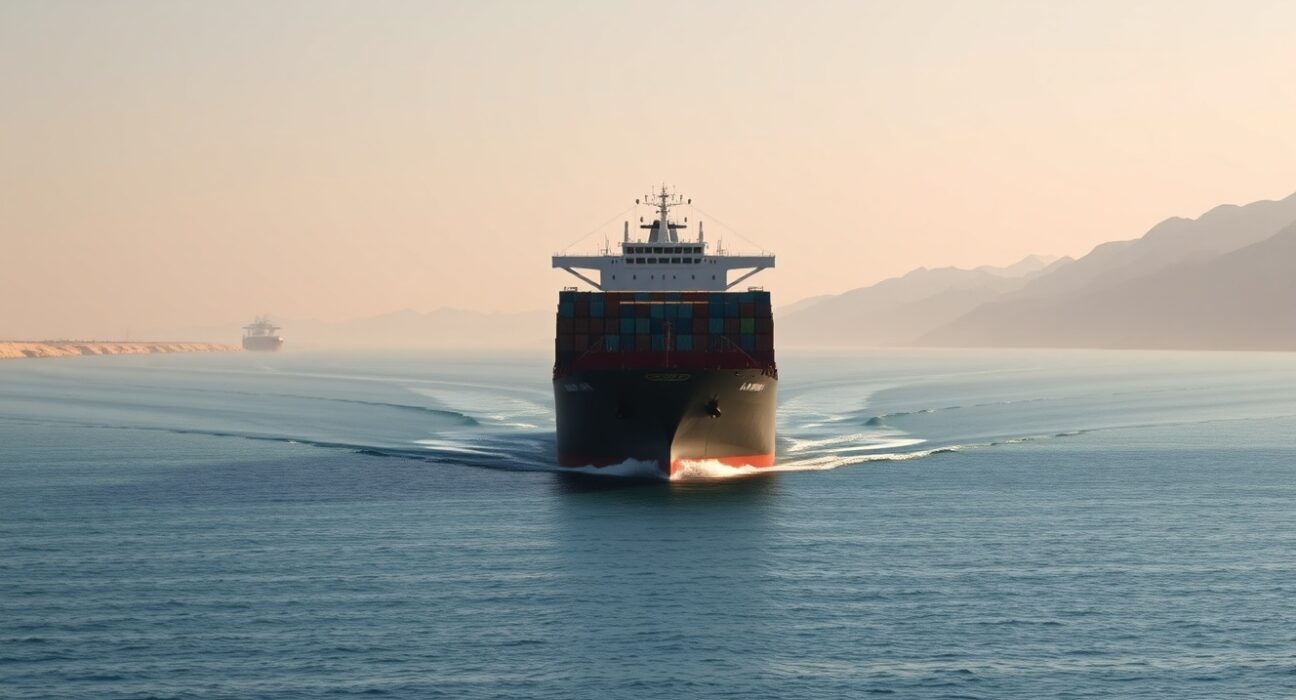
Global financial markets experienced a dramatic realignment on March 15, 2025, as the simultaneous reopening of a critical geopolitical chokepoint and shifting central bank expectations triggered historic moves in key asset classes. The price of gold surged to a new annual high, while benchmark crude oil prices witnessed a sharp decline. Concurrently, traders significantly increased bets on imminent interest rate cuts by the U.S. Federal Reserve, creating a potent trifecta of market-moving events.
Gold Rises on Safe-Haven Demand and Monetary Policy Shift
The immediate catalyst for gold’s ascent was the announced reopening of the Strait of Hormuz by Iranian authorities. This vital waterway facilitates the transit of roughly one-fifth of the world’s seaborne oil. Historically, any disruption or potential for conflict in the region triggers a flight to safety. Investors, therefore, flocked to traditional safe-haven assets like gold. Furthermore, strengthening expectations for Federal Reserve rate cuts provided a powerful secondary tailwind. Lower interest rates reduce the opportunity cost of holding non-yielding bullion and typically weaken the U.S. dollar, in which gold is priced.
Market data from the London Bullion Market Association showed spot gold trading above $2,450 per ounce, a gain of over 3.5% for the session. Analysts at major institutions pointed to a clear pattern. “The market is pricing in a dual narrative,” noted a report from Goldman Sachs Commodities Research. “Geopolitical de-escalation in one theater is being overwhelmingly overshadowed by the macroeconomic implications of easier monetary policy.” The following table illustrates the key drivers behind gold’s movement:
| Driver | Impact on Gold | Mechanism |
|---|---|---|
| Hormuz Reopening | Positive | Reduced immediate war premium in oil, but increased long-term strategic uncertainty boosts safe-haven demand. |
| Fed Rate Cut Expectations | Strongly Positive | Lower real yields and a softer U.S. dollar increase gold’s attractiveness. |
| Broad Market Volatility | Positive | Equity market swings drive capital into perceived stable stores of value. |
Oil Plunges as Supply Fears Recede
In stark contrast, global oil benchmarks Brent Crude and West Texas Intermediate (WTI) fell precipitously. The reopening of the Strait of Hormuz alleviated fears of a near-term supply disruption that had buoyed prices for weeks. With the key transit route secured, the market quickly refocused on underlying fundamentals, including ample inventories and concerns over demand growth. The price of Brent crude futures dropped by nearly 8%, falling below $75 per barrel.
Energy market strategists emphasized the swift repricing. “The risk premium built around Hormuz has evaporated almost overnight,” stated Fatih Birol, Executive Director of the International Energy Agency, in a public briefing. “The market is now confronting the reality of balanced-to-soft fundamentals. However, we caution that structural vulnerabilities in this corridor remain.” The rapid decline was exacerbated by algorithmic trading models, which triggered sell orders as key technical support levels were breached.
Expert Analysis on the Commodities Divergence
The opposing trajectories of gold and oil highlight a complex market environment. According to Dr. Rebecca Chen, Chief Strategist at the Global Macro Advisory Group, this divergence is rational. “Gold is responding primarily to financial conditions—the expected Fed pivot. Oil is reacting to a specific geopolitical development easing physical supply concerns. This decoupling is a classic feature of markets where monetary policy signals overpower individual commodity stories.” Chen’s analysis, referencing Federal Open Market Committee (FOMC) communications and shipping traffic data, supports the view that the Fed’s outlook is the dominant macro force.
Federal Reserve Rate Cut Bets Strengthen
The third pillar of the day’s market action was a significant repricing of interest rate expectations. Futures contracts tied to the Fed’s policy rate now imply a greater than 80% probability of a rate cut at the June 2025 FOMC meeting, up from 55% just one week prior. This shift followed the latest U.S. Consumer Price Index (CPI) report, which showed inflation cooling more than anticipated, and weaker-than-expected retail sales data.
The strengthening bets have profound implications:
- Currency Markets: The U.S. Dollar Index (DXY) fell sharply, boosting dollar-denominated commodities like gold.
- Equity Markets: Technology and growth stocks rallied on the prospect of lower discount rates for future earnings.
- Bond Markets: Treasury yields declined across the curve, particularly in the 2-year tenor, which is most sensitive to Fed policy.
Former Fed Governor Kevin Warsh commented, “The data dependency the Chair emphasizes is now cutting in a clear direction. The committee appears to be gaining the confidence it sought to begin normalizing policy away from its restrictive stance.” This monetary policy pivot is the overarching theme connecting the disparate asset moves.
Conclusion
The events of March 15, 2025, demonstrate the interconnected nature of modern global finance. The gold price rally, driven by safe-haven flows and anticipatory monetary easing, coexisted with an oil price crash prompted by the resolution of a specific supply risk. The common thread remains the heightened expectation for Federal Reserve rate cuts, which is recalibrating asset valuations worldwide. While the Strait of Hormuz reopening provided the immediate trigger, the underlying shift in the interest rate landscape is the more powerful and enduring force currently shaping market trajectories. Investors will now watch closely for confirmation from upcoming economic data and official Fed communications.
FAQs
Q1: Why did gold go up if the Strait of Hormuz reopening reduced geopolitical risk?
Gold’s rise was primarily fueled by strengthening bets on Federal Reserve interest rate cuts, which lower the opportunity cost of holding bullion and weaken the U.S. dollar. This monetary policy expectation outweighed the short-term geopolitical de-escalation.
Q2: How does the Federal Reserve cutting rates affect oil prices?
Rate cuts can stimulate economic growth, potentially increasing long-term demand for oil. However, in this instance, the immediate physical supply effect from the Hormuz reopening—flooding the market with relief—dominated the price action, causing a sharp drop.
Q3: What is the strategic importance of the Strait of Hormuz?
The Strait of Hormuz is a narrow maritime chokepoint between Oman and Iran. It is arguably the world’s most important oil transit route, with an estimated 20-21 million barrels of oil per day passing through it, representing about one-fifth of global seaborne oil trade.
Q4: What economic data is pushing the Fed toward rate cuts?
Recent data showing inflation cooling faster than expected (as per the CPI report) and signs of softening consumer demand (like weak retail sales) are giving the Federal Reserve confidence that price pressures are subsiding, allowing for a less restrictive policy.
Q5: Could this trend for gold and oil reverse quickly?
Yes. Financial markets are dynamic. If upcoming inflation data comes in hot, Fed rate cut expectations could diminish, pressuring gold. Conversely, any new threat to oil shipments or a major OPEC+ supply cut could swiftly reverse the decline in crude prices.
Disclaimer: The information provided is not trading advice, Bitcoinworld.co.in holds no liability for any investments made based on the information provided on this page. We strongly recommend independent research and/or consultation with a qualified professional before making any investment decisions.
