

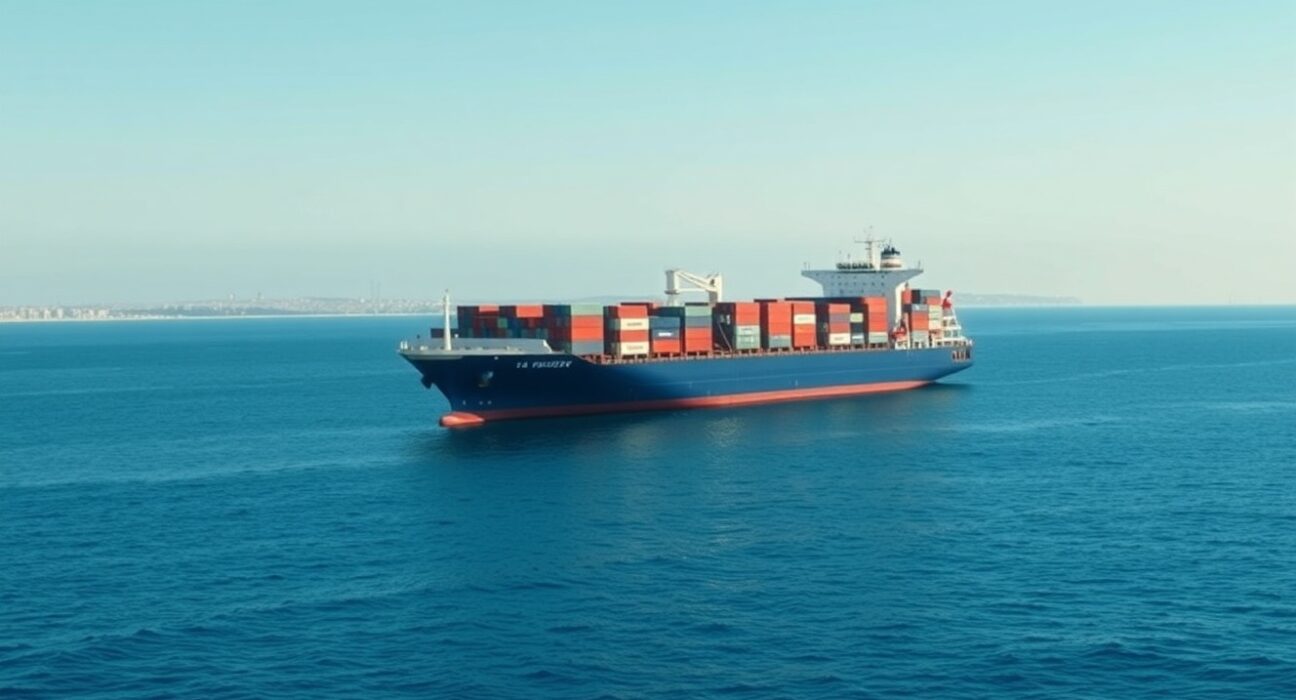
GENEVA, April 17 – The International Maritime Organization (IMO) has issued an urgent alert regarding a severe maritime crisis unfolding in the Persian Gulf. Secretary-General Dominguez confirmed that approximately 20,000 sailors remain stranded aboard over 2,000 commercial vessels. This situation presents an immediate humanitarian concern and a significant disruption to global trade flows through one of the world’s most critical shipping chokepoints.
Persian Gulf Shipping Crisis: Scale and Immediate Impact
The International Maritime Organization’s statement reveals the staggering scope of the current disruption. Consequently, thousands of seafarers from numerous nations face extended confinement on their ships. These vessels, ranging from oil tankers to container ships, are effectively immobilized. The Strait of Hormuz, a narrow passage through which about 21 million barrels of oil transit daily, represents the focal point of this crisis. Furthermore, the inability to move these ships creates a cascading logistical nightmare for global supply chains already under strain.
Secretary-General Dominguez explicitly called for intensified diplomatic efforts from member states. His primary objective is to coordinate and support comprehensive evacuation plans for the stranded crew. This humanitarian priority underscores the severe personal toll on sailors who have exceeded their contractual periods. Many lack clarity on their repatriation timelines, which exacerbates mental and physical fatigue.
Navigational Hazards and the Path to Normalization
Beyond the human element, Dominguez emphasized the critical need to restore safe navigation. He specifically highlighted the requirement to remove mines and other unidentified hazards threatening merchant vessels in the Strait of Hormuz. This clearance operation must occur at an appropriate and secure time to prevent further escalation. The presence of such threats effectively paralyzes maritime traffic, forcing ships to anchor indefinitely while awaiting safe passage guarantees.
The IMO chief also addressed the commercial paralysis stemming from the crisis. He stressed that resolving the situation must include providing practical guarantees to the global shipping industry. A key component is securing reasonably priced war risk insurance for vessels transiting the region. Currently, sky-high insurance premiums, known as additional premium areas (APA), make commercial voyages financially untenable for many operators. Therefore, creating a stable security framework is essential for resuming normal operations.
Historical Context and Geopolitical Complexities
This is not the first time the Strait of Hormuz has been a flashpoint. The waterway has witnessed numerous incidents, including tanker seizures and attacks, over the past decade. These events consistently trigger spikes in global oil prices and insurance costs. The current crisis, however, represents a quantitative escalation in terms of the number of vessels and personnel involved. Analysts point to ongoing regional tensions as the underlying cause, though the IMO’s statement maintains a strictly operational and humanitarian focus, avoiding attribution.
The economic ramifications are profound. The Persian Gulf region exports vast quantities of crude oil, liquefied natural gas (LNG), and refined products. A prolonged blockage or severe restriction of traffic through the Strait would have immediate global consequences. Energy markets would likely experience significant volatility, and manufacturing sectors dependent on just-in-time delivery could face severe shortages.
Global Response and Logistical Challenges
Coordinating an international response involves multiple layers of complexity. First, diplomatic channels must establish safe corridors for crew changes and supplies. Second, naval forces from various nations may need to collaborate on mine-clearing and escort duties. Third, port states in the region must agree to accept evacuated seafarers, often requiring complex visa and health protocols. The IMO acts as the central coordinating body, but its effectiveness depends wholly on member state cooperation.
The logistics of evacuating 20,000 people are daunting. It requires:
- Air and Sea Lift Capacity: Chartering flights and ferries to move personnel.
- Crew Rotation Planning: Sequencing replacements for essential vessel operations.
- Medical and Welfare Support: Addressing the health and psychological needs of fatigued crews.
- Legal and Contractual Mediation: Resolving disputes between seafarers, manning agencies, and ship owners.
The Role of Insurance and Commercial Guarantees
The shipping industry operates on thin margins and requires predictable risk assessment. Dominguez’s mention of “reasonably priced insurance” is a direct appeal to underwriters in London, Oslo, and Singapore. Historically, when war risk premiums become prohibitive, owners simply refuse to send ships into affected zones. This commercial decision, while rational for individual companies, collectively strangles trade. A potential solution involves creating a multinational risk pool or guarantee fund, backed by governments, to stabilize the insurance market during the crisis and enable vessels to sail.
Conclusion
The Persian Gulf shipping crisis detailed by the IMO represents a critical juncture for global maritime safety and trade security. The immediate plight of 20,000 stranded sailors demands a swift and coordinated humanitarian response. Simultaneously, restoring the safe and free flow of commerce through the Strait of Hormuz is vital for global economic stability. Success depends on unprecedented diplomatic cooperation to address both the urgent evacuation needs and the underlying security threats that caused this massive disruption.
FAQs
Q1: What is the International Maritime Organization (IMO) and what is its role in this crisis?
The IMO is a specialized United Nations agency responsible for regulating global shipping. Its role is to coordinate international response, establish safety standards, and facilitate diplomatic talks to resolve the crisis and ensure seafarer welfare.
Q2: Why is the Strait of Hormuz so important for global trade?
The Strait of Hormuz is a geographic chokepoint. Approximately one-third of the world’s seaborne oil and a significant volume of LNG passes through it. Any disruption there immediately impacts global energy prices and supply chains.
Q3: What are the main hazards preventing ships from sailing?
IMO Secretary-General Dominguez cited mines and other unspecified hazards. These are likely naval mines or similar explosive devices that pose an unacceptable risk to the hulls of commercial vessels, making transit unsafe without military clearance.
Q4: How does this crisis affect the average consumer?
Consumers may see higher prices for goods transported by sea, including fuel, electronics, and manufactured goods. Energy costs for electricity and transportation are particularly sensitive to disruptions in Persian Gulf oil shipments.
Q5: What happens to the ships while they are stranded?
Stranded ships anchor in designated safe areas within the Persian Gulf. Skeleton crews maintain essential systems to prevent environmental damage or accidents, but the vessels are not moving cargo, creating massive delays and contractual penalties.
Disclaimer: The information provided is not trading advice, Bitcoinworld.co.in holds no liability for any investments made based on the information provided on this page. We strongly recommend independent research and/or consultation with a qualified professional before making any investment decisions.
