

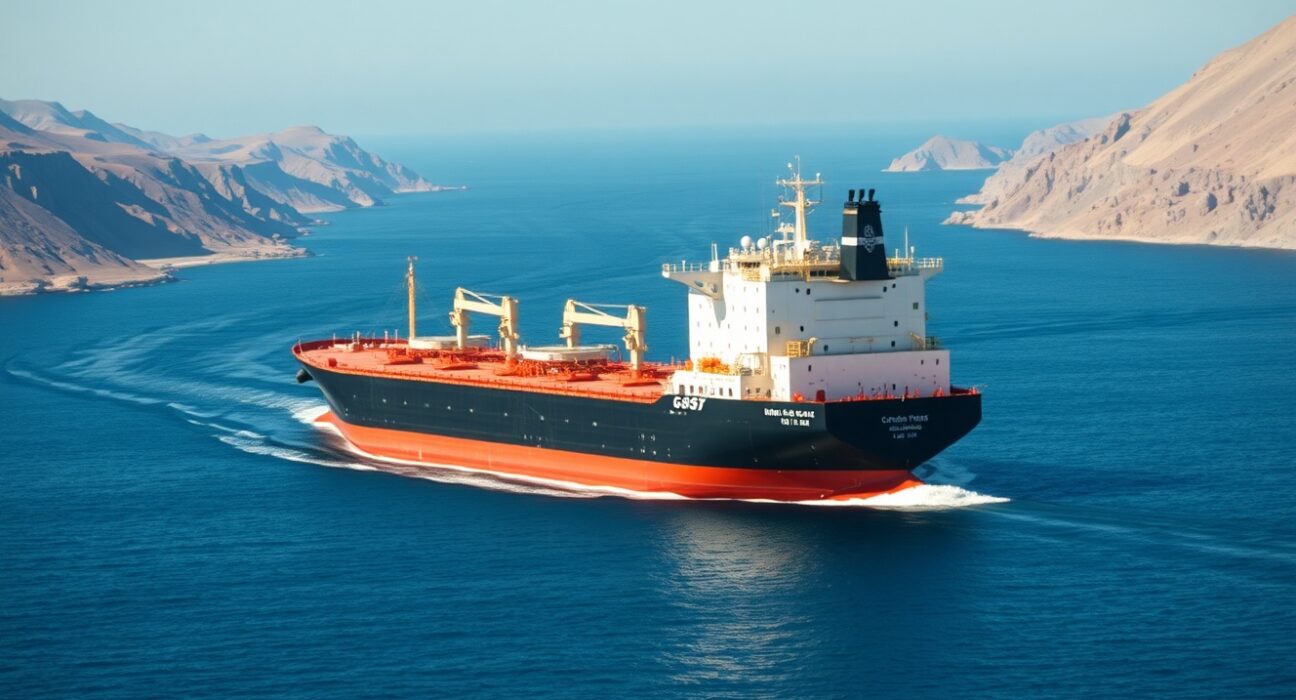
Global oil markets face persistent and critical upside price risks, analysts at Danske Bank warn, as escalating geopolitical tensions around the world’s most vital maritime chokepoints threaten to disrupt crude flows. The strategic Strait of Hormuz remains a primary flashpoint, where any incident could trigger immediate volatility and supply concerns. This analysis, grounded in historical data and current shipping patterns, underscores the fragile balance underpinning global energy security in 2025.
Oil Price Dynamics and Geopolitical Flashpoints
Geopolitical instability consistently injects a risk premium into global oil prices. This premium reflects market fears of potential supply disruptions. The Strait of Hormuz, located between Oman and Iran, serves as the world’s most important oil transit corridor. Consequently, approximately 21 million barrels of oil pass through this narrow waterway daily. That volume represents nearly one-fifth of global consumption. Major producers like Saudi Arabia, Iraq, the UAE, and Kuwait rely on the strait for exports.
Recent months have seen a noticeable increase in regional naval activity and rhetoric. For instance, incidents involving commercial shipping, while not catastrophic, have kept traders on edge. Danske Bank economists note that the current risk premium embedded in Brent crude prices remains elevated compared to periods of relative calm. They analyze this through comparative pricing models and shipping insurance data.
The Anatomy of a Chokepoint: Why the Strait Matters
The physical geography of the Strait of Hormuz creates inherent vulnerability. At its narrowest point, the shipping lane is just 21 nautical miles wide. Furthermore, the navigable channel for large vessels is only two miles wide in either direction. This creates a natural bottleneck. Any hostile action, accident, or blockade in this confined space could halt a significant portion of seaborne oil trade.
Historical precedents provide clear evidence of market sensitivity. For example, attacks on tankers in 2019 and the seizure of vessels have previously caused sharp, albeit temporary, price spikes. The global energy system has limited spare capacity to offset a major, prolonged disruption from this region. Strategic petroleum reserves held by consuming nations would provide only a temporary buffer.
Danske Bank’s Risk Assessment Framework
Danske Bank’s commodity strategy team employs a multi-factor model to assess geopolitical oil risk. Their framework evaluates military posturing, historical incident frequency, and alternative routing feasibility. Currently, their indicators signal a high-probability, high-impact risk scenario. The bank’s report highlights that while a full-scale closure remains unlikely, even minor harassments can elevate insurance costs and cause logistical delays.
These frictions directly translate into higher delivered costs for crude. The analysis references verifiable data from shipping analytics firms. This data shows a measurable increase in war risk insurance premiums for voyages through the region over the past quarter. Such tangible cost increases eventually filter through to end consumers.
Broader Market Impacts and Contingency Planning
The potential ramifications extend beyond immediate price spikes. Sustained tensions can alter long-term trade patterns and investment decisions. Some energy importers actively seek to diversify their supply sources away from the Persian Gulf. This shift, however, is slow and capital-intensive. New pipeline projects and investments in alternative routes, like the overland pipelines from the Caspian region, gain attention during these periods.
The table below outlines key alternative oil transit routes and their current capacity limits:
| Route/Corridor | Approximate Capacity (Million bpd) | Primary Limiting Factor |
|---|---|---|
| Strait of Hormuz | 21.0 | Geopolitics, Geography |
| Strait of Malacca | 16.0 | Piracy, Traffic Congestion |
| SUMED Pipeline (Egypt) | 2.8 | Fixed Infrastructure Limit |
| CPC Pipeline (Caspian) | 1.4 | Landlocked Source |
Market participants also monitor other critical passages. The Strait of Malacca and the Bab el-Mandeb Strait are secondary chokepoints. Simultaneous issues across multiple corridors would compound the supply crisis. Therefore, global logistics teams maintain detailed contingency plans. These plans include rerouting options and increased inventory holding.
Conclusion
Danske Bank’s assessment confirms that significant oil price risks remain firmly alive due to geopolitical tensions. The Strait of Hormuz, as the artery of global crude trade, represents a persistent vulnerability. Markets have priced in a steady risk premium, but this could expand rapidly with any escalation. The analysis underscores that energy security hinges not just on production, but on the secure transit of resources. Consequently, investors and policymakers must account for these chokepoint risks in their long-term energy and economic forecasts.
FAQs
Q1: What is the ‘geopolitical risk premium’ in oil prices?
The geopolitical risk premium is the additional amount buyers pay for oil due to fears of future supply disruptions from political or military conflicts. It is not based on current supply shortages but on potential future ones.
Q2: How much of the world’s oil passes through the Strait of Hormuz?
Approximately 21 million barrels per day, which is about 21% of global petroleum liquid consumption and nearly one-third of all seaborne traded oil.
Q3: What are the main alternatives if the Strait of Hormuz is blocked?
Options are limited. Some oil could be rerouted via the Red Sea and the Suez Canal or through overland pipelines like the Saudi Petroline or the UAE pipeline to Fujairah. However, these alternatives lack the capacity to handle the full volume.
Q4: How do tensions affect everyday fuel prices?
Increased risk premiums and higher shipping/insurance costs are ultimately passed down the supply chain, contributing to higher prices for gasoline, diesel, and other refined products for consumers.
Q5: What other maritime chokepoints are critical for oil shipping?
Other vital chokepoints include the Strait of Malacca (Southeast Asia), the Suez Canal, the Bab el-Mandeb Strait (off Yemen), and the Turkish Straits (Bosporus and Dardanelles).
Disclaimer: The information provided is not trading advice, Bitcoinworld.co.in holds no liability for any investments made based on the information provided on this page. We strongly recommend independent research and/or consultation with a qualified professional before making any investment decisions.
