

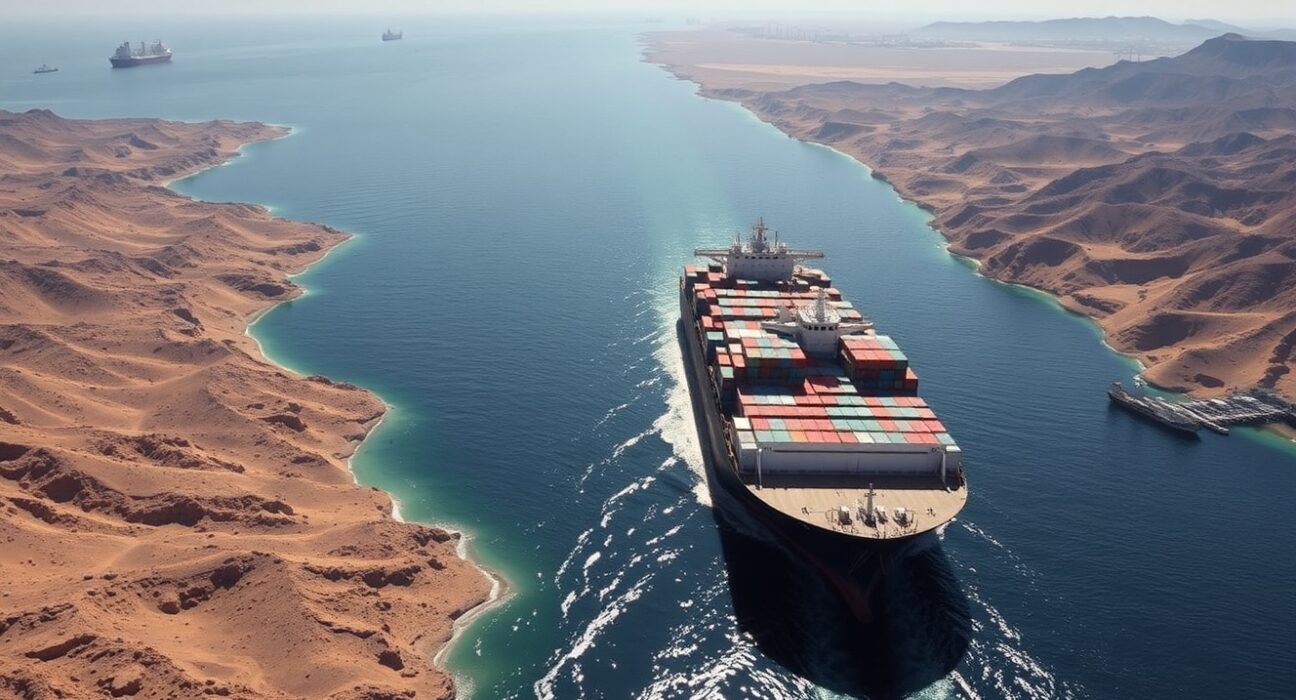
SINGAPORE, March 2025 – The USD/SGD currency pair faces significant rebound risk following recent geopolitical tensions in the Strait of Hormuz, according to fresh analysis from OCBC Bank. This development potentially signals renewed volatility for the Singapore dollar against its US counterpart. Market participants now closely monitor the critical shipping lane that handles approximately 20% of global oil shipments. Consequently, currency traders must prepare for possible fluctuations in the coming weeks.
USD/SGD Rebound Risk Analysis
OCBC’s currency strategists identify several factors contributing to potential USD/SGD appreciation. First, historical patterns show the currency pair often reacts strongly to Middle Eastern geopolitical events. Second, Singapore’s status as a major oil importer makes its currency particularly sensitive to energy market disruptions. Third, the US dollar typically strengthens during periods of global uncertainty as investors seek safe-haven assets.
The bank’s technical analysis reveals key resistance levels for the USD/SGD pair. Currently trading around 1.3450, the pair could test resistance at 1.3550 if tensions escalate further. Meanwhile, support remains firm at the 1.3350 level. OCBC’s models incorporate multiple variables including oil price movements, regional security developments, and broader dollar strength.
Historical Context and Comparative Data
Previous Hormuz incidents provide valuable context for current market reactions. During the 2019 tanker attacks, the USD/SGD pair appreciated 1.8% over three weeks. Similarly, the 2021 Iranian seizure of a South Korean tanker triggered a 1.2% move. These historical precedents suggest measurable currency impacts from regional instability.
| Event | Date | USD/SGD Change | Duration |
|---|---|---|---|
| Tanker Attacks | June 2019 | +1.8% | 3 weeks |
| Iranian Seizure | January 2021 | +1.2% | 2 weeks |
| Naval Exercises | August 2022 | +0.7% | 1 week |
Geopolitical Context of the Strait of Hormuz
The Strait of Hormuz represents one of the world’s most critical maritime chokepoints. This narrow waterway connects the Persian Gulf with the Gulf of Oman and ultimately the Arabian Sea. Approximately 21 million barrels of oil pass through daily, representing about 20% of global petroleum consumption. Furthermore, the strait handles one-third of the world’s liquefied natural gas shipments.
Recent developments have heightened regional tensions significantly. Naval patrols increased following reported incidents involving commercial shipping. Additionally, regional powers have conducted military exercises near the strategic waterway. These actions contribute to market uncertainty and potential supply chain disruptions.
Singapore’s economy remains particularly exposed to these developments for several reasons:
- Oil dependency: Singapore imports nearly all its petroleum needs
- Shipping hub: The nation serves as a major global shipping center
- Refining center: Singapore operates one of Asia’s largest refining complexes
- Trade exposure: Approximately 20% of Singapore’s trade passes near the region
Economic Impacts and Market Mechanisms
Geopolitical tensions in the Hormuz region trigger multiple economic transmission channels. First, oil price increases directly affect Singapore’s import costs and trade balance. Second, shipping insurance premiums typically rise during periods of heightened risk. Third, global trade flows may experience delays or rerouting, affecting Singapore’s port operations.
The Monetary Authority of Singapore (MAS) manages currency policy through a trade-weighted nominal effective exchange rate (S$NEER) band. Consequently, external shocks like oil price spikes can influence MAS policy settings. Historically, the central bank has allowed temporary currency weakness during supply shocks before returning to its medium-term appreciation path.
Expert Perspectives and Institutional Analysis
OCBC’s research team emphasizes the importance of monitoring several key indicators. Oil price movements provide the most immediate signal of market stress. Additionally, shipping traffic data through the strait offers real-time insights into operational disruptions. Finally, regional diplomatic developments may signal either escalation or de-escalation of tensions.
Other financial institutions have issued similar warnings about Asian currency vulnerability. For instance, DBS Bank notes that energy-importing economies throughout Asia face similar pressures. Meanwhile, UOB analysis suggests Singapore’s strong fiscal position provides some buffer against external shocks.
Broader Market Implications and Regional Effects
The potential USD/SGD rebound carries implications beyond the currency pair itself. First, Singapore government bond yields may experience upward pressure if inflation expectations rise. Second, Singapore equity markets, particularly shipping and energy sectors, could see increased volatility. Third, regional currency correlations might strengthen as Asian currencies collectively respond to oil price movements.
Comparatively, other Asian currencies exhibit different vulnerability profiles. The Japanese yen often strengthens during geopolitical uncertainty due to its safe-haven status. Conversely, the Indian rupee typically weakens significantly given India’s substantial oil imports. The Malaysian ringgit presents a mixed picture as both an oil exporter and regional economy.
Market participants should consider several risk management strategies:
- Hedging programs: Corporations with regional exposure should review currency hedging
- Portfolio adjustments: Investors might consider rebalancing toward defensive sectors
- Monitoring systems: Enhanced tracking of shipping and energy market indicators
- Scenario planning: Preparation for both escalation and resolution scenarios
Conclusion
The USD/SGD pair faces genuine rebound risk following recent Hormuz Strait developments, according to OCBC analysis. This potential movement reflects Singapore’s economic exposure to global energy markets and shipping routes. Market participants should monitor oil prices, regional security developments, and central bank communications closely. While Singapore’s strong fundamentals provide resilience, currency volatility may increase in the coming weeks. The USD/SGD trajectory will ultimately depend on both geopolitical developments and broader dollar trends.
FAQs
Q1: Why does the USD/SGD pair react to Hormuz Strait tensions?
The Singapore dollar is sensitive to oil price movements because Singapore imports nearly all its petroleum. Since approximately 20% of global oil passes through the Strait of Hormuz, disruptions there directly affect Singapore’s import costs and trade balance, potentially weakening the SGD against the USD.
Q2: How does OCBC analyze currency rebound risk?
OCBC employs technical analysis examining key support and resistance levels, fundamental analysis of economic exposure factors, and historical pattern recognition from previous geopolitical events affecting the same region and currency pair.
Q3: What historical precedents exist for USD/SGD movements during Hormuz tensions?
During the June 2019 tanker attacks, USD/SGD appreciated 1.8% over three weeks. The January 2021 Iranian tanker seizure triggered a 1.2% move. These patterns suggest measurable currency impacts from regional instability.
Q4: How might the Monetary Authority of Singapore respond to USD/SGD volatility?
The MAS manages currency through a trade-weighted exchange rate band. While allowing temporary flexibility during external shocks, the central bank typically maintains its medium-term appreciation path for the Singapore dollar, potentially intervening if volatility becomes excessive.
Q5: What other Asian currencies are most affected by Hormuz developments?
The Indian rupee typically weakens significantly due to India’s substantial oil imports. The Malaysian ringgit shows mixed effects as both an oil exporter and regional economy. The Japanese yen often strengthens during geopolitical uncertainty as a safe-haven currency.
Disclaimer: The information provided is not trading advice, Bitcoinworld.co.in holds no liability for any investments made based on the information provided on this page. We strongly recommend independent research and/or consultation with a qualified professional before making any investment decisions.
