

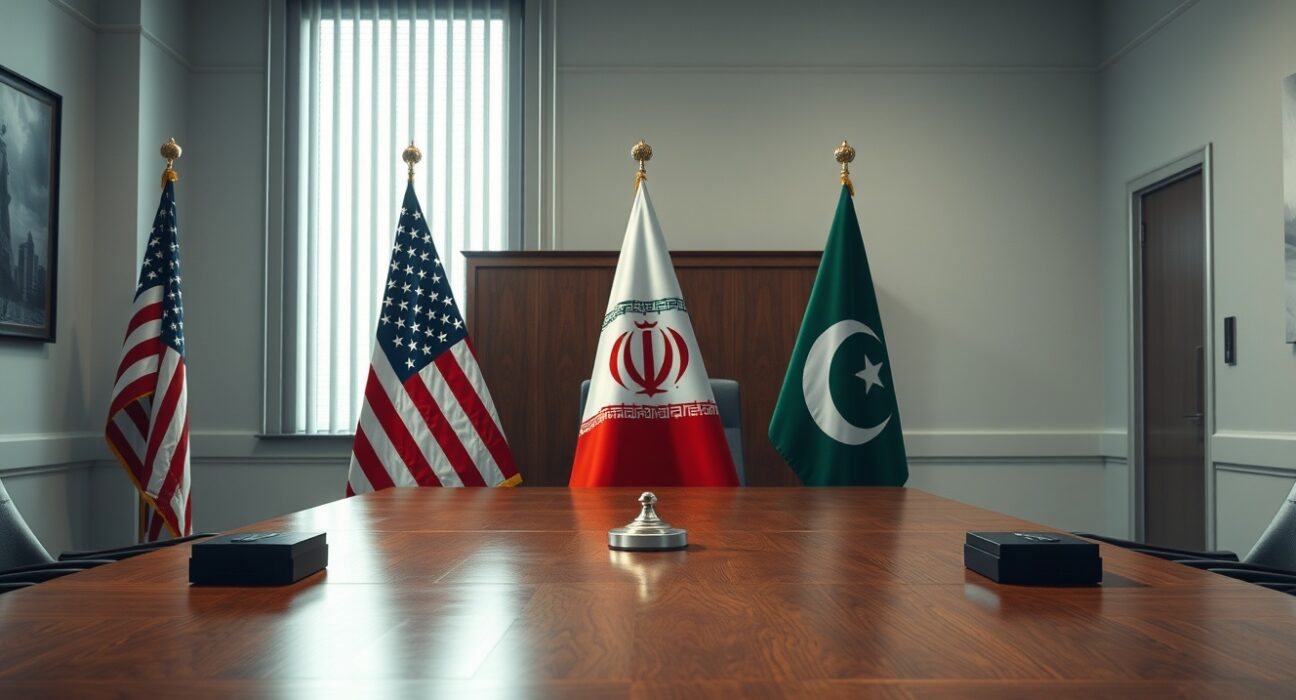
WASHINGTON, D.C. — In a significant diplomatic development, former President Donald Trump announced on April 21 a crucial extension of the military ceasefire with Iran, responding directly to an urgent request from Pakistan’s highest military and political leadership. This decision marks a pivotal moment in Middle Eastern geopolitics, potentially altering regional security dynamics and negotiation timelines.
Trump Announces Iran Ceasefire Extension
President Trump made the announcement through his Truth Social platform, revealing his decision to suspend military action against Iran. The former president explicitly linked this move to Pakistan’s intervention. Specifically, Army Chief of Staff General Qamar Javed Bajwa and Prime Minister Shehbaz Sharif formally requested the ceasefire extension. Consequently, this diplomatic maneuver demonstrates Pakistan’s growing role as a regional mediator.
The United States military will maintain its naval blockade around Iran during this period. Additionally, American forces will preserve their current state of military readiness. Trump emphasized that Iran must first present a unified negotiation proposal before substantive talks can proceed. This condition represents a significant hurdle for Iranian diplomats, who often face internal political divisions.
Pakistan’s Diplomatic Intervention
Pakistan’s decision to intervene stems from multiple strategic considerations. Firstly, regional stability directly affects Pakistan’s economic and security interests. Secondly, historical ties between Pakistan and both the United States and Iran create unique diplomatic leverage. Thirdly, Pakistan seeks to position itself as an essential mediator in Middle Eastern conflicts.
General Bajwa’s involvement carries particular significance. The Pakistani military maintains substantial influence over foreign policy matters. Moreover, Pakistan shares a 909-kilometer border with Iran, making regional tensions a direct national security concern. Recent economic agreements between Pakistan and Iran further complicate Islamabad’s diplomatic balancing act.
Regional Security Implications
Security analysts note several immediate consequences of this ceasefire extension. The continued U.S. naval blockade affects international shipping lanes, particularly in the Strait of Hormuz. Approximately 20% of global oil shipments pass through this strategic waterway. Regional powers monitor these developments closely, adjusting their own military postures accordingly.
The following table illustrates key regional military assets affected by the ceasefire:
| Country | Naval Assets in Region | Air Defense Systems | Ground Forces Alert Status |
|---|---|---|---|
| United States | Carrier Strike Group 2 | Aegis Ashore (Romania) | Heightened Readiness |
| Iran | Fast Attack Craft Fleet | Bavar-373 Systems | Maximum Alert |
| Pakistan | Frigates in Arabian Sea | HQ-9/FD-2000 | Normal Readiness |
Iran’s Negotiation Challenges
Trump’s demand for a unified Iranian proposal presents substantial difficulties for Tehran. The Iranian government typically experiences internal divisions between moderate and hardline factions. These divisions frequently manifest during international negotiations. Furthermore, upcoming presidential elections in Iran complicate consensus-building efforts.
Key obstacles facing Iranian negotiators include:
- Political fragmentation between reformists and conservatives
- Military influence from Islamic Revolutionary Guard Corps
- Economic pressures from existing sanctions
- Regional proxy commitments in Syria and Yemen
Historical precedent suggests Iran requires considerable time to develop cohesive negotiation positions. The 2015 Joint Comprehensive Plan of Action negotiations spanned nearly two years. However, current circumstances demand more rapid responses due to economic pressures and military tensions.
Timeline of Recent Events
Understanding this ceasefire extension requires examining recent diplomatic developments. The initial ceasefire began following indirect talks in Oman last month. Pakistan initiated backchannel communications shortly thereafter. These discussions gained momentum during the recent Organization of Islamic Cooperation summit. Finally, formal requests reached Washington through established diplomatic channels.
Pakistan’s mediation follows a consistent pattern in its foreign policy. Previously, Islamabad facilitated talks between the United States and the Taliban. Similarly, Pakistan maintains communication channels with all major Middle Eastern powers. This positioning enables unique diplomatic opportunities unavailable to other nations.
Military and Economic Considerations
The extended ceasefire carries significant military implications. United States Central Command maintains substantial assets in the region. These include naval vessels, aircraft squadrons, and missile defense systems. Military planners must balance readiness requirements with diplomatic objectives during this period.
Economically, the ceasefire affects global energy markets. Oil prices typically respond to Middle Eastern tensions. However, the continued naval blockade creates supply chain uncertainties. Major importers monitor these developments closely, adjusting their energy procurement strategies accordingly.
Regional economies face particular challenges. Gulf Cooperation Council members experience conflicting pressures. They seek stability while maintaining defense relationships with Western powers. Simultaneously, they pursue economic diversification initiatives that require predictable international conditions.
Conclusion
The Trump Iran ceasefire extension represents a complex diplomatic development with far-reaching implications. Pakistan’s successful intervention demonstrates its growing regional influence. However, significant challenges remain regarding Iran’s ability to present unified negotiation proposals. The continued U.S. military presence ensures pressure persists during diplomatic proceedings. Ultimately, this ceasefire extension provides temporary stability while testing the negotiation capacities of all involved parties. Regional observers will monitor subsequent developments closely, particularly regarding Iran’s internal political dynamics and Pakistan’s continuing mediation efforts.
FAQs
Q1: What prompted Pakistan to request the ceasefire extension?
Pakistan’s request stems from multiple factors including shared border security concerns, economic interests in regional stability, and strategic positioning as a diplomatic mediator between Western powers and Middle Eastern nations.
Q2: How long will the extended ceasefire last?
The ceasefire will continue until Iran submits a unified negotiation proposal and subsequent talks conclude, regardless of their outcome, according to President Trump’s announcement.
Q3: What military measures continue during the ceasefire?
The United States maintains its naval blockade of Iran and keeps military forces at heightened readiness levels, though offensive operations remain suspended.
Q4: Why does Iran struggle to present unified negotiation proposals?
Internal political divisions between reformist and conservative factions, military influence from the Revolutionary Guard, and competing regional commitments create significant coordination challenges for Iranian diplomats.
Q5: How does this development affect global energy markets?
While the ceasefire reduces immediate conflict risks, the continued naval blockade maintains uncertainty about Persian Gulf shipping routes, potentially affecting oil prices and supply chain decisions.
Disclaimer: The information provided is not trading advice, Bitcoinworld.co.in holds no liability for any investments made based on the information provided on this page. We strongly recommend independent research and/or consultation with a qualified professional before making any investment decisions.
