

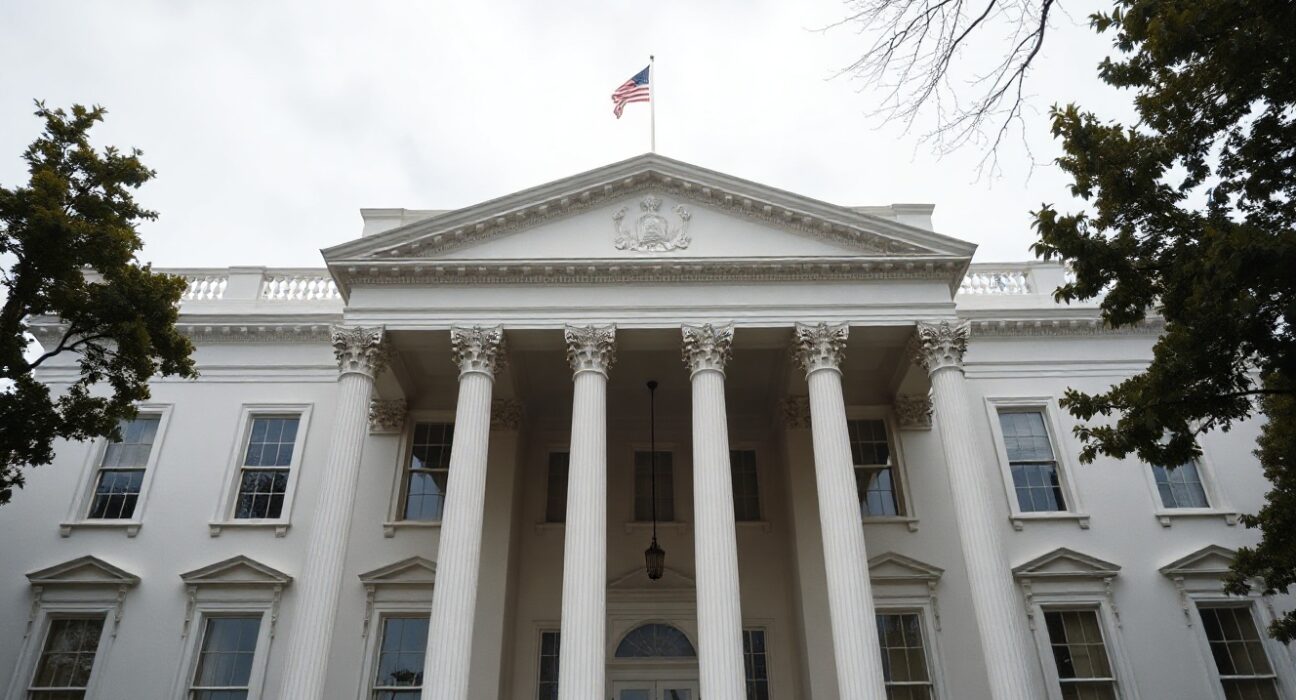
President Donald Trump said on [date] that Iran should pay for the damage it has caused across the Middle East, a statement that signals a more aggressive stance from Washington as regional tensions remain high.
Context of the Statement
The president’s remarks, made during a meeting with reporters, did not specify a particular incident but referred broadly to Iran’s military activities and support for proxy groups in countries such as Syria, Iraq, and Yemen. The statement aligns with the administration’s ongoing policy of pressuring Tehran through sanctions and diplomatic isolation.
As of [date], the U.S. has reimposed sanctions on Iranian oil exports and has increased military presence in the region. These actions follow a series of attacks on U.S. bases and commercial shipping that Washington attributes to Iran-backed forces.
Implications for U.S.-Iran Relations
Analysts suggest that the president’s demand for compensation could further complicate diplomatic efforts. Iran has repeatedly rejected any form of reparations, arguing that U.S. policies have caused instability in the region.
The statement comes amid ongoing negotiations over Iran’s nuclear program, with both sides expressing willingness to talk but also maintaining firm positions. The president’s words may be aimed at domestic audiences, but they also send a signal to Tehran that the U.S. expects accountability for actions that harm American interests.
Why This Matters
For readers, this development matters because it could influence oil prices, global security, and the lives of millions in the region. The U.S. and Iran have been on the brink of confrontation before, and any escalation carries significant risks.
Understanding the context helps clarify that this is not just a rhetorical statement but part of a broader strategy that includes economic pressure and military deterrence.
Conclusion
President Trump’s call for Iran to pay for regional damage is a notable escalation in tone, reflecting the administration’s hardline approach. The situation remains fluid, and further developments are expected as both sides navigate a complex geopolitical landscape.
FAQs
Q1: What did President Trump say about Iran?
He said that Iran should pay for the damage it has caused in the Middle East, though he did not specify any particular event or amount.
Q2: How has the U.S. responded to Iran’s actions?
The U.S. has imposed sanctions, increased military presence, and called for international pressure on Iran to change its behavior.
Q3: Could this lead to conflict?
While tensions are high, both sides have shown interest in avoiding a full-scale war. The situation is monitored closely by international observers.
Disclaimer: The information provided is not trading advice, Bitcoinworld.co.in holds no liability for any investments made based on the information provided on this page. We strongly recommend independent research and/or consultation with a qualified professional before making any investment decisions.
