

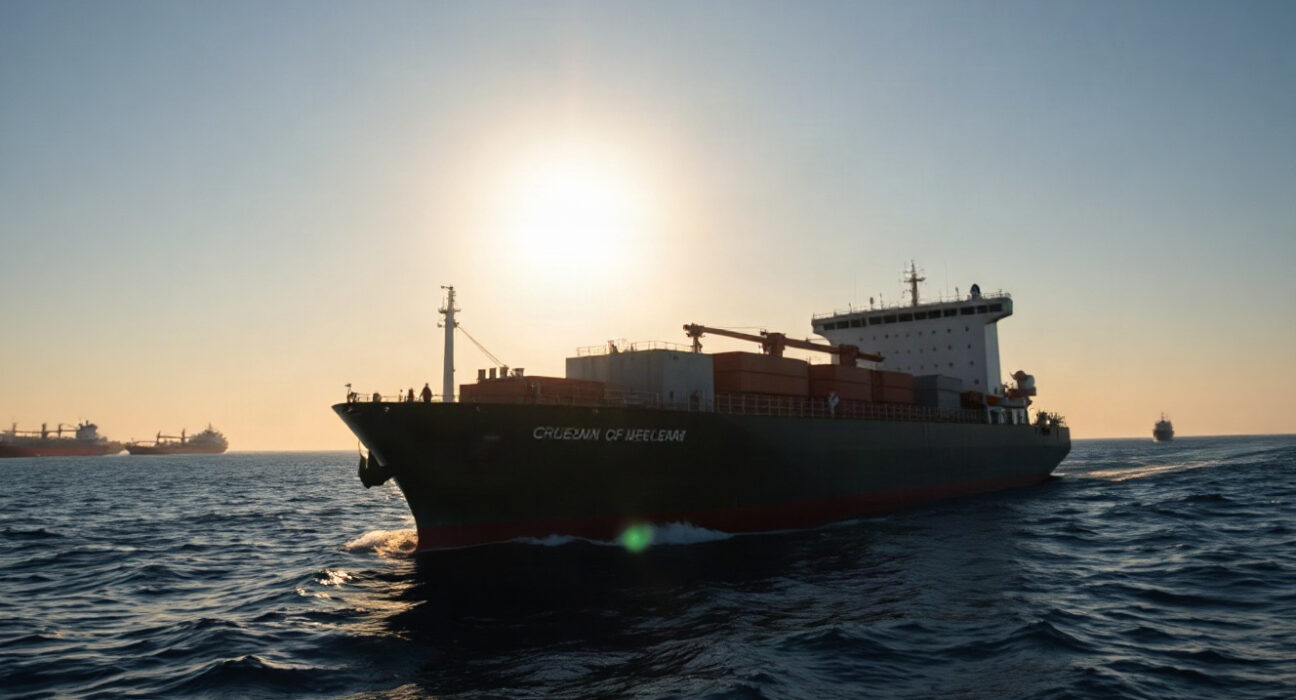
Brent crude futures remained supported above $90 per barrel on [current date], as ongoing tensions in the Strait of Hormuz continue to stoke supply concerns, according to analysts at ING.
Geopolitical Risk Premium Persists
The Strait of Hormuz, a critical chokepoint for global oil shipments, has been a focal point for traders as geopolitical risks escalate. ING notes that the market is pricing in a persistent risk premium due to the potential for supply disruptions in the region. The strait handles roughly 20% of global oil consumption, making any threat to its security a major factor in price formation.
Recent incidents and heightened military posturing have kept the market on edge, preventing a significant pullback in prices. While actual supply flows have not been severely impacted, the threat alone is enough to maintain a floor under Brent. This situation underscores the delicate balance between geopolitical risk and physical supply availability.
Market Fundamentals and Outlook
Beyond geopolitical factors, market fundamentals are also lending support to prices. OPEC+ production cuts, combined with robust demand in key consuming regions, have tightened the market balance. Inventories in major economies have drawn down in recent weeks, reflecting stronger-than-expected consumption.
ING’s analysis suggests that unless there is a de-escalation in the region, prices are likely to remain elevated in the near term. However, the bank also cautions that a resolution of tensions could trigger a sharp correction, as the risk premium would quickly unwind. Traders are closely watching diplomatic efforts and any signs of a shift in military posture.
Implications for Consumers and Economies
Sustained high oil prices have broad economic implications. For importing nations, elevated energy costs can feed into inflation, potentially prompting central banks to maintain tighter monetary policy. This dynamic is particularly relevant as several economies are still grappling with inflationary pressures.
For consumers, higher fuel prices may erode purchasing power and dampen discretionary spending. The energy sector, meanwhile, stands to benefit from the price environment, though companies face uncertainty from potential supply disruptions. The situation remains fluid, and market participants should brace for continued volatility.
Conclusion
Brent crude’s persistence above $90 is a direct reflection of the geopolitical risk premium stemming from Hormuz tensions, as highlighted by ING. With supply concerns likely to persist until there is a tangible de-escalation, prices may remain supported in the short term. However, the market is vulnerable to sharp swings should the geopolitical landscape shift. Investors and consumers alike should monitor developments closely.
FAQs
Q1: Why is the Strait of Hormuz important for oil prices?
The Strait of Hormuz is a vital shipping route for about 20% of global oil consumption. Any threat to its security can disrupt supply chains, leading to higher oil prices due to the risk of supply shortages.
Q2: How long can oil prices stay above $90?
The duration depends on geopolitical developments. If tensions ease, prices could quickly drop as the risk premium unwinds. Conversely, sustained instability could keep prices elevated for an extended period.
Q3: What factors are supporting oil prices besides Hormuz?
OPEC+ production cuts, strong demand, and declining inventories are key fundamental supports. These factors, combined with the geopolitical risk premium, are keeping prices elevated.
Disclaimer: The information provided is not trading advice, Bitcoinworld.co.in holds no liability for any investments made based on the information provided on this page. We strongly recommend independent research and/or consultation with a qualified professional before making any investment decisions.
