

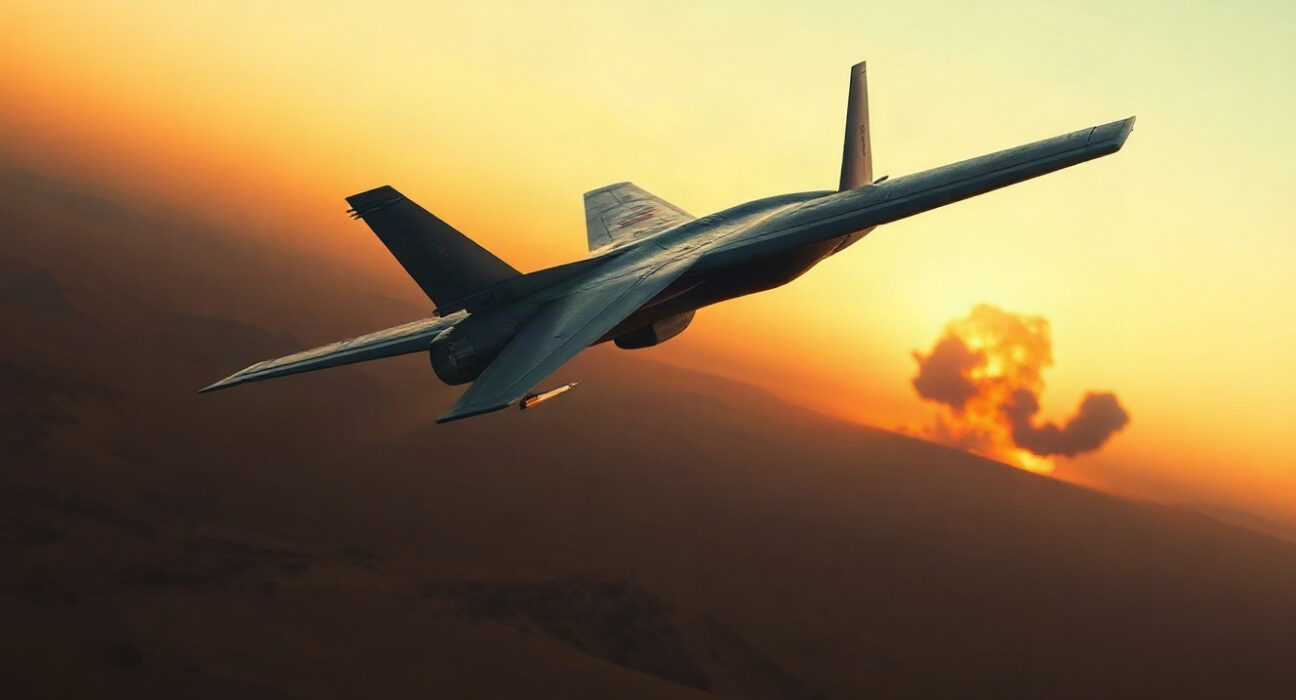
The United States military conducted strikes on Iranian rocket launchers in the Middle East, marking the first such attack in a week, according to defense officials. The operation targeted launchers that posed a direct threat to US forces and coalition partners in the region.
What We Know About the Strikes
The strikes were carried out in eastern Syria, a region where Iranian-backed militias have established a significant presence. US Central Command (CENTCOM) confirmed the operation, stating that the launchers were located and destroyed to prevent an imminent attack on US personnel. The action follows a period of relative calm, as previous US strikes in the region had ceased for several days.
The decision to strike came after intelligence indicated that the rocket launchers were being prepared for use against US bases. The military acted to preemptively neutralize the threat, a tactic that has been employed multiple times in recent months. No US casualties were reported in the operation, and the extent of any militant casualties remains unclear.
Context and Background
The US has maintained a military presence in Syria and Iraq to counter the remnants of ISIS and to support local partners. However, this presence has frequently come under attack by Iranian-backed militias, who view US forces as occupiers. In response, the US has periodically conducted retaliatory and preemptive strikes, leading to a cycle of violence that has escalated tensions across the region.
This latest strike is notable because it breaks a week-long pause in US military action against Iranian proxies. The pause may have been an attempt to de-escalate, but the continued threat posed by the launchers forced the US to act. The attack also comes amid broader diplomatic efforts to manage the conflict, including ongoing negotiations over Iran’s nuclear program.
Why This Matters
This strike underscores the fragile security situation in the Middle East and the persistent risk of a wider conflict. The US is walking a fine line between deterring attacks and avoiding a full-scale war with Iran. Each strike risks provoking a retaliatory response, which could spiral into a broader confrontation. For readers, this means continued volatility in global energy markets and a potential for increased instability in the region.
International Reactions and Implications
The international community has reacted with caution. The United Nations has called for restraint, while allies like the UK and France have expressed support for the US’s right to self-defense. Iran, through state media, condemned the strikes and vowed to respond, though no major retaliation had been reported as of this writing. The strikes may also impact ongoing diplomatic talks, with some analysts suggesting that such military actions could undermine negotiations.
Conclusion
The US military’s strike on Iranian rocket launchers marks a significant escalation after a week of relative calm. The operation was a direct response to an imminent threat, but it also highlights the volatile nature of the US-Iran standoff. As both sides continue to test each other’s resolve, the risk of miscalculation remains high, making the situation one to watch closely.
FAQs
Q1: What did the US military strike?
The US military struck Iranian rocket launchers located in eastern Syria, which were deemed an imminent threat to US forces.
Q2: Why did the US conduct this strike now?
The strike was conducted after intelligence indicated the launchers were being prepared for use against US bases, prompting a preemptive action.
Q3: What are the potential consequences of this strike?
The strike could escalate tensions with Iran, potentially leading to retaliatory attacks on US forces or interests, and may impact broader diplomatic efforts in the region.
Disclaimer: The information provided is not trading advice, Bitcoinworld.co.in holds no liability for any investments made based on the information provided on this page. We strongly recommend independent research and/or consultation with a qualified professional before making any investment decisions.
