

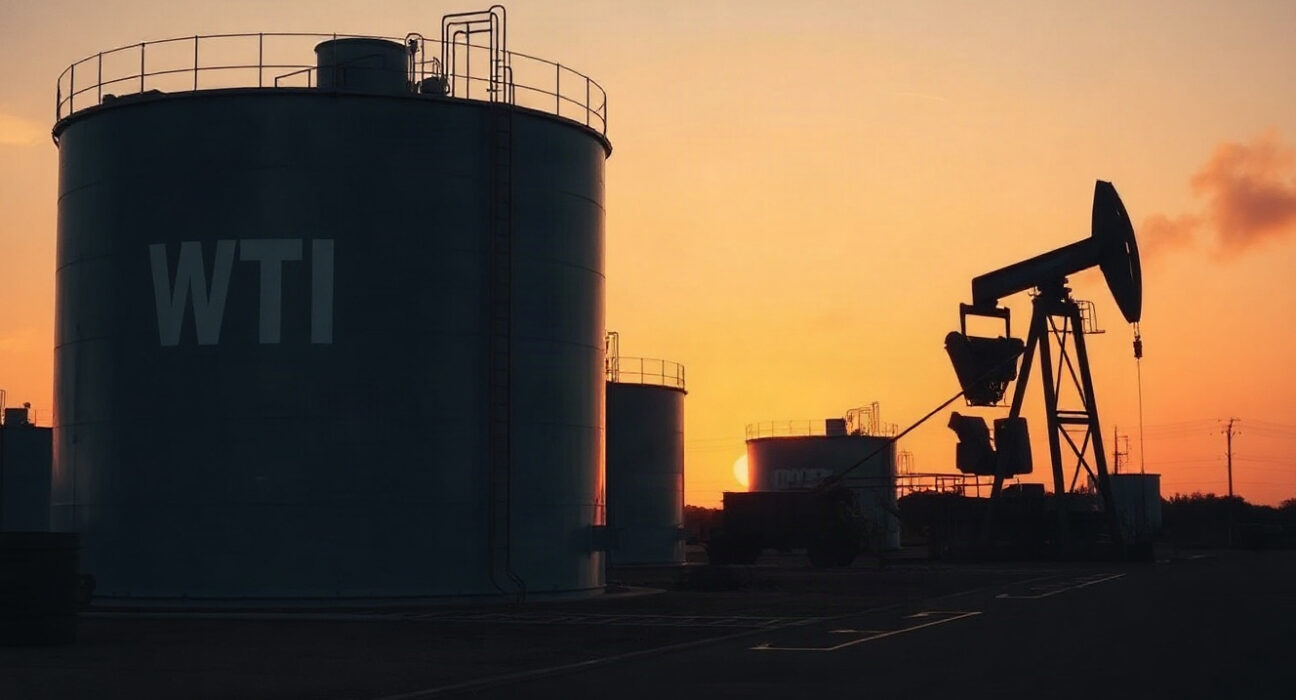
West Texas Intermediate (WTI) crude oil prices remained above $82.50 per barrel on [Date], as escalating tensions between the UK and Russia raised concerns about potential supply disruptions in the energy market. The price movement reflects growing geopolitical risk premium, with traders monitoring the situation closely for any impact on global oil flows.
Why UK-Russia Tensions Are Moving Oil Markets
The latest spike in WTI prices is directly linked to heightened diplomatic and military friction between the UK and Russia. While the specific trigger—such as a naval incident or new sanctions—varies, any escalation between a major European power and one of the world’s largest oil producers tends to unsettle markets. Russia’s role as a key exporter of crude and refined products means that even the threat of supply disruption can influence prices globally.
For context, the UK is not a major importer of Russian crude, but the broader European market is. Any disruption to Russian exports—whether through sanctions, infrastructure attacks, or logistical bottlenecks—would tighten supply in the region, indirectly affecting global benchmarks like WTI and Brent. As of the latest trading session, WTI has held its ground above $82.50, a level that signals sustained market anxiety.
Market Implications and Trader Sentiment
The current price level represents a balance between geopolitical fears and underlying supply-demand fundamentals. While OPEC+ continues to manage output, and US production remains steady, the market is acutely sensitive to any news that could disrupt the flow of crude. Traders are also weighing the potential for retaliatory measures, which could further escalate the situation.
For consumers, higher WTI prices often translate to increased gasoline and heating costs, which can ripple through the broader economy. This is particularly relevant as inflation concerns persist in many countries. The energy sector is watching for any diplomatic off-ramps, but until there is a de-escalation, the risk premium is likely to remain.
What to Watch Next
Investors and analysts are focusing on several key indicators: any official statements from the UK or Russian governments, updates from OPEC+ on production policy, and weekly US inventory data from the Energy Information Administration (EIA). A surprise build in US crude stocks could offset some of the geopolitical gains, while a significant drawdown would reinforce upward pressure.
Conclusion
WTI’s resilience above $82.50 underscores the market’s sensitivity to geopolitical events. As the UK-Russia situation evolves, oil prices are likely to remain volatile. For now, the balance of risks is tilted toward higher prices, but any signs of diplomatic progress could trigger a sharp correction. Staying informed on these developments is crucial for anyone exposed to energy costs.
FAQs
Q1: Why did WTI oil prices rise above $82.50?
WTI rose due to escalating UK-Russia tensions, which raised concerns about potential supply disruptions from Russia, a major oil exporter. The geopolitical risk premium pushed prices higher.
Q2: How do UK-Russia tensions affect global oil supply?
While the UK itself imports little Russian crude, tensions can lead to sanctions or infrastructure disruptions that affect Russian exports. Since Russia is a major producer, any reduction in its exports tightens global supply, affecting benchmarks like WTI.
Q3: What should investors watch in the coming days?
Investors should monitor official statements from the UK and Russia, OPEC+ production decisions, and US crude inventory reports from the EIA. These factors will help gauge whether the price increase is sustainable.
Disclaimer: The information provided is not trading advice, Bitcoinworld.co.in holds no liability for any investments made based on the information provided on this page. We strongly recommend independent research and/or consultation with a qualified professional before making any investment decisions.
