

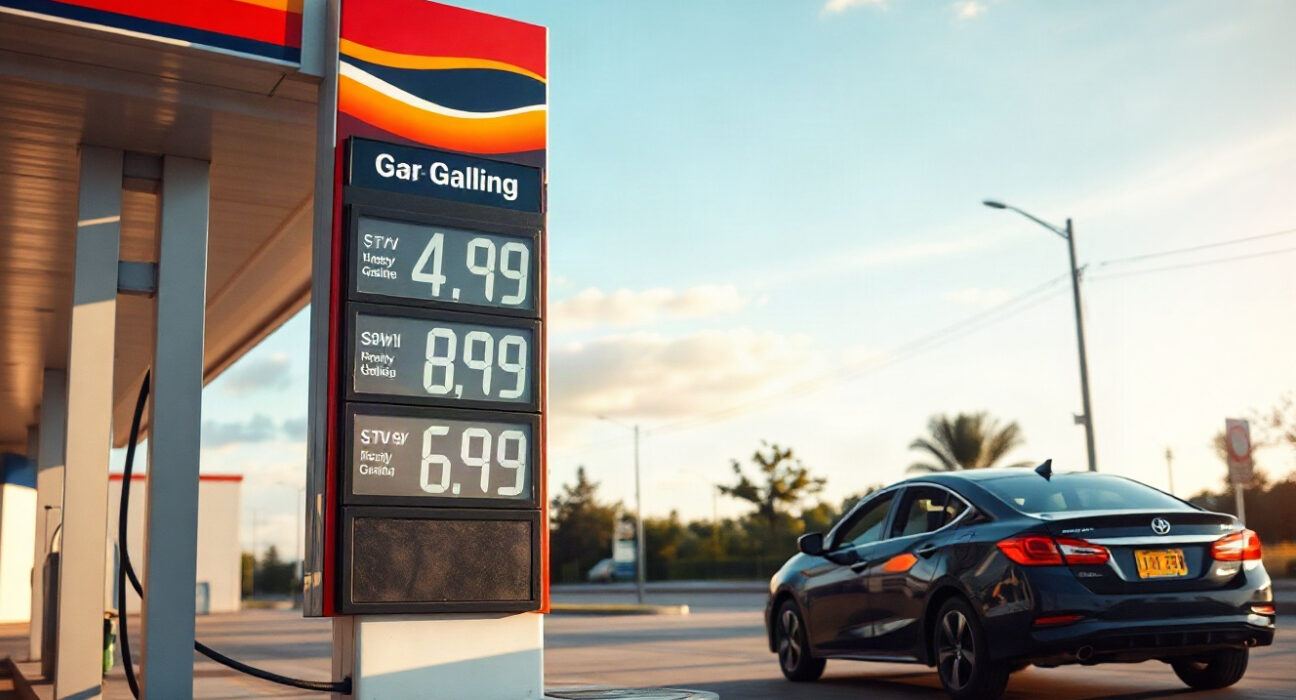
After several weeks of steady declines, retail gasoline prices in the United States have turned higher, reflecting a shift in the wholesale market and seasonal factors. The uptick, observed in recent days, ends a period of falling pump prices that had offered some relief to drivers.
What’s Driving the Increase?
The recent rise in gas prices is primarily attributed to an uptick in crude oil costs and tighter gasoline supplies. As of this week, the national average for regular unleaded has moved up by a few cents, according to data from AAA and the Energy Information Administration. While the increase is modest, it marks a reversal from the downward trend seen earlier in the month.
Seasonal factors also play a role. Refineries are transitioning to summer-blend gasoline, which is more expensive to produce. Additionally, maintenance at some refineries has reduced output, putting upward pressure on wholesale prices that retailers pass on to consumers.
How Much Have Prices Risen?
The national average for a gallon of regular gasoline now stands at approximately $3.20, up from $3.15 a week ago. This increase, while noticeable, remains below the levels seen a year ago, when the average was closer to $3.40. Regional variations are significant, with some states in the West and Northeast seeing larger jumps than others.
Impact on Consumers
For the average driver, a few cents per gallon translates to a modest increase in monthly fuel costs. However, for households that rely heavily on their vehicles, such as commuters or those in rural areas, the cumulative effect can be more pronounced. Analysts suggest that if crude prices continue to climb, further increases at the pump are likely in the coming weeks.
Conclusion
The turn higher in gas prices, while modest, signals a potential end to the recent period of relief at the pump. Drivers should expect some volatility in the weeks ahead as refineries complete seasonal maintenance and global oil markets react to supply and demand dynamics. Monitoring local prices can help consumers find the best deals during this period of adjustment.
FAQs
Q1: Why did gas prices drop recently?
Gas prices had been falling due to lower crude oil costs and ample gasoline supplies, which typically occur during the winter months when demand is lower.
Q2: Will gas prices keep rising?
It depends on crude oil prices and refinery output. If crude continues to climb, pump prices are likely to rise further, but the increase is expected to be gradual.
Q3: How can I save money on gas?
Use apps like GasBuddy to find the cheapest stations in your area, combine errands to reduce driving, and maintain proper tire pressure to improve fuel efficiency.
Disclaimer: The information provided is not trading advice, Bitcoinworld.co.in holds no liability for any investments made based on the information provided on this page. We strongly recommend independent research and/or consultation with a qualified professional before making any investment decisions.
