

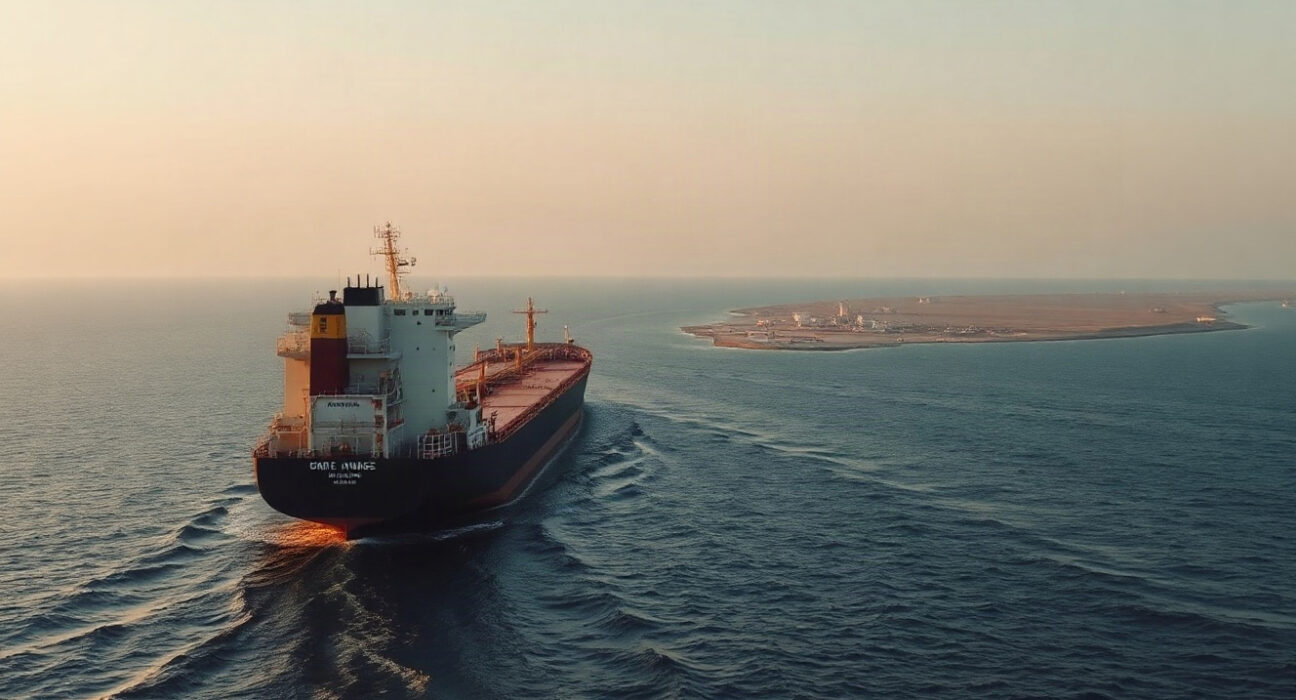
Iran and Oman are advancing talks aimed at an interim reopening of the Strait of Hormuz, a critical chokepoint for global oil shipments, according to a Bloomberg report published this week. The discussions come amid heightened regional tensions and ongoing concerns about maritime security in the strategic waterway, through which roughly one-fifth of the world’s petroleum passes.
Why the Strait of Hormuz Matters
The Strait of Hormuz, located between Iran and Oman, is a narrow passage connecting the Persian Gulf with the Gulf of Oman and the Arabian Sea. It is the world’s most important oil transit route, with the U.S. Energy Information Administration estimating that about 20 million barrels of crude oil and petroleum products pass through it daily. Any disruption to shipping there can trigger global price volatility and supply chain uncertainty.
In recent months, the strait has been at the center of escalating tensions, with periodic seizures of commercial vessels by Iranian forces and heightened U.S. naval presence in the region. The proposed interim reopening, as reported by Bloomberg, would likely involve a phased resumption of normal transit procedures, potentially under international monitoring or with guarantees from regional partners.
Talks and Their Implications
Bloomberg’s report, citing people familiar with the matter, indicates that Iranian and Omani officials have held multiple rounds of discussions, focusing on practical steps to ease navigation and reduce the risk of miscalculation. While details remain scarce, the very existence of such talks signals a potential de-escalation in one of the world’s most volatile maritime corridors.
For global markets, an interim reopening could ease fears of supply disruptions, potentially stabilizing oil prices. Analysts note that any concrete agreement would likely require broader regional and international backing, including from the United States, which maintains a significant naval presence in the area. However, past diplomatic efforts have often stumbled over verification mechanisms and the broader nuclear standoff with Iran.
What This Means for Shipping and Energy Markets
Shipping companies have been adjusting routes and insurance premiums in response to the risk of attacks or seizures. A credible interim reopening would lower these costs and improve transit reliability. For energy markets, the news has already contributed to a slight easing of price pressures, though traders remain cautious until formal announcements are made.
The strategic significance of the strait extends beyond oil. Liquefied natural gas (LNG) from Qatar, the world’s largest LNG exporter, also transits Hormuz. Any long-term solution would have far-reaching effects on global energy security and regional stability.
Conclusion
As talks between Iran and Oman progress, the prospect of an interim reopening of the Strait of Hormuz offers a glimmer of diplomatic hope in a region often defined by conflict. While significant hurdles remain, the very fact that negotiations are underway is a positive signal for international shipping and energy markets. Observers will be watching closely for any concrete agreements that could reshape the strategic landscape of the Persian Gulf.
FAQs
Q1: What is the Strait of Hormuz?
The Strait of Hormuz is a narrow waterway between Iran and Oman, connecting the Persian Gulf with the Gulf of Oman. It is the world’s most important oil transit chokepoint, carrying about 20 million barrels of oil per day.
Q2: Why is an interim reopening significant?
An interim reopening would allow for the resumption of normal shipping traffic, reducing the risk of supply disruptions and helping stabilize global oil prices. It would also signal a potential easing of regional tensions.
Q3: What are the main challenges to a deal?
Challenges include verification mechanisms, the involvement of international stakeholders like the U.S., and broader geopolitical issues such as Iran’s nuclear program. Any agreement would need to be credible and enforceable to gain the trust of shipping and energy markets.
Disclaimer: The information provided is not trading advice, Bitcoinworld.co.in holds no liability for any investments made based on the information provided on this page. We strongly recommend independent research and/or consultation with a qualified professional before making any investment decisions.
