

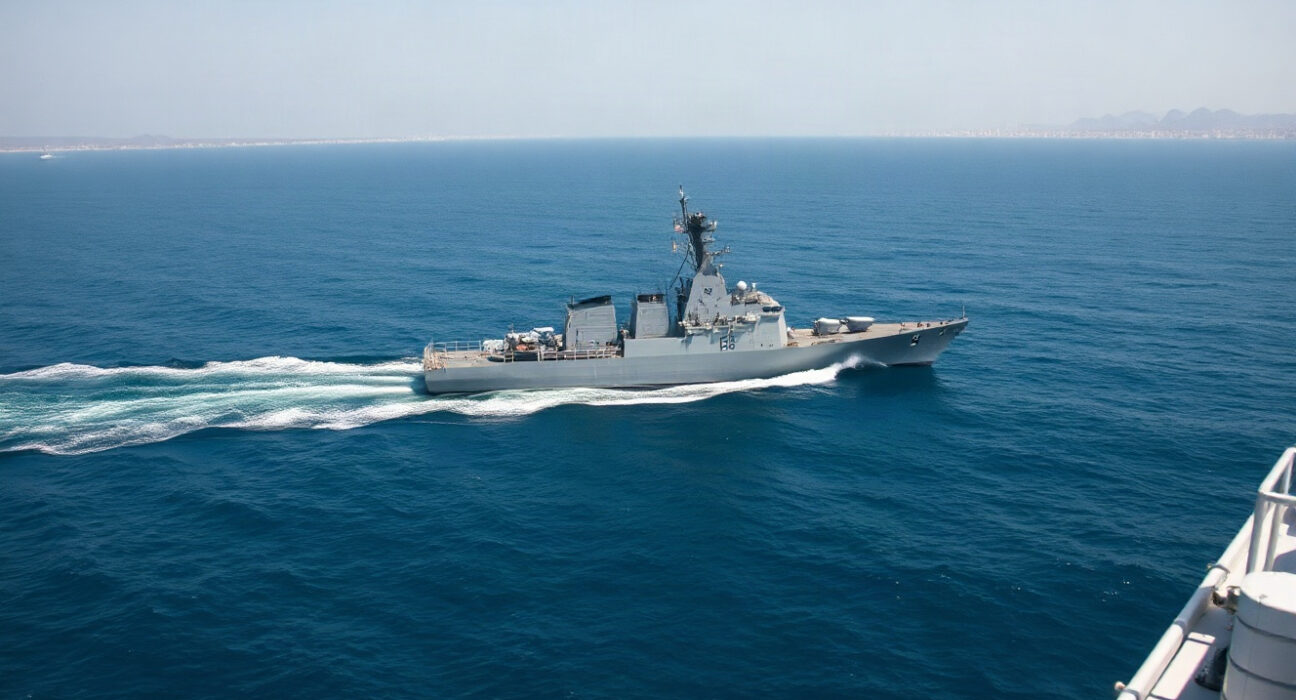
President Donald Trump announced that the US Navy has successfully cleared mines from the Strait of Hormuz, a critical waterway for global oil shipments, according to a statement made on [Date of announcement]. The operation marks a significant step in securing the strategic chokepoint amid heightened regional tensions, though specific details regarding the timeline and scope of the mine clearance have not yet been fully disclosed by military officials.
What Led to the Mine Clearance Operation?
The announcement follows weeks of escalating friction in the Persian Gulf, where threats to commercial shipping had raised concerns about supply disruptions. The Strait of Hormuz, located between Oman and Iran, is a vital passage for approximately 20% of the world’s oil consumption, making its security a top priority for global energy markets and naval forces.
While the President’s statement asserts that the waterway is now clear, independent verification from international maritime organizations or allied naval forces has not yet been published. The US Navy has not released an official operational report detailing the number of mines neutralized or the duration of the clearance mission.
Strategic Importance of the Strait of Hormuz
For decades, the strait has been a focal point for geopolitical tension. Its narrow shipping lanes are essential for crude oil and liquefied natural gas exports from major producers like Saudi Arabia, Iraq, and the UAE. Any disruption, whether from military conflict or sabotage, can lead to immediate volatility in global oil prices and insurance rates for tankers transiting the region.
The presence of naval mines represents a direct threat to civilian navigation. Mines can be deployed covertly and remain dormant until a vessel triggers them, posing a long-term hazard that requires meticulous and dangerous clearance work by specialized military divers and unmanned underwater vehicles.
What This Means for Global Shipping and Energy Markets
For shipping companies, the news is a positive indicator for risk assessment. A clear strait reduces the likelihood of attacks on merchant vessels and lowers war-risk insurance premiums, which had spiked during periods of heightened alert. For consumers, the stability of this route helps maintain predictable fuel prices, as tankers can pass without significant delays or rerouting around the Arabian Peninsula.
However, analysts caution that the removal of mines does not eliminate the underlying security threats in the region. The geopolitical dynamics that led to the deployment of mines remain unresolved, and the potential for future disruptions persists.
Conclusion
The reported clearance of mines in the Strait of Hormuz by the US Navy is a tangible de-escalation of a specific threat to maritime traffic. While the announcement provides some relief to global energy markets, the situation remains fluid. The focus now shifts to confirming the details of the operation and monitoring the broader security environment in the region to ensure the long-term safety of this vital trade artery.
FAQs
Q1: Why is the Strait of Hormuz so important?
The Strait of Hormuz is a narrow waterway connecting the Persian Gulf with the Gulf of Oman. It is the world’s most important oil chokepoint, with roughly one-fifth of global oil consumption passing through it daily.
Q2: What is the role of the US Navy in this region?
The US Navy, through its Fifth Fleet based in Bahrain, conducts patrols and escort operations to ensure freedom of navigation and protect commercial shipping in the region.
Q3: What are the risks of naval mines?
Naval mines are explosive devices designed to damage or destroy ships. They can be moored to the seabed or float freely, and they pose a significant danger to all types of vessels, including oil tankers and cargo ships.
Disclaimer: The information provided is not trading advice, Bitcoinworld.co.in holds no liability for any investments made based on the information provided on this page. We strongly recommend independent research and/or consultation with a qualified professional before making any investment decisions.
