

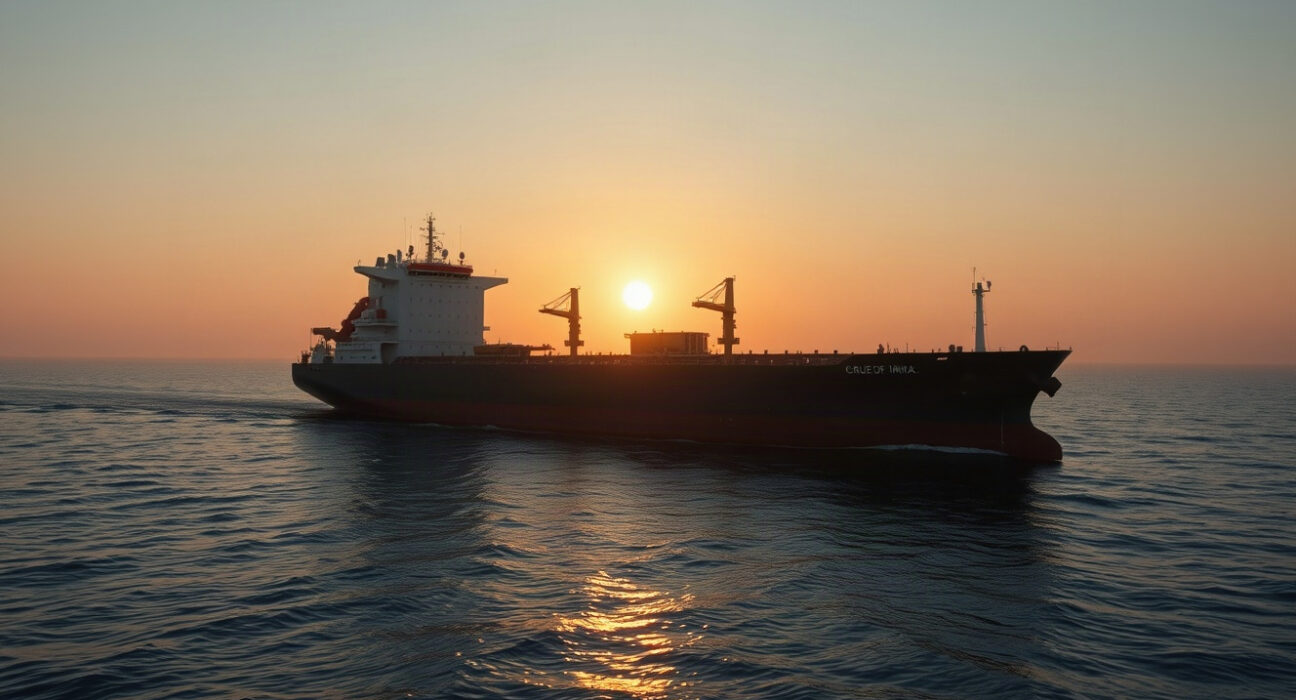
West Texas Intermediate (WTI) crude surged past $84.50 per barrel on [date], as escalating tensions in the Strait of Hormuz raised concerns about potential supply disruptions from the world’s most critical oil chokepoint. The rally marks a significant move for the US benchmark, reflecting heightened geopolitical risk in the Middle East.
Why the Strait of Hormuz Matters for Oil Prices
The Strait of Hormuz, a narrow waterway between Oman and Iran, handles roughly 20% of global oil consumption, making it a vital artery for crude shipments from Saudi Arabia, Iraq, the UAE, and other Gulf producers. Any threat to its security directly impacts global supply expectations, and traders are now pricing in a higher risk premium. The standoff, which has escalated in recent days, has prompted warnings from shipping and energy analysts about potential delays or rerouting of tankers, though no major disruptions have been confirmed yet.
Market Reaction and Trader Sentiment
As of [time], WTI futures were trading at $84.60, up 1.8% on the day, while Brent crude also climbed above $87. The move reflects a broader shift in market sentiment, with investors hedging against possible supply cuts. Energy equities have also seen gains, and oil-linked currencies have strengthened. However, some analysts caution that the rally could be overdone if the situation de-escalates, as global inventories remain relatively comfortable.
Impact on Consumers and the Broader Economy
Higher oil prices translate into increased costs for gasoline, diesel, and jet fuel, which can ripple through the economy. For consumers, this could mean higher prices at the pump in the coming weeks. For central banks, a sustained oil price spike adds to inflationary pressures, complicating monetary policy decisions. The standoff also highlights the fragility of global energy supply chains, underscoring the importance of strategic reserves and alternative supply routes.
Conclusion
The surge in WTI above $84.50 underscores the market’s sensitivity to geopolitical events in the Strait of Hormuz. While the situation remains fluid, traders are bracing for potential volatility. The coming days will be critical in determining whether this is a temporary spike or the start of a sustained rally, as the world watches for any further escalation or diplomatic progress.
FAQs
Q1: What is the Strait of Hormuz and why is it important?
The Strait of Hormuz is a narrow waterway between Oman and Iran, through which about 20% of global oil passes. It is a critical chokepoint for crude shipments from major Gulf producers.
Q2: How does the standoff affect oil prices?
Escalating tensions raise the risk of supply disruptions, prompting traders to bid up oil prices to reflect a higher geopolitical risk premium.
Q3: What could cause oil prices to reverse?
If the situation de-escalates or if major producers increase output to compensate, prices could fall. Additionally, weaker global demand or higher inventories could put downward pressure on prices.
Disclaimer: The information provided is not trading advice, Bitcoinworld.co.in holds no liability for any investments made based on the information provided on this page. We strongly recommend independent research and/or consultation with a qualified professional before making any investment decisions.
