

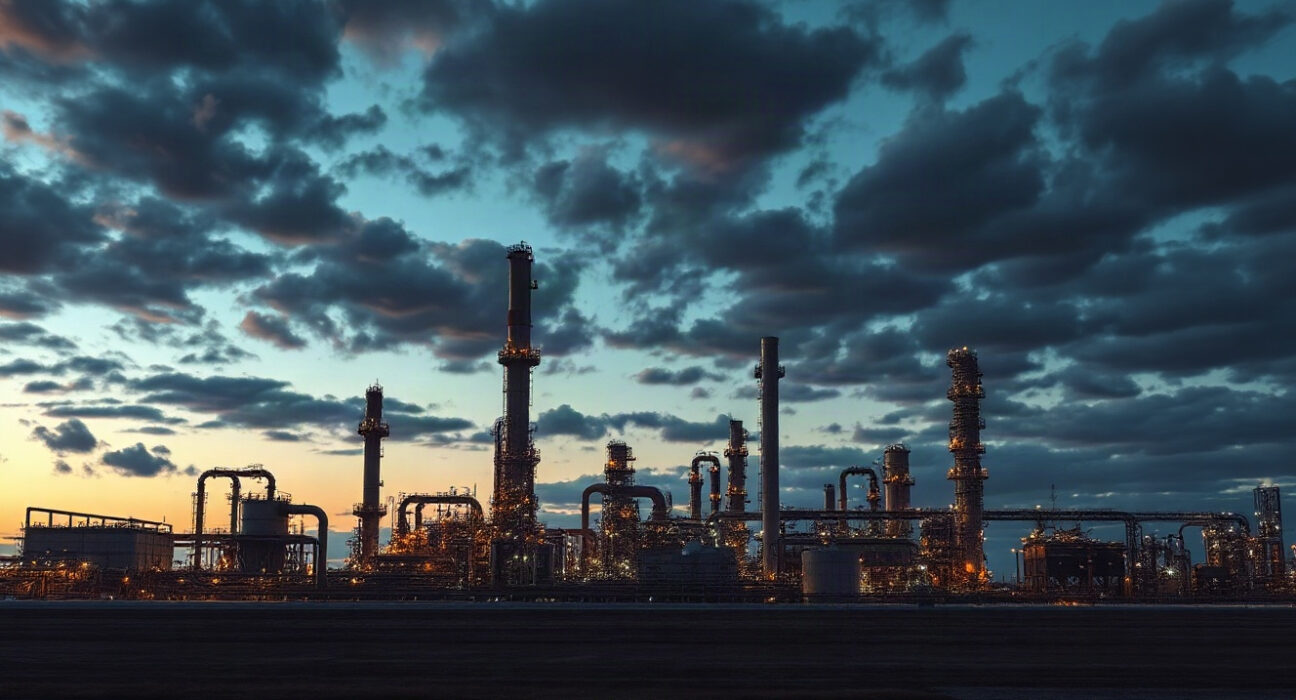
Danske Bank has stated that the oil market remains tense, with the risk of sanctions continuing to be a key factor keeping prices supported and traders on edge.
Why Sanctions Risk is Keeping the Oil Market Tense
The core issue, as outlined by Danske Bank’s analysis, is the persistent uncertainty surrounding potential and existing sanctions on major oil-producing nations. This geopolitical risk premium is preventing a significant price drop, even as other market fundamentals might suggest a different trajectory. The market is essentially pricing in the possibility of supply disruptions at any moment, making it highly sensitive to headlines and policy shifts.
This tension is not new, but it has become a more dominant narrative in recent months. The threat of secondary sanctions, enforcement actions, and the potential for new restrictions on exports from key regions like Russia and the Middle East creates a complex environment for traders. Any perceived escalation in rhetoric or concrete policy action can trigger immediate price volatility.
Market Implications and What to Watch
For market participants, the key takeaway is that volatility is likely to remain a constant feature. The focus is squarely on diplomatic and political developments, which are currently overshadowing traditional supply-and-demand data. Traders are advised to monitor policy announcements and geopolitical events closely, as these are the primary drivers of price action in this environment.
From a broader perspective, sustained high prices due to sanctions risk can have knock-on effects on the global economy, potentially influencing inflation rates and central bank policies. This interconnects the energy market with broader financial market trends, making the oil price a critical indicator to watch for investors across various asset classes.
Understanding the Impact on Prices
While Danske Bank’s note is brief, the core message is that the market’s current state is a direct reflection of geopolitical risk. The ‘sanctions risk’ is not just a background factor; it is the primary lens through which supply forecasts are being evaluated. This means that any credible move towards de-escalation could lead to a rapid repricing, while further escalation could push prices higher. The market is in a holding pattern, waiting for a clear signal on the future of these sanctions.
Conclusion
In summary, the oil market is in a state of heightened alert, with sanctions risk as the dominant price driver. Danske Bank’s assessment underscores that this tension is likely to persist, requiring market watchers to stay informed on geopolitical developments. The situation is fluid, and the potential for sudden shifts in the market remains high, making careful monitoring essential.
FAQs
Q1: What is the main reason for the current tension in the oil market?
The primary reason is the ongoing risk and uncertainty related to sanctions on major oil-producing countries. This geopolitical factor is creating a risk premium that keeps prices elevated and makes the market highly sensitive to political news.
Q2: How does the sanctions risk affect oil prices?
Sanctions risk can affect oil prices by threatening potential supply disruptions. The market prices in this risk, which supports higher prices. Any news that either increases or decreases the likelihood of sanctions can cause significant price swings.
Q3: What should traders and investors watch for in the coming weeks?
Traders and investors should closely monitor geopolitical headlines, policy announcements from major governments, and any enforcement actions related to sanctions. These developments are expected to be the main drivers of oil price volatility in the near term.
Disclaimer: The information provided is not trading advice, Bitcoinworld.co.in holds no liability for any investments made based on the information provided on this page. We strongly recommend independent research and/or consultation with a qualified professional before making any investment decisions.
