

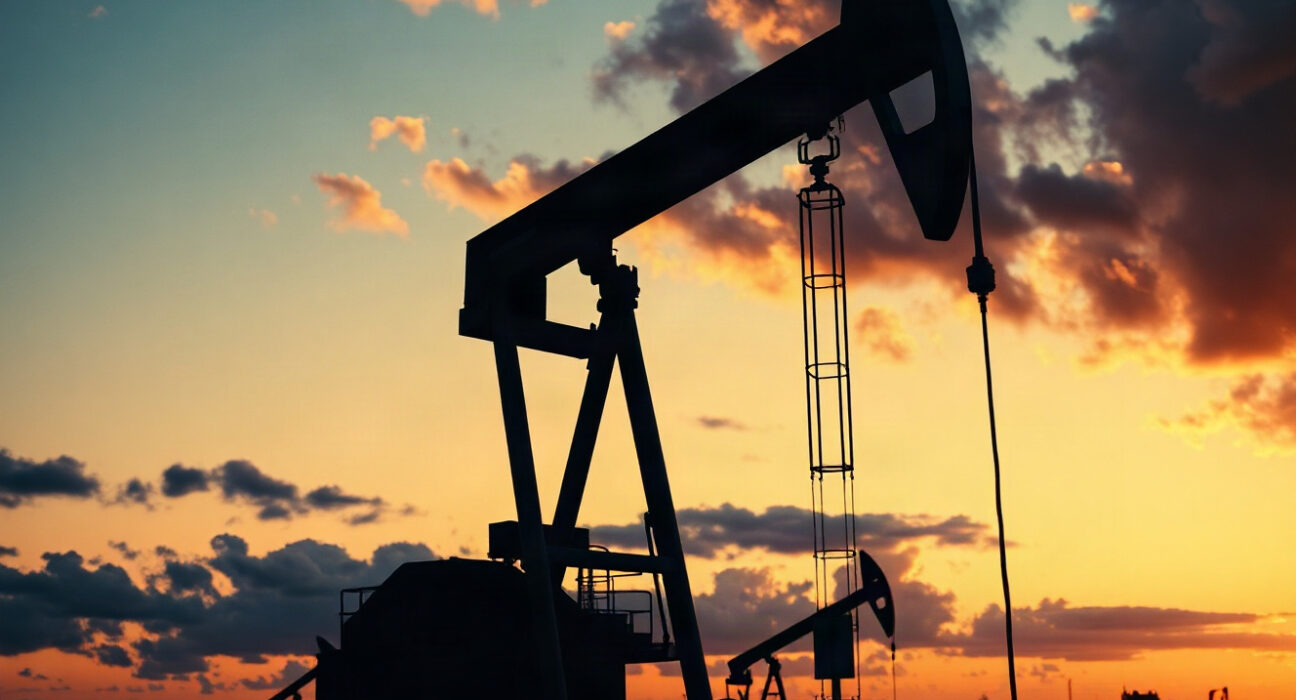
Oil prices extended their rally on Wednesday, driven by heightened sanctions risk, according to analysts at ING. The commodity’s upward momentum reflects growing concerns over supply disruptions, as geopolitical tensions continue to influence market sentiment.
What’s Driving the Oil Rally?
The latest surge in oil prices is largely attributed to the potential for new sanctions targeting major oil-producing nations. ING’s commodity strategy team noted that the market is pricing in a higher risk premium, as traders weigh the likelihood of supply constraints. While the exact triggers remain fluid, the overall trend points to a market bracing for tighter supply.
Sanctions, particularly those aimed at Russian and Iranian crude, have historically had a significant impact on global oil flows. The current rally suggests that investors believe these measures could be implemented or expanded, reducing available barrels on the market. This is happening against a backdrop of already limited spare capacity, making the market more sensitive to any potential disruption.
Market Implications and What to Watch
For consumers, higher oil prices typically translate into increased costs at the pump and for goods that depend on transportation. For the broader economy, sustained price increases can add to inflationary pressures, complicating central bank policy decisions. The energy sector, however, stands to benefit from improved profit margins.
ING analysts emphasize that the situation is still developing, and the actual impact will depend on the specifics of any new measures. Key factors to monitor include the response from major producers, potential waivers, and the willingness of other nations to comply with sanctions. The market will also be watching for any signs of demand weakness that could offset supply concerns.
Why This Matters
This rally is not just a short-term market movement; it reflects a deeper geopolitical reality. Energy security has become a central issue in international relations, and oil prices are increasingly a barometer of global stability. For investors and consumers alike, understanding the drivers behind these price changes is crucial for making informed decisions.
Conclusion
Oil’s rally on sanctions risk underscores the fragility of the current energy supply balance. With ING pointing to these geopolitical factors as key catalysts, the market is likely to remain volatile until there is more clarity on policy direction. Staying informed on these developments is essential for anyone exposed to energy costs or investment portfolios.
FAQs
Q1: What exactly are sanctions risk in the oil market?
Sanctions risk refers to the possibility that countries may impose trade restrictions or penalties on oil-producing nations, which could reduce global supply and drive up prices. In this context, it’s about potential actions against major exporters that could tighten the market.
Q2: How do sanctions typically affect oil prices?
Sanctions can limit a country’s ability to export oil, removing barrels from the global market. This reduction in supply, especially when demand remains steady, usually leads to higher prices. The anticipation of such measures can also create a risk premium in the market.
Q3: What should consumers expect if the rally continues?
If oil prices continue to rise, consumers may see higher fuel prices and potentially increased costs for goods and services due to higher transportation expenses. It could also contribute to broader inflation, which might influence interest rate decisions by central banks.
Disclaimer: The information provided is not trading advice, Bitcoinworld.co.in holds no liability for any investments made based on the information provided on this page. We strongly recommend independent research and/or consultation with a qualified professional before making any investment decisions.
