

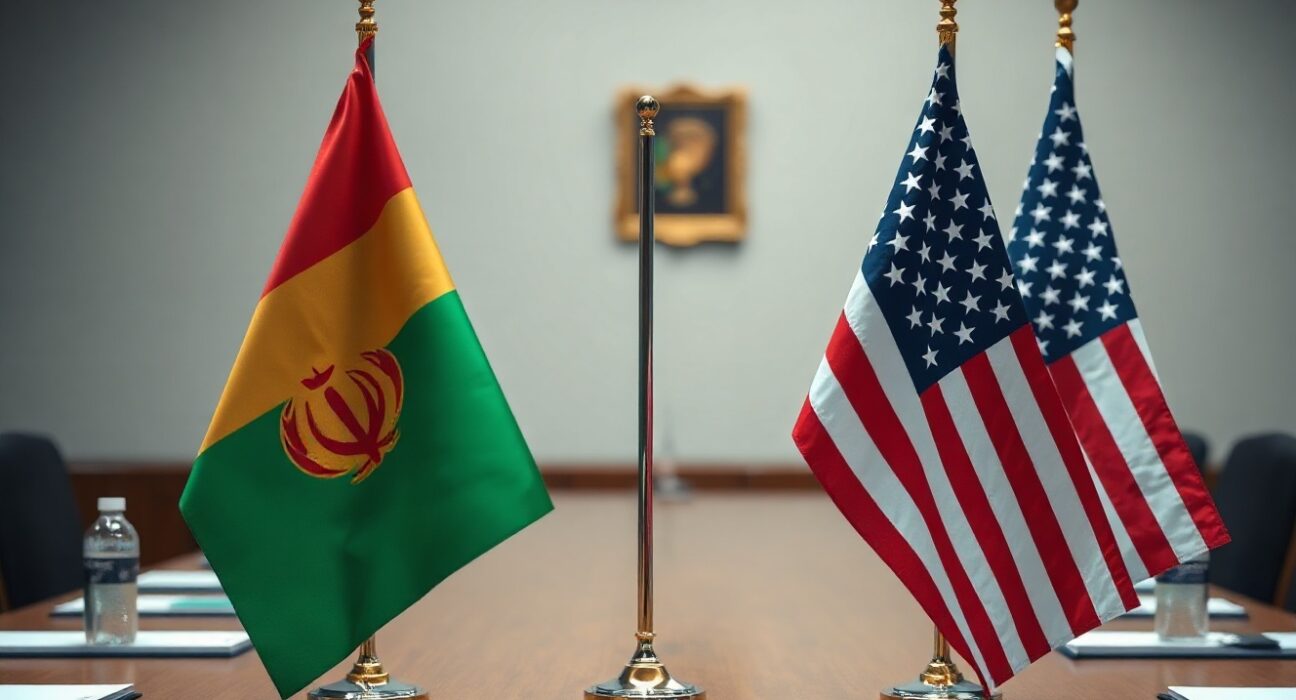
Iran has declared that it will not engage in negotiations with the United States until President Donald Trump’s term concludes, according to a statement from Iranian officials on [date]. The announcement marks a firm stance against the current US administration, signaling a prolonged standoff in diplomatic relations.
Background of the Stance
The decision stems from deep-seated distrust toward the Trump administration, particularly after the US withdrawal from the Joint Comprehensive Plan of Action (JCPOA) in 2018 and the subsequent re-imposition of sanctions. Iranian leaders have repeatedly cited these actions as a breach of trust, making any talks under the current US leadership untenable.
Implications for Diplomacy and the Region
This development complicates ongoing efforts to revive the nuclear deal and address regional security concerns. The international community, including European signatories to the JCPOA, faces a challenging path forward as they attempt to mediate between the two nations. The announcement also raises questions about the future of sanctions relief and the stability of the Middle East.
Why This Matters
For global markets and geopolitical observers, this stance underscores the fragility of US-Iran relations and the potential for increased tensions. It also highlights the significant influence of presidential terms on foreign policy, as a change in US leadership could reopen diplomatic channels. Readers should monitor this situation closely, as it affects oil prices, regional security, and international diplomacy.
Conclusion
In summary, Iran’s refusal to negotiate with the US until after Trump’s term is a clear signal of its position, rooted in past grievances. The coming months will be critical in determining whether diplomatic avenues can be reopened or if tensions will persist. As the situation evolves, staying informed will be key to understanding its broader impact.
FAQs
Q1: Why is Iran refusing to talk to the US until Trump’s term ends?
Iran cites the US withdrawal from the JCPOA and re-imposed sanctions as evidence of untrustworthiness, making negotiations under the current administration unacceptable.
Q2: What does this mean for the nuclear deal?
The future of the JCPOA remains uncertain, as Iran’s stance could stall efforts to bring all parties back into compliance. European mediators are facing significant challenges.
Q3: How might this affect global markets?
The standoff could lead to volatility in oil prices and increased geopolitical risk, prompting investors to monitor developments closely.
Disclaimer: The information provided is not trading advice, Bitcoinworld.co.in holds no liability for any investments made based on the information provided on this page. We strongly recommend independent research and/or consultation with a qualified professional before making any investment decisions.
