

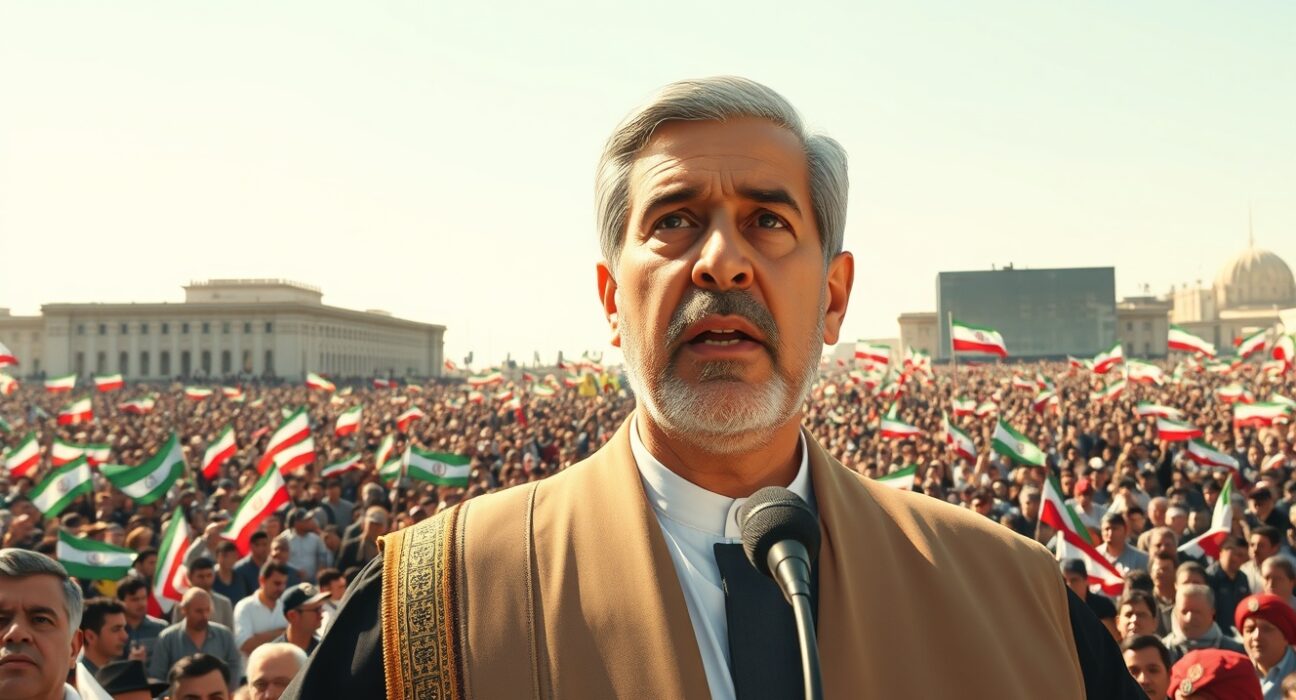
Iran Vice President Ismail Saghab Isfahani issued a stark warning on April 24, vowing that Iran would retaliate forcefully against any attack on its energy facilities. Speaking at a rally in Eslamshahr, he declared that any aggression would trigger a response far beyond proportional measures. This statement comes amid rising tensions in the Middle East, where energy infrastructure remains a critical flashpoint.
Iran Energy Retaliation Threat: A New Escalation Strategy
Isfahani emphasized that Iran would not limit its response to an eye-for-an-eye approach. He described such a proportional reaction as merely the first step. Instead, he warned that if even a single Iranian oil well were attacked, Iran would target the oil fields of the aggressor nation. This represents a significant shift in Iran’s defense posture, moving from measured retaliation to asymmetric escalation.
The vice president’s remarks reflect a broader strategy to deter potential adversaries. By signaling a disproportionate response, Iran aims to raise the cost of any military action against its energy sector. This approach aligns with Iran’s historical use of deterrence through uncertainty, a tactic that has defined its military doctrine for decades.
Energy Security Iran: Preparedness and Public Assurance
Isfahani also sought to reassure the Iranian public about the country’s energy security. He stated that Iran is fully prepared to maintain its energy supply, with its energy and power sectors ready for any contingency. This assurance aims to calm domestic anxieties, especially given Iran’s reliance on oil exports for revenue and its vulnerability to sanctions.
Iran’s energy infrastructure has faced multiple threats in recent years. From cyberattacks on oil facilities to sabotage of pipelines, the sector remains a primary target for adversaries. The vice president’s comments underscore the government’s focus on resilience, including investments in backup systems and distributed energy grids.
Geopolitical Context of the Warning
The warning arrives at a time of heightened geopolitical friction. Iran’s nuclear program, its support for proxy forces, and ongoing tensions with Israel and the United States have created a volatile environment. Any miscalculation could trigger a broader conflict, with energy facilities as potential battlegrounds.
Analysts point to recent incidents as evidence of this risk. In 2023, a drone attack on an Iranian oil refinery caused significant damage, though no group claimed responsibility. Similarly, strikes on Saudi Aramco facilities in 2019 demonstrated the vulnerability of energy infrastructure to asymmetric attacks. Iran’s current posture suggests it is preparing for a similar scenario, but from the perspective of a defender.
Oil Field Attack Response: What It Means for Global Markets
Isfahani’s threat to target aggressor oil fields carries significant implications for global energy markets. Iran sits on some of the world’s largest oil and gas reserves, and any disruption to its production could spike prices. Furthermore, a retaliatory strike on another nation’s oil fields would escalate into a regional crisis, potentially disrupting supply chains worldwide.
Market analysts have already factored in a risk premium for Iranian oil. The vice president’s statement may increase this premium, especially if tensions continue to rise. However, Iran’s ability to execute such threats depends on its military capabilities, which include ballistic missiles, drones, and naval forces capable of targeting offshore oil platforms.
Timeline of Key Events
- April 24, 2025: Iran VP issues warning at Eslamshahr rally.
- 2023: Drone attack on Iranian oil refinery causes damage.
- 2019: Attacks on Saudi Aramco facilities disrupt global oil supply.
- 2018: US withdraws from JCPOA, reimposing sanctions on Iran.
- 2015: Iran nuclear deal signed, easing tensions temporarily.
Military Preparedness and Deterrence Strategy
Iran’s military doctrine has long emphasized deterrence through asymmetric capabilities. The Islamic Revolutionary Guard Corps (IRGC) oversees much of the country’s missile and drone programs, which are designed to overwhelm enemy defenses. Isfahani’s warning aligns with this doctrine, signaling that Iran will use all available tools to protect its energy assets.
Recent military exercises have focused on defending oil facilities. In 2024, Iran conducted drills simulating attacks on offshore platforms and pipelines, showcasing its ability to respond quickly. These exercises serve both as a deterrent and as a signal of readiness to domestic and international audiences.
Conclusion
Iran’s energy retaliation threat, as articulated by Vice President Isfahani, represents a calculated escalation in its defense posture. By vowing disproportionate force against any attack on energy facilities, Iran aims to deter adversaries while reassuring its population. The warning carries significant implications for regional stability and global energy markets, underscoring the high stakes of any future confrontation. As tensions persist, the world will watch closely for any signs of miscalculation that could trigger a broader conflict.
FAQs
Q1: What did Iran’s vice president say about energy facility attacks?
A: He vowed strong retaliation, warning that any attack on Iran’s energy facilities would trigger a response beyond proportional measures, including targeting the aggressor’s oil fields.
Q2: Why is Iran threatening disproportionate retaliation?
A: Iran aims to deter potential adversaries by raising the cost of any military action against its energy sector, using asymmetric escalation as a strategic tool.
Q3: How prepared is Iran for an energy facility attack?
A: Iran claims its energy and power sectors are fully prepared, with investments in backup systems and distributed grids to maintain supply during crises.
Q4: What are the global implications of this warning?
A: The threat could spike oil prices and disrupt global supply chains if tensions escalate, as Iran is a major oil producer and any conflict would impact regional stability.
Q5: How does this fit into Iran’s military doctrine?
A: Iran relies on asymmetric capabilities, including missiles and drones, to deter attacks. This warning aligns with its doctrine of using uncertainty and disproportionate force to protect critical assets.
Disclaimer: The information provided is not trading advice, Bitcoinworld.co.in holds no liability for any investments made based on the information provided on this page. We strongly recommend independent research and/or consultation with a qualified professional before making any investment decisions.
