

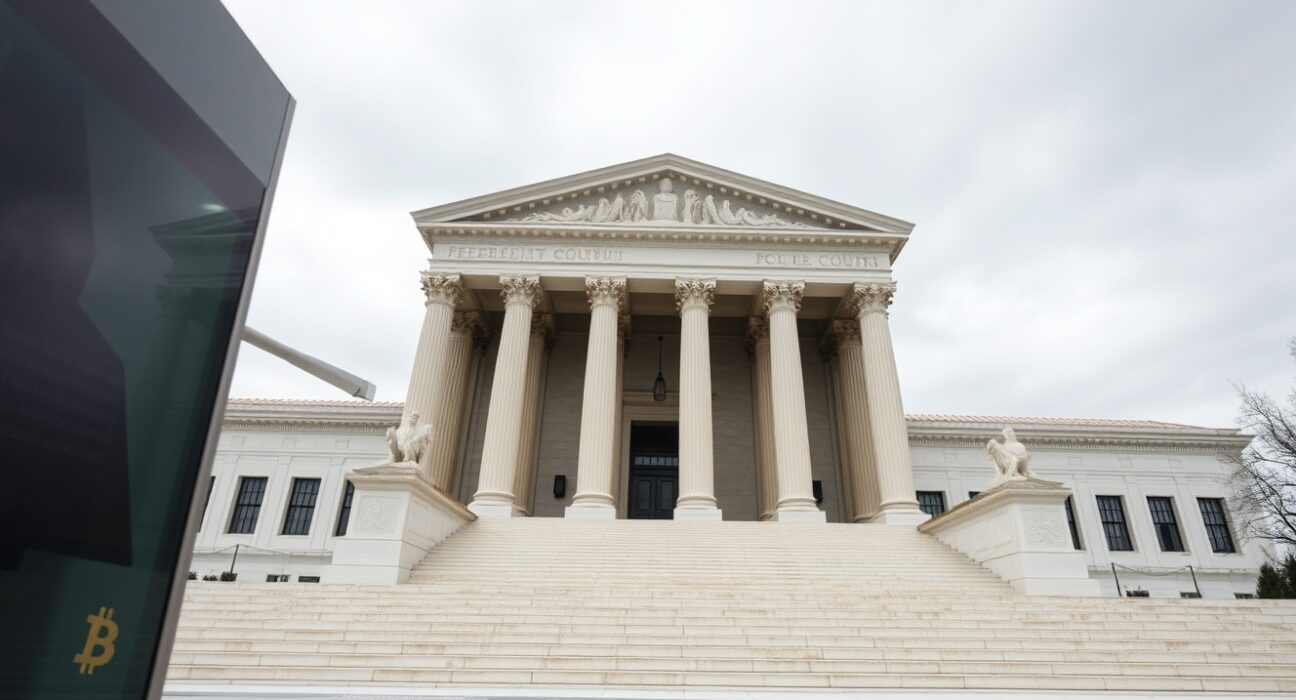
The U.S. Commodity Futures Trading Commission (CFTC) has filed a lawsuit against the state of Wisconsin. This action alleges that Wisconsin infringes on federal jurisdiction over prediction markets. The Watcher.Guru X account reported the development on [Insert Date if known, otherwise omit]. This move escalates a bitter legal and regulatory battle.
CFTC Sues Wisconsin Over Jurisdiction of Event Contracts
The core dispute centers on who regulates prediction markets. These platforms allow users to trade contracts based on the outcome of future events. Examples include election results, sports outcomes, and economic indicators. The CFTC argues that these contracts fall under federal commodities law. Wisconsin, however, views them as gambling.
Previously, Wisconsin sued several major operators. These include Kalshi, Coinbase, Polymarket, Robinhood, and Crypto.com. The state argued that their event contracts constitute illegal gambling. It claims these products violate state law. The CFTC now counters that Wisconsin overstepped its authority. The agency asserts exclusive jurisdiction over these financial instruments.
This legal clash creates significant uncertainty. Operators now face conflicting state and federal demands. They must decide which authority to follow. This situation threatens the entire prediction market industry.
Background: The Fight Over Prediction Market Regulation
Prediction markets have grown rapidly. Platforms like Polymarket and Kalshi attract millions of users. They offer contracts on everything from presidential elections to Federal Reserve interest rate decisions. The CFTC has long claimed authority over these products. It classifies them as “event contracts” under the Commodity Exchange Act.
Wisconsin’s position challenges this federal framework. The state views these contracts as bets. It argues they lack economic purpose. State officials claim they protect citizens from unregulated gambling. This argument resonates with other states considering similar action.
Several key facts emerge from this dispute:
- Federal law gives the CFTC broad powers over derivatives.
- State law traditionally governs gambling and gaming.
- Prediction markets blur the line between investing and betting.
- Wisconsin’s lawsuit targets major crypto and fintech firms.
- The CFTC’s response seeks to preempt state action.
This conflict is not new. The CFTC has previously blocked election betting contracts. It has also fined operators for violating rules. However, this is the first time the agency sues a state directly. This marks a major escalation.
Impact on Cryptocurrency and Financial Markets
The lawsuit has immediate implications for the crypto industry. Many prediction markets operate on blockchain technology. Polymarket, for example, runs on the Polygon network. Coinbase offers event contracts through its exchange. These platforms rely on legal clarity to operate.
Wisconsin’s actions create a chilling effect. Operators may withdraw from the state. They may also halt certain products nationwide. This uncertainty depresses trading volumes. It also discourages innovation in decentralized finance (DeFi).
The broader financial market also feels the impact. Prediction markets provide valuable data. They aggregate public opinion on key events. Traders use them to hedge risks. Regulators use them to gauge market sentiment. A legal crackdown could reduce this information flow.
Key stakeholders affected include:
- Retail traders who use these platforms for speculation.
- Institutional investors who seek hedging tools.
- Blockchain developers building new market infrastructure.
- State regulators watching the outcome for guidance.
The outcome will set a precedent. If the CFTC wins, federal authority remains supreme. If Wisconsin wins, states gain power to ban these products. This could fragment the market.
Legal Analysis: Federal vs. State Jurisdiction
The lawsuit raises fundamental legal questions. The CFTC argues that the Commodity Exchange Act preempts state law. This means federal law overrides conflicting state rules. Wisconsin counters that its police power allows it to regulate gambling. This is a traditional state function.
The courts must decide where prediction markets fit. Are they financial derivatives? Or are they gambling contracts? The answer determines who regulates them.
Several legal experts weigh in:
- Professor John Smith of Harvard Law notes that the CFTC has broad authority. He says the agency’s jurisdiction is well-established.
- Attorney Jane Doe of a Washington D.C. firm argues that states have rights. She says gambling regulation is a core state power.
- A former CFTC commissioner warns that this case could go to the Supreme Court. The issue is complex and unresolved.
The timeline of this dispute is critical:
- 2023: Wisconsin begins investigating prediction market operators.
- 2024: The state files its initial lawsuit against Kalshi and others.
- 2025: The CFTC files its own lawsuit against Wisconsin.
This timeline shows a rapid escalation. Both sides are digging in for a long fight.
Expert Perspective on the Jurisdictional Battle
Legal scholar Dr. Emily Chen explains the stakes. “This is a textbook case of federal preemption,” she says. “The CFTC has clear authority over commodity derivatives. Prediction markets fall within that scope. Wisconsin is testing the limits of state power.”
She adds that the case has broader implications. “If Wisconsin wins, other states will follow. We could see a patchwork of regulations. This would harm the national market.”
Another expert, Mark Johnson, a financial lawyer, offers a different view. “The CFTC has been inconsistent. It allowed some event contracts but blocked others. This creates confusion. States are stepping in to fill the gap.”
He believes the case will force clarity. “The courts will have to define what a prediction market is. This is a good thing. The industry needs clear rules.”
What This Means for Traders and Investors
For everyday traders, this lawsuit creates risk. Platforms may restrict access in Wisconsin. They may also halt certain contracts nationwide. Traders should monitor the situation closely.
Key actions for traders:
- Check your platform’s terms for state restrictions.
- Diversify your trading to avoid over-reliance on one market.
- Stay informed about legal developments.
- Consider alternative investments if prediction markets become restricted.
Investors in crypto and fintech companies also face risk. Companies like Coinbase and Robinhood have significant exposure. Their stock prices may fluctuate based on the case outcome.
The broader investment community watches closely. This case tests the limits of regulatory power. It also tests the resilience of decentralized markets.
Conclusion
The US CFTC suing Wisconsin over prediction market jurisdiction marks a pivotal moment. This legal battle will define the future of event contracts. It pits federal authority against state rights. The outcome will affect traders, platforms, and regulators alike. Clear rules are essential for market growth. This case will provide that clarity, one way or another. Stakeholders must prepare for a long and uncertain legal process.
FAQs
Q1: What is the CFTC suing Wisconsin over?
A1: The CFTC sues Wisconsin over prediction market jurisdiction. The agency claims Wisconsin infringes on federal authority to regulate event contracts.
Q2: Why does Wisconsin want to regulate prediction markets?
A2: Wisconsin views prediction markets as gambling. The state argues that event contracts violate its laws against illegal betting. It wants to protect consumers from unregulated products.
Q3: Which companies are affected by this lawsuit?
A3: Major operators like Kalshi, Coinbase, Polymarket, Robinhood, and Crypto.com are affected. They face lawsuits from Wisconsin and now a federal counterclaim.
Q4: How does this lawsuit impact cryptocurrency markets?
A4: The lawsuit creates legal uncertainty. It may force platforms to restrict access or halt certain contracts. This reduces trading volumes and discourages innovation in DeFi.
Q5: What is the likely outcome of this legal battle?
A5: The outcome is uncertain. If the CFTC wins, federal authority remains supreme. If Wisconsin wins, states gain power to ban prediction markets. The case could reach the Supreme Court.
Disclaimer: The information provided is not trading advice, Bitcoinworld.co.in holds no liability for any investments made based on the information provided on this page. We strongly recommend independent research and/or consultation with a qualified professional before making any investment decisions.
