

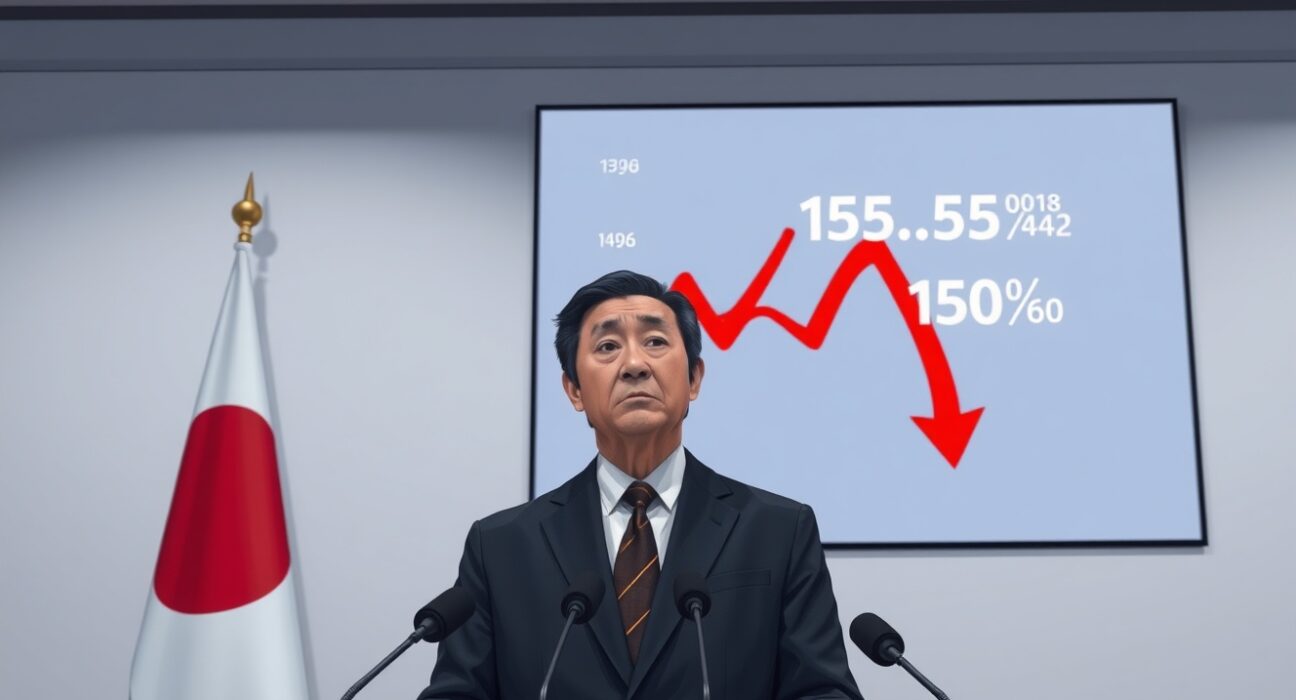
Japan likely intervened again in foreign exchange markets to support the struggling yen, according to analyst Justin Low. However, he warns that the yen’s weak trend is expected to persist. The intervention, which followed a similar action on the previous day, caused the dollar-yen exchange rate to plunge by 130 to 150 pips. It briefly fell back toward yesterday’s low of around 155.55 before rebounding.
Japan Yen Intervention: A Second Bold Move
Justin Low, a market analyst, suggested today that Japan’s Ministry of Finance conducted a second currency intervention. This move aimed to curb sharp fluctuations in the yen. Low explained that a second intervention would be more effective. Speculators caught on the wrong side of the trade would likely move to the sidelines. This reduces speculative pressure on the currency.
The dollar-yen pair experienced a sudden and sharp decline. It dropped by 130 to 150 pips in a matter of minutes. This move pushed the exchange rate back toward the 155.55 level seen the previous day. However, the pair quickly rebounded, indicating strong underlying selling pressure on the yen.
Low noted that the Ministry of Finance’s decision to intervene a second time signals determination. The authorities aim to push the exchange rate below a certain level at any cost. This demonstrates a clear policy intent to defend the yen. Yet, the effectiveness of such interventions remains a subject of debate among economists.
Fundamental Pressures Driving the Yen’s Weak Trend
Despite the intervention, Low pointed out that all current fundamentals are unfavorable for the yen. He believes policymakers are fully aware of this reality. The analyst described the situation as a “desperate phase” for Japanese authorities. The ongoing U.S.-Iran conflict and the continued closure of the Strait of Hormuz exacerbate the yen’s weakness.
Geopolitical tensions drive safe-haven flows into the U.S. dollar. The dollar benefits from its status as a global reserve currency. In contrast, the yen, traditionally a safe haven, has lost its appeal. Investors now favor the dollar due to higher interest rates and a stronger U.S. economy.
Japan’s monetary policy remains ultra-loose. The Bank of Japan maintains negative interest rates. This contrasts sharply with the Federal Reserve’s aggressive rate hikes. The interest rate differential between the U.S. and Japan continues to widen. This puts persistent downward pressure on the yen.
The Cost of Intervention: Depleting Foreign Reserves
Low cautioned that depleting foreign exchange reserves simply to send a message to the market would be wasteful. Japan holds substantial reserves, but they are not infinite. Each intervention consumes billions of dollars. The Ministry of Finance must weigh the benefits against the costs.
Interventions can provide temporary relief. They can slow the pace of yen depreciation. However, they do not address the underlying causes. The fundamental drivers of the yen’s weakness remain intact. These include Japan’s trade deficit, high energy import costs, and monetary policy divergence.
Japan’s trade balance has turned negative. The country imports more than it exports. Rising energy prices, due to the Ukraine war and Middle East tensions, increase import costs. This further weakens the yen. A weaker yen makes imports more expensive, creating a vicious cycle.
Dollar-Yen Exchange Rate: A Volatile Path Ahead
The dollar-yen exchange rate remains highly volatile. It has experienced sharp swings in recent days. The intervention caused a brief plunge, but the pair quickly recovered. This suggests that market participants remain bearish on the yen.
Analysts expect the dollar-yen to test higher levels. The pair could reach 160 or even 170 in the coming months. The Bank of Japan’s policy stance is a key factor. Any hint of policy normalization could support the yen. However, the BOJ shows no signs of changing course.
The Federal Reserve’s next moves also matter. If the Fed continues to raise rates, the dollar will strengthen further. This will add to the yen’s woes. Conversely, if the Fed pauses or cuts rates, the yen could find some relief.
Geopolitical Risks and the Yen
The ongoing U.S.-Iran conflict adds another layer of complexity. The closure of the Strait of Hormuz threatens global oil supplies. Japan, as a major oil importer, is particularly vulnerable. Higher oil prices worsen Japan’s trade deficit. This puts additional pressure on the yen.
Geopolitical risks typically boost safe-haven currencies. However, the yen has not benefited. Instead, the dollar has absorbed safe-haven flows. This reflects a structural shift in market dynamics. Investors now view the dollar as the primary safe haven.
Low described the situation as a “desperate phase.” Japanese policymakers face limited options. Intervention can slow the decline, but it cannot reverse the trend. The yen’s weakness is a symptom of deeper economic challenges.
Currency Intervention: Effectiveness and Limitations
Currency intervention is a controversial tool. Proponents argue it can stabilize markets. Critics say it is ineffective in the long run. Japan has a history of intervention. Past efforts have had mixed results.
In 2022, Japan intervened multiple times to support the yen. The interventions provided temporary relief. However, the yen continued to weaken. The same pattern appears to be repeating. The second intervention may have a stronger impact. Speculators may think twice before betting against the yen.
However, the fundamental drivers remain unchanged. The interest rate differential is the primary factor. Until the BOJ changes its policy, the yen will remain under pressure. The Ministry of Finance cannot fight market forces indefinitely.
Market Reaction and Speculator Behavior
The market reaction to the intervention was swift. The dollar-yen pair dropped sharply. But the move was short-lived. This suggests that speculators are not easily deterred. They may view the intervention as a buying opportunity.
Low noted that a second intervention would be more effective. Speculators caught on the wrong side would likely exit. This reduces speculative pressure. However, new speculators may enter the market. They may bet on further yen weakness.
The key is whether the intervention changes market sentiment. If investors believe the BOJ is serious, they may adjust their positions. But if they see the intervention as futile, they will continue to sell the yen.
Japanese Yen Analysis: What Lies Ahead?
The outlook for the yen remains bearish. Most analysts expect further weakness. The Bank of Japan’s policy meeting in June will be crucial. Any change in forward guidance could impact the yen. However, the BOJ is likely to maintain its current stance.
The U.S. economic data will also influence the yen. Strong U.S. jobs data or inflation readings will boost the dollar. Weak data could provide some relief for the yen. But the overall trend is clear: the yen is likely to weaken further.
Investors should monitor the dollar-yen exchange rate closely. Volatility is expected to remain high. Intervention risks persist. The Ministry of Finance may act again if the yen weakens too quickly. However, the underlying trend favors the dollar.
Key Factors to Watch
- Bank of Japan policy: Any shift in monetary policy could support the yen.
- Federal Reserve actions: Further rate hikes will strengthen the dollar.
- Geopolitical developments: The U.S.-Iran conflict and oil prices affect the yen.
- Japan’s trade balance: A widening deficit weakens the yen.
- Intervention effectiveness: Repeated interventions may lose impact over time.
These factors will determine the yen’s trajectory. Investors should stay informed and adjust their strategies accordingly. The yen’s weak trend is likely to continue in the near term.
Conclusion
Japan’s likely second currency intervention underscores the government’s determination to support the yen. However, analyst Justin Low warns that the yen’s weak trend is set to continue. Fundamental pressures, including monetary policy divergence and geopolitical risks, remain unfavorable. The dollar-yen exchange rate is expected to remain volatile. Investors should brace for further yen weakness. The intervention provides temporary relief, but it does not change the underlying dynamics. The yen’s fate hinges on the Bank of Japan’s policy decisions and global economic conditions.
FAQs
Q1: Why did Japan intervene in the currency market again?
Japan intervened to curb sharp fluctuations in the yen and signal its determination to support the currency. The second intervention aimed to deter speculators and push the dollar-yen exchange rate below a certain level.
Q2: Will the yen strengthen after the intervention?
Analysts expect the yen’s weak trend to continue. The intervention provides temporary relief, but fundamental factors like interest rate differentials and geopolitical risks remain unfavorable for the yen.
Q3: How effective are currency interventions?
Interventions can slow the pace of depreciation and reduce speculative pressure. However, they are not a long-term solution. The underlying economic drivers must change for a sustained yen recovery.
Q4: What is the dollar-yen exchange rate outlook?
The dollar-yen is expected to remain volatile with a bullish bias. The pair could test higher levels, such as 160 or 170, if the Bank of Japan maintains its ultra-loose policy and the Federal Reserve continues raising rates.
Q5: How does the U.S.-Iran conflict affect the yen?
The conflict disrupts oil supplies and raises energy prices. Japan, as a major oil importer, faces higher import costs, which worsen its trade deficit and put additional downward pressure on the yen.
Disclaimer: The information provided is not trading advice, Bitcoinworld.co.in holds no liability for any investments made based on the information provided on this page. We strongly recommend independent research and/or consultation with a qualified professional before making any investment decisions.
