

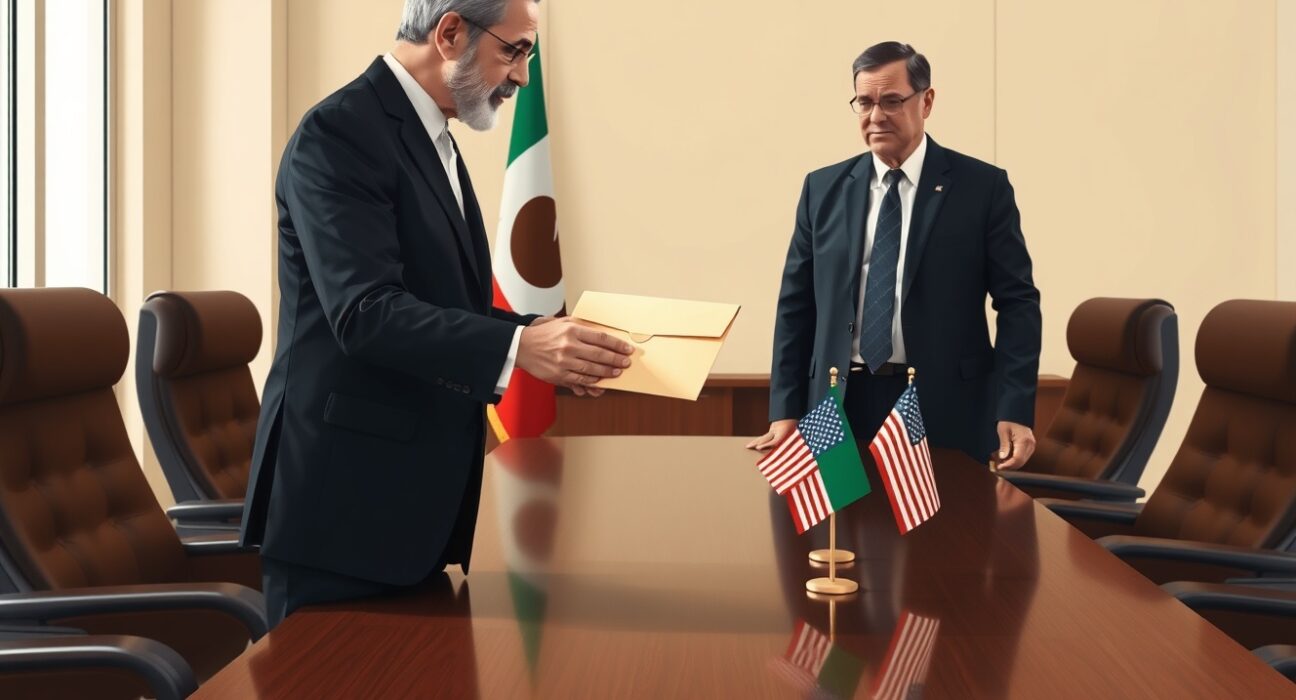
Iran has delivered its latest diplomatic proposal to the United States through a Pakistani mediator. This development marks a significant step in the ongoing efforts to address long-standing tensions between Tehran and Washington. The move comes amid heightened regional instability and renewed international focus on nuclear negotiations.
Iran Sends Latest Proposal to US: The Diplomatic Channel
Pakistan’s role as a mediator is not new. Islamabad has historically facilitated communication between Iran and the US. In this case, the proposal reportedly addresses key sticking points in the stalled nuclear talks. It also touches on regional security concerns.
According to diplomatic sources, the proposal includes concrete steps for de-escalation. It outlines a framework for mutual concessions. Both sides have remained tight-lipped about the exact details. However, analysts suggest the document covers uranium enrichment levels and sanctions relief.
This channel offers a backchannel advantage. It allows both nations to test ideas without public scrutiny. Pakistan’s geographical and cultural ties to Iran make it a trusted intermediary. Its relationship with the US also adds credibility to the process.
Why Pakistan? The Mediator’s Strategic Role
Pakistan shares a 900-kilometer border with Iran. This proximity gives Islamabad unique insight into Tehran’s security concerns. Furthermore, Pakistan maintains strong military and intelligence ties with Washington. This dual relationship makes it an ideal go-between.
Pakistan’s foreign ministry confirmed the mediation role. Officials stated they are facilitating communication in good faith. They emphasized the importance of regional peace. This stance aligns with Pakistan’s broader foreign policy goals.
Using a Pakistani mediator also reduces the risk of public failure. If talks collapse, neither side suffers direct humiliation. This diplomatic buffer is crucial in high-stakes negotiations. It allows for more flexible and creative solutions.
Historical Context: US-Iran Tensions and Past Mediation Efforts
Relations between Iran and the US have been fraught since the 1979 Islamic Revolution. The hostage crisis, sanctions, and military confrontations have defined the relationship. Several countries have tried to mediate over the years.
Oman served as a key mediator in the past. It facilitated secret talks that led to the 2015 Joint Comprehensive Plan of Action (JCPOA). The US withdrew from that deal in 2018. Since then, tensions have escalated dramatically.
Switzerland also acts as the US protecting power in Iran. It handles consular matters and diplomatic communications. However, Pakistan’s current role suggests a shift in strategy. It may indicate that Tehran seeks a more active Muslim-majority mediator.
Turkey has also offered to mediate in the past. Yet, its NATO membership and complex relations with Iran complicate its role. Pakistan, by contrast, maintains a more balanced position. This neutrality is a key asset.
Key Elements of the Latest Proposal
While the full text remains confidential, analysts have pieced together likely components. The proposal probably includes the following elements:
- Uranium enrichment limits: Iran may agree to cap enrichment at 60% purity. This would ease Western fears of a nuclear weapon.
- Sanctions relief: Tehran seeks the removal of oil and banking sanctions. This would revive its struggling economy.
- Regional security guarantees: Iran might limit support for proxy groups. This could reduce tensions in Yemen, Syria, and Iraq.
- IAEA access: Iran may grant broader inspection rights. This would rebuild trust in its nuclear program.
- Prisoner exchange: Both sides may agree to swap detained nationals. This would build goodwill.
These points represent a potential compromise. However, major gaps remain. The US insists on full compliance with the JCPOA. Iran demands guarantees that the US will not withdraw again.
Expert Analysis: What This Means for Global Diplomacy
Dr. Farzad Ramezani, a geopolitical analyst at the University of Tehran, describes the move as pragmatic. He notes that Iran is under immense economic pressure. The country faces inflation above 40% and widespread unemployment. A diplomatic opening offers a lifeline.
On the US side, the Biden administration seeks a foreign policy win. The war in Ukraine and competition with China dominate attention. A deal with Iran would reduce one major crisis. It would also lower global oil prices.
However, experts warn against over-optimism. Hardliners in both capitals oppose compromise. In Iran, the Islamic Revolutionary Guard Corps (IRGC) benefits from tensions. In the US, congressional Republicans criticize any concessions.
Timing is also critical. Iran’s presidential election is scheduled for 2025. The current government may want a deal before then. Conversely, the US faces its own election cycle. Political calendars often drive diplomatic momentum.
Regional Reactions and Implications
Iran’s neighbors are watching closely. Saudi Arabia, a US ally, has its own concerns about Iran. The two countries recently restored diplomatic relations. A US-Iran deal could reinforce this detente.
Israel views any agreement with deep suspicion. Prime Minister Benjamin Netanyahu has called the JCPOA a mistake. Israel may pressure Washington to maintain a tough stance. This could complicate negotiations.
Gulf Arab states have mixed reactions. The UAE and Bahrain normalized ties with Israel. They seek US security guarantees. A US-Iran deal might reduce their leverage. However, it could also lower the risk of regional war.
Pakistan’s role enhances its regional standing. It demonstrates Islamabad’s ability to influence major issues. This could help Pakistan secure economic support from the US. It also strengthens ties with Iran.
Challenges and Potential Roadblocks
Despite the positive signal, significant obstacles remain. Trust between the parties is extremely low. Past violations of agreements have created deep skepticism. Both sides demand verification mechanisms.
Domestic politics pose another challenge. In Iran, hardliners control key institutions. They may sabotage any agreement that limits their power. In the US, Congress could impose new sanctions. This would undermine the deal.
The mediator’s role is also delicate. Pakistan must balance its own interests. It cannot appear too close to either side. Any perceived bias could derail the process. Islamabad must maintain strict neutrality.
External events could also disrupt talks. A new crisis in the Middle East might shift priorities. For example, an escalation in the Israel-Palestine conflict could harden positions. Similarly, a major cyberattack could halt progress.
Timeline of Key Events Leading to This Proposal
Understanding the timeline helps contextualize the current move:
| Date | Event |
|---|---|
| 2015 | JCPOA signed between Iran and P5+1 |
| 2018 | US withdraws from JCPOA, reimposes sanctions |
| 2020 | US kills Iranian General Qasem Soleimani |
| 2021 | Iran enriches uranium to 60% purity |
| 2022 | Talks in Vienna stall |
| 2023 | Iran and Saudi Arabia restore ties |
| 2024 | Pakistan offers mediation |
| 2025 | Iran sends latest proposal via Pakistan |
This timeline shows a pattern of escalation and occasional diplomacy. The current proposal represents the most serious effort since 2022. It reflects a mutual recognition that the status quo is unsustainable.
Impact on Global Markets and Energy Security
News of the proposal has already affected oil markets. Crude prices dipped slightly on hopes of increased supply. Iran holds the world’s fourth-largest oil reserves. Sanctions relief could add 1-2 million barrels per day to global markets.
This would lower energy costs for consumers worldwide. It would also reduce Russia’s leverage over energy markets. Iran could become an alternative supplier to Europe. This would diversify energy sources and enhance security.
However, the impact depends on the deal’s scope. A limited agreement may not lead to full sanctions relief. Markets will watch for concrete steps, not just proposals. Investors remain cautious until a final agreement is signed.
Humanitarian and Civil Society Perspectives
Human rights groups have mixed views on the proposal. Some argue that a deal should include human rights conditions. They point to Iran’s crackdown on protests and political prisoners. Others prioritize nuclear non-proliferation above all else.
Iranian citizens face severe economic hardship. Sanctions have reduced access to medicine and basic goods. A deal could improve living standards. It could also reduce political repression if the government feels less threatened.
Civil society organizations urge transparency. They want the proposal’s details to be public. This would allow for democratic debate. However, diplomatic negotiations often require secrecy. Balancing openness with effectiveness is a constant challenge.
Conclusion
Iran sends latest proposal to US via Pakistani mediator. This development offers a potential path to de-escalation. It reflects pragmatic diplomacy from both sides. However, significant hurdles remain. Trust deficits, domestic politics, and regional rivalries could derail progress. The world watches as these secret talks unfold. The outcome will shape Middle Eastern stability for years to come. Success would mark a historic diplomatic achievement. Failure could lead to further confrontation. The stakes could not be higher.
FAQs
Q1: Why did Iran choose Pakistan as a mediator?
Pakistan shares a border with Iran and maintains strong ties with the US. This dual relationship makes it a trusted and neutral intermediary. It also has experience in facilitating complex negotiations.
Q2: What is the main goal of Iran’s latest proposal?
The proposal aims to restart nuclear talks and secure sanctions relief. It also addresses regional security concerns. Both sides seek a framework for de-escalation and mutual concessions.
Q3: How does this proposal differ from previous attempts?
This proposal uses a new mediator and comes after a long stalemate. It reportedly includes more concrete steps and a broader scope. It also reflects lessons learned from past failures.
Q4: What are the biggest obstacles to a deal?
Deep mistrust between the parties is the main obstacle. Domestic hardliners in both countries oppose compromise. Verification mechanisms and enforcement remain contentious issues.
Q5: How might this affect oil prices and global markets?
If successful, the deal could add Iranian oil to global markets. This would lower prices and improve energy security. However, markets will wait for a final agreement before reacting fully.
Disclaimer: The information provided is not trading advice, Bitcoinworld.co.in holds no liability for any investments made based on the information provided on this page. We strongly recommend independent research and/or consultation with a qualified professional before making any investment decisions.
