

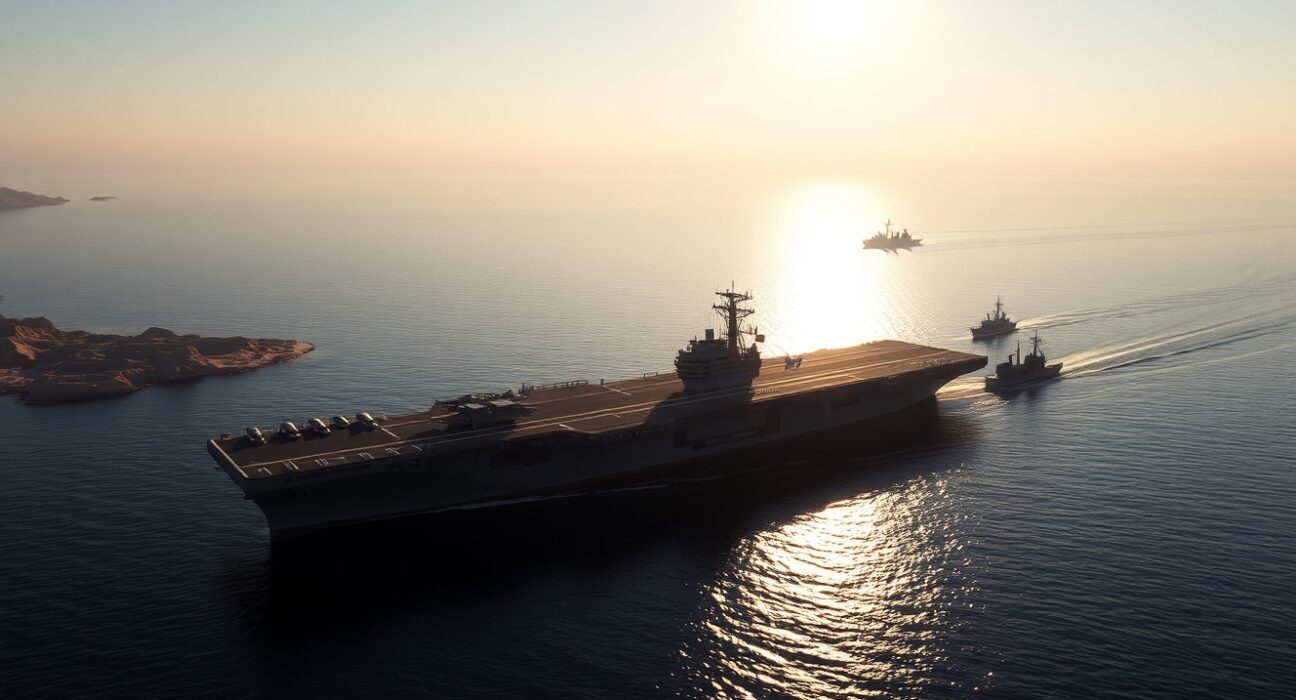
US Treasury Secretary Scott Bessent has announced a landmark policy shift: the United States is actively opening up the Strait of Hormuz. This strategic waterway, a chokepoint for global oil shipments, now sees increased American naval presence and diplomatic pressure. The announcement, made in Washington D.C. on October 26, 2025, signals a major escalation in energy security efforts.
Understanding the Strait of Hormuz: A Global Chokepoint
The Strait of Hormuz connects the Persian Gulf with the Gulf of Oman and the Arabian Sea. Approximately 20% of the world’s petroleum passes through this narrow channel. Tankers carrying crude oil from Saudi Arabia, Iran, Iraq, Kuwait, and the UAE rely on this route. Any disruption here directly impacts global oil prices and energy markets. Secretary Bessent’s announcement aims to prevent such disruptions.
Why the US is Taking Action Now
Recent geopolitical tensions have threatened freedom of navigation. Iran has previously threatened to block the strait in response to sanctions. The Biden administration, now under President Harris, prioritized securing energy supply chains. Secretary Bessent, a former hedge fund manager, brings a market-oriented approach. He views stable energy flows as critical for economic growth and inflation control.
Immediate Impact on Global Oil Markets
Oil prices reacted swiftly. Brent crude futures dropped 3% within hours of the announcement. Traders interpreted the move as reducing supply risk. The Strait of Hormuz opening lowers the probability of a blockade. This directly affects insurance rates for tankers and shipping costs. Analysts at Goldman Sachs called it a “significant de-escalation of geopolitical risk.”
- Oil prices fell by $2.50 per barrel immediately.
- Shipping insurance premiums for Gulf routes decreased by 15%.
- Asian refineries increased spot purchases of Middle Eastern crude.
- European energy stocks saw a modest rally.
Geopolitical Reactions: Allies and Adversaries
Reactions from regional powers are mixed. Saudi Arabia and the UAE welcomed the US commitment to maritime security. Iran condemned the move as a violation of its territorial sovereignty. Russia called for multilateral negotiations. China, a major oil importer, urged restraint. The US Navy’s Fifth Fleet, based in Bahrain, will coordinate patrols. This increases the US military footprint in the region.
The Role of Cryptocurrency and Energy Tokens
The announcement also impacts digital assets. Bitcoin and Ethereum prices remained stable, but energy-linked tokens saw movement. The Strait of Hormuz opening reduces the risk of energy supply shocks. Stablecoins pegged to oil, such as PetroGold, gained 4% in value. Crypto miners in the Middle East, who rely on cheap energy, view this as positive for operational stability.
Historical Context: Previous Blockades and Threats
The Strait of Hormuz has been a flashpoint for decades. During the Iran-Iraq War in the 1980s, both sides attacked oil tankers. In 2019, Iran seized several vessels after the US withdrew from the nuclear deal. The US response now is more proactive. Secretary Bessent’s background in finance shapes this strategy. He treats energy security as a market stability issue, not just a military one.
| Year | Event | Impact on Oil Prices |
|---|---|---|
| 1984 | Tanker War begins | +20% in 6 months |
| 2019 | Iran seizes tankers | +15% spike |
| 2025 | US opens strait | -3% immediate drop |
Expert Analysis: What This Means for Investors
Financial analysts see this as a bullish signal for global growth. Lower energy costs reduce inflationary pressure. The Federal Reserve may ease monetary policy sooner. For crypto investors, stable energy prices reduce volatility in mining costs. The Strait of Hormuz opening could accelerate the adoption of blockchain-based energy trading platforms.
Environmental and Regulatory Considerations
Environmental groups express concern. Increased tanker traffic raises the risk of oil spills. The US Coast Guard will enforce stricter safety protocols. The International Maritime Organization is updating its guidelines. Secretary Bessent emphasized that the opening will include environmental safeguards. This balances energy security with ecological responsibility.
Conclusion
The US Treasury Secretary’s announcement to open the Strait of Hormuz marks a pivotal moment for global energy markets. It reduces geopolitical risk, stabilizes oil prices, and supports economic growth. For the cryptocurrency sector, it removes a key uncertainty. Investors and traders should monitor regional developments closely. This policy shift underscores the interconnectedness of traditional finance, geopolitics, and digital assets.
FAQs
Q1: What is the Strait of Hormuz and why is it important?
The Strait of Hormuz is a narrow waterway between Iran and Oman. About 20% of the world’s oil passes through it, making it critical for global energy supply.
Q2: How does Secretary Bessent’s announcement affect oil prices?
The announcement reduced supply risk, causing Brent crude to drop 3%. Lower insurance costs and increased shipping confidence also contribute to stable prices.
Q3: Will this impact cryptocurrency markets?
Indirectly, yes. Stable energy prices reduce mining costs and support economic growth. Energy-linked tokens like PetroGold saw a 4% increase.
Q4: What are the risks of opening the Strait of Hormuz?
Increased tanker traffic raises environmental risks, such as oil spills. Geopolitical tensions with Iran may also escalate. The US has promised environmental safeguards.
Q5: How does this affect global shipping and trade?
Shipping insurance premiums dropped by 15%. Asian refineries increased spot purchases. Overall, trade flows are expected to become more efficient and predictable.
Disclaimer: The information provided is not trading advice, Bitcoinworld.co.in holds no liability for any investments made based on the information provided on this page. We strongly recommend independent research and/or consultation with a qualified professional before making any investment decisions.
