

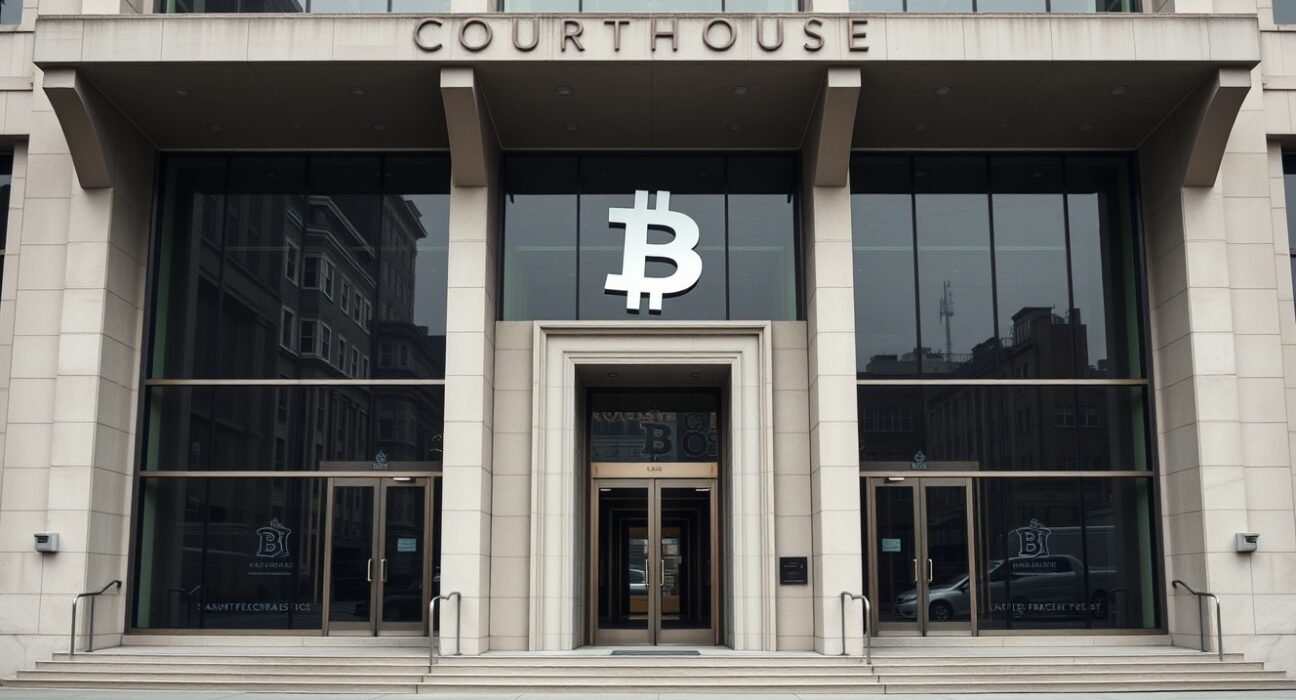
A new lawsuit filed in a San Francisco federal court accuses Coinbase of holding $55 million in DAI stablecoins that were allegedly stolen in a hack and laundered through the privacy protocol Tornado Cash. The plaintiff, who claims rightful ownership of the frozen assets, is demanding their immediate return. The case highlights the growing legal tension between cryptocurrency exchanges, victims of theft, and the regulatory framework surrounding frozen digital assets.
The Allegations and Frozen Funds
According to the complaint, an unidentified hacker stole approximately $55 million in DAI and then used Tornado Cash to obfuscate the transaction trail before depositing a portion of the funds into a Coinbase account. Coinbase subsequently froze the assets, citing security concerns. The plaintiff, who has not been named publicly, asserts that the funds belong to them and that Coinbase is unlawfully withholding the money. The lawsuit also names the presumed hacker as a defendant, though their identity remains unknown.
Coinbase has publicly acknowledged that it holds the funds in question. In a statement, the exchange indicated that it requires a court order to release the frozen assets, a standard procedure in cases involving potentially stolen or illicit funds. This position places the exchange in the middle of a complex legal dispute between the alleged victim and the unknown perpetrator.
Broader Implications for Crypto Exchanges
This lawsuit underscores a recurring challenge for centralized exchanges: balancing the duty to protect customer assets with the legal obligation to comply with anti-money laundering (AML) and know-your-customer (KYC) regulations. When funds are flagged as potentially stolen, exchanges often freeze them pending investigation. However, determining the rightful owner can be legally fraught, especially when the funds have passed through privacy tools like Tornado Cash.
Tornado Cash itself has been a flashpoint in crypto regulation. The U.S. Treasury Department sanctioned the protocol in 2022, alleging it facilitated money laundering by North Korean hackers and other illicit actors. While those sanctions have faced legal challenges, the tool remains a focal point for regulators. The involvement of Tornado Cash in this case adds a layer of regulatory complexity, as exchanges must decide whether to honor the sanctions or risk facilitating illegal transactions.
What This Means for DAI Holders and Investors
For everyday crypto users, the case serves as a reminder that stablecoins like DAI, while designed to maintain a 1:1 peg to the U.S. dollar, are not immune to theft or legal disputes. When assets are frozen by an exchange, recovery can require costly and time-consuming litigation. The outcome of this lawsuit could set a precedent for how exchanges handle frozen assets linked to hacks, particularly when privacy tools are involved.
Legal experts note that the case may also test the limits of Coinbase’s liability. If the court rules that the exchange must return the funds to the plaintiff without a clear identification of the hacker, it could open the door to similar claims from other alleged victims. Conversely, if Coinbase is required to hold the funds until the hacker is identified, it may create a backlog of frozen assets and legal battles.
Conclusion
The lawsuit against Coinbase over $55 million in frozen DAI is a significant development in the ongoing intersection of cryptocurrency, privacy, and law enforcement. As the case progresses through the federal court system, it will likely influence how exchanges manage frozen assets and respond to claims of theft. For now, the frozen DAI remains in limbo, awaiting a judicial decision that could have lasting implications for the broader crypto ecosystem.
FAQs
Q1: Why did Coinbase freeze the DAI funds?
Coinbase froze the funds after they were flagged as potentially stolen, following a hack and laundering through Tornado Cash. The exchange requires a court order to release them, as standard procedure in such cases.
Q2: What is Tornado Cash and why is it relevant?
Tornado Cash is a privacy protocol that obscures transaction trails on the Ethereum blockchain. It has been sanctioned by the U.S. Treasury for alleged use in money laundering, making its involvement in this case a key legal and regulatory issue.
Q3: Could this lawsuit affect how other exchanges handle frozen assets?
Yes. The court’s decision may set a precedent for how exchanges determine the rightful owner of frozen funds, especially when the funds have passed through privacy tools. It could also influence future regulatory guidance on asset freezes and recovery.
Disclaimer: The information provided is not trading advice, Bitcoinworld.co.in holds no liability for any investments made based on the information provided on this page. We strongly recommend independent research and/or consultation with a qualified professional before making any investment decisions.
