

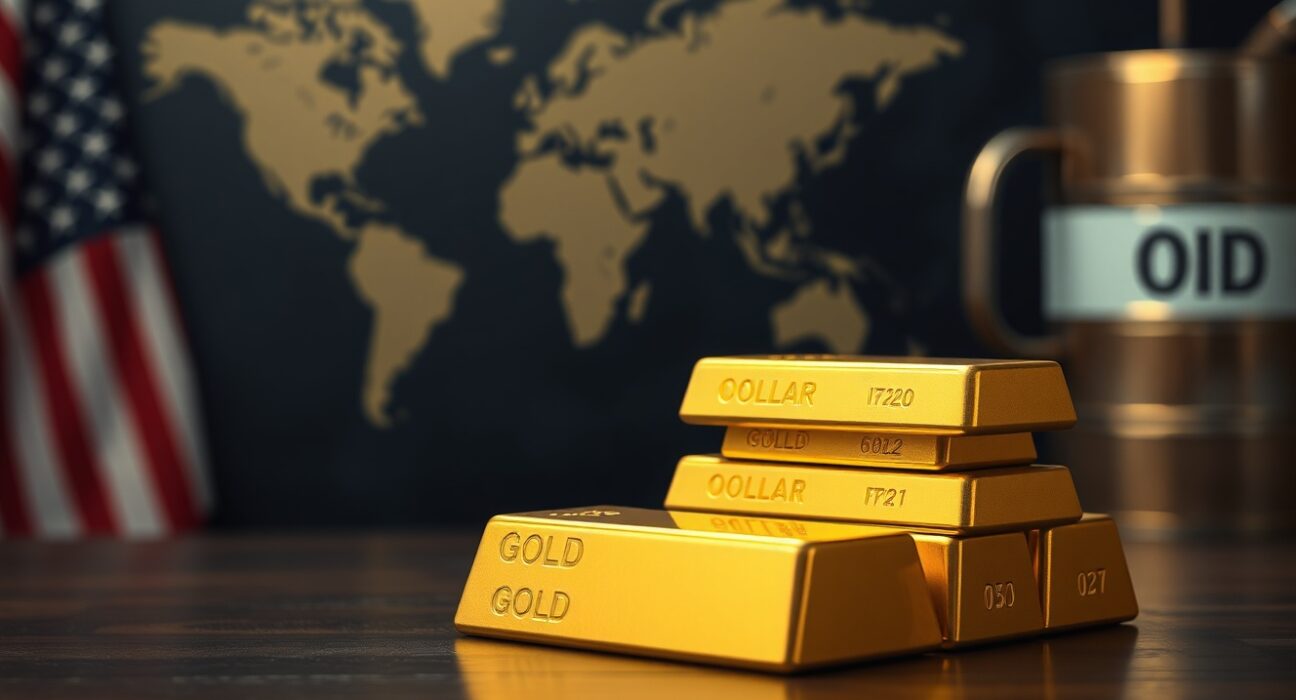
Gold prices have rallied sharply in recent trading sessions, driven by a sudden shift in geopolitical sentiment as renewed diplomatic efforts in the Middle East fuel hopes for a de-escalation of regional conflicts. The prospect of peace has simultaneously pressured crude oil prices and the US Dollar, creating a distinct rotation in global financial markets.
Peace Talks Reshape Market Dynamics
Reports of high-level negotiations between key regional powers, brokered by international mediators, have sparked optimism that long-standing tensions could ease. Historically, periods of reduced geopolitical risk lead investors to move away from safe-haven currencies like the US Dollar and toward tangible assets. This time, gold is the primary beneficiary.
The US Dollar Index (DXY) has fallen over 1% in the past week, reflecting diminished demand for the greenback as a避险 currency. Simultaneously, Brent crude oil futures have dropped by approximately 4%, as markets price in a lower risk premium associated with potential supply disruptions in the Middle East.
Why Gold Is Outperforming
Gold’s surge is not merely a reaction to a weaker dollar. The metal is also benefiting from a broader recalibration of expectations. With oil prices declining, inflation concerns are easing slightly, which could reduce the urgency for central banks to maintain aggressive interest rate policies. Lower real interest rates historically support gold prices.
Central banks, particularly in emerging markets, have been net buyers of gold throughout 2025, adding a structural demand floor. The current geopolitical shift is accelerating that trend as nations seek to diversify reserves away from dollar-denominated assets.
Impact on Investors and Portfolios
For investors, the current environment presents a classic risk-on versus risk-off dilemma. The drop in oil prices benefits importing nations and consumer-focused sectors, while the dollar’s weakness boosts export competitiveness for US-based multinationals. However, gold’s rally suggests that many institutional players remain cautious, hedging against the possibility that peace talks could stall.
Market analysts advise monitoring diplomatic developments closely. A breakthrough could lead to further dollar weakness and gold gains, while a breakdown in talks could reverse the moves just as quickly.
Conclusion
The convergence of falling oil prices, a weaker US Dollar, and rising gold prices underscores the market’s sensitivity to geopolitical change. While peace in the Middle East would be a welcome development on humanitarian grounds, its financial ripple effects are already reshaping currency and commodity markets. Investors should remain vigilant, as the situation remains fluid and headline-driven.
FAQs
Q1: Why does Middle East peace affect gold prices?
Gold is a traditional safe-haven asset. When geopolitical tensions ease, investors often shift away from the US Dollar, which weakens the dollar and makes gold, priced in dollars, more attractive. Additionally, lower oil prices reduce inflation expectations, which can support gold.
Q2: How does oil price decline relate to the US Dollar?
Oil is typically traded in US Dollars. When oil prices fall, demand for dollars from oil-importing countries decreases, putting downward pressure on the dollar. A weaker dollar then boosts the price of gold and other commodities.
Q3: Is this a good time to buy gold?
Market timing is difficult. The current rally reflects optimism about peace, but if negotiations fail, gold could reverse. Investors should consider their own risk tolerance and portfolio diversification goals rather than reacting to short-term geopolitical news.
Disclaimer: The information provided is not trading advice, Bitcoinworld.co.in holds no liability for any investments made based on the information provided on this page. We strongly recommend independent research and/or consultation with a qualified professional before making any investment decisions.
