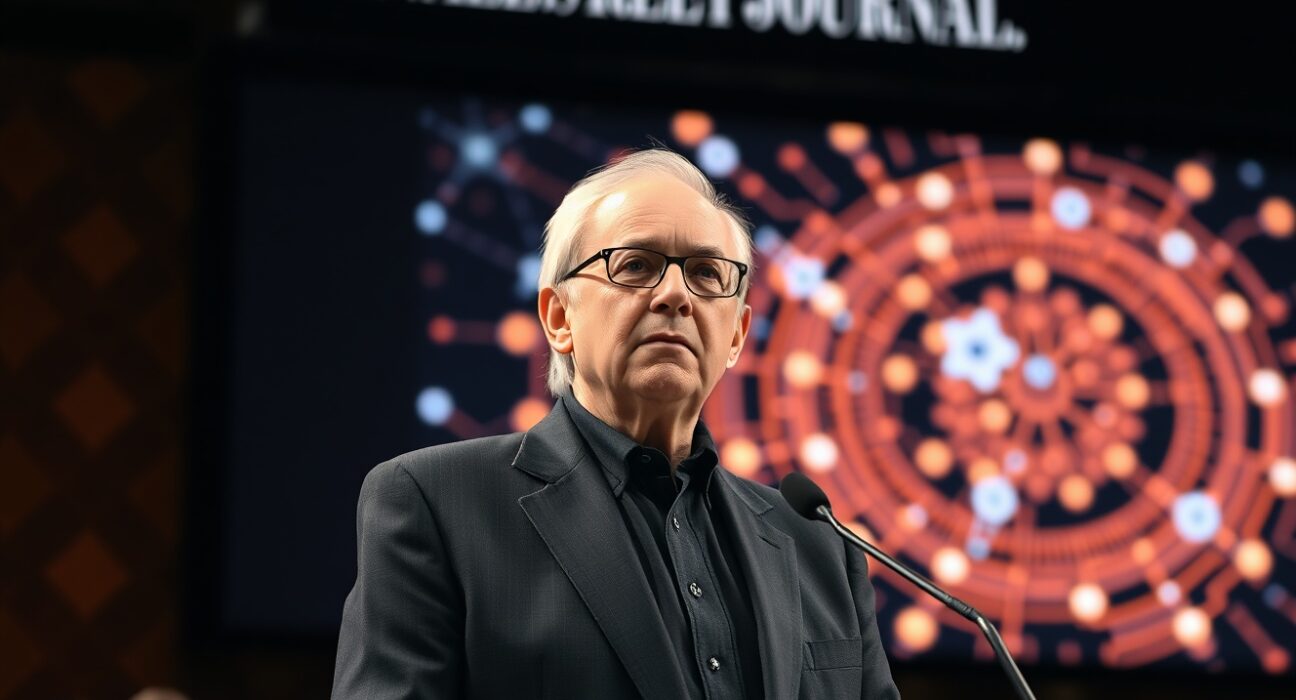
Billionaire media mogul Barry Diller has offered a nuanced defense of OpenAI CEO Sam Altman, saying he believes Altman is sincere and decent — but warning that trust in any individual may ultimately be irrelevant as artificial general intelligence (AGI) draws closer. Speaking on stage at The Wall Street Journal’s ‘Future of Everything’ conference this week, Diller addressed growing concerns about Altman’s trustworthiness, which have been fueled by reports from former colleagues and board members who described him as manipulative or deceptive.
Trust vs. the unknown
Diller, a co-founder of Fox Broadcasting and chairman of IAC and Expedia Group, said that while he considers Altman a ‘decent person with good values,’ the real issue is not about character. ‘One of the big issues with AI is it goes way beyond trust,’ Diller said. ‘It may be that trust is irrelevant because the things that are happening are a surprise to the people who are making those things happen.’ He noted that AI developers themselves often express a sense of wonder at the outcomes of their work, underscoring the unpredictability of the technology. ‘We have embarked on something that is going to change almost everything,’ Diller added. ‘It is not under-reported. Now, whether these huge investments are going to come through — I couldn’t care less. I’m not invested in it, but progress is going to be made.’
Guardrails and the AGI horizon
The media executive emphasized that the conversation should shift from personal trust to systemic safeguards. ‘The issue is not their stewardship. The issue is dealing truly with the unknown. They don’t know what can happen once you get AGI, and we’re close to it. We’re not there yet, but we’re getting closer and closer, quicker and quicker. And we must think about guardrails,’ Diller said. He warned that without human-imposed limits, the alternative could be far worse. ‘If humans don’t think about guardrails, then the alternative is that another force, an AGI force, will do it themselves. And once that happens, once you unleash that, there’s no going back.’
Why this matters
Diller’s comments arrive at a time when public and regulatory scrutiny of AI development is intensifying. Altman’s leadership at OpenAI has been both celebrated and criticized, and the debate over AGI safety is no longer theoretical — it is shaping policy discussions in Washington, Brussels, and beyond. Diller, who has no financial stake in AI companies, offers a rare perspective from outside the tech sector, framing the challenge as one of governance rather than personality. His remarks suggest that even if Altman is trustworthy, the scale and speed of AI progress may outpace any individual’s ability to control it.
Conclusion
Barry Diller’s defense of Sam Altman’s character is notable, but his larger point — that trust in any single leader is insufficient to manage the risks of AGI — carries weight as the technology accelerates. The call for guardrails, made by an experienced media executive with no direct financial interest, adds a grounded voice to a debate often dominated by technologists and investors. As AGI inches closer, the question may no longer be whom to trust, but how to prepare for what no one can fully predict.
FAQs
Q1: Did Barry Diller fully defend Sam Altman?
Yes, Diller said he believes Altman is sincere and a decent person with good values. However, he argued that trust in any individual is less important than addressing the unknown consequences of AGI.
Q2: What did Diller say about AGI and guardrails?
Diller warned that AGI is approaching quickly and that society must implement guardrails now. Without them, he said, AGI itself could impose its own rules, with no possibility of reversal.
Q3: Does Diller have financial investments in AI?
No. Diller explicitly stated he is not invested in AI companies, which gives his commentary an independent perspective.
Disclaimer: The information provided is not trading advice, Bitcoinworld.co.in holds no liability for any investments made based on the information provided on this page. We strongly recommend independent research and/or consultation with a qualified professional before making any investment decisions.