

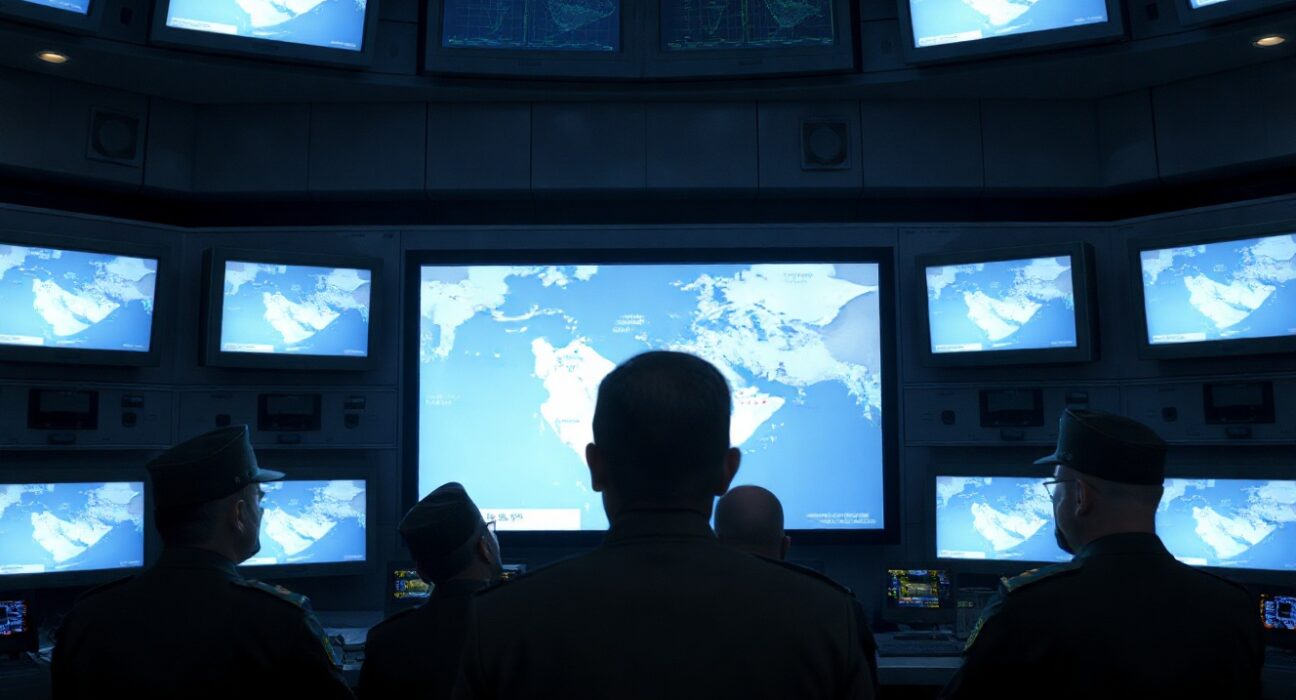
Iran’s Khatam al-Anbiya Central Command announced today that its military has carried out retaliatory strikes against U.S. forces, accusing the United States of violating a ceasefire and attacking Iranian vessels in the strategic waters near the Strait of Hormuz.
Iran’s Allegations and Response
According to a statement from a spokesperson, the U.S. military allegedly struck an Iranian oil tanker traveling from the coast of Jask toward the Strait of Hormuz, as well as another vessel entering the strait opposite the UAE’s Port of Fujairah. Iran further claimed that the U.S., in coordination with certain regional countries, conducted airstrikes on civilian areas off the coasts of Hamil, Sirik, and Qeshm Island.
In response, the Iranian military stated it attacked U.S. warships positioned east of the Strait of Hormuz and south of the Port of Chabahar, claiming to have inflicted what it described as significant losses. The spokesperson emphasized that Iran will respond to any act of aggression, though no independent verification of these claims has been provided.
Context and Strategic Significance
The Strait of Hormuz is a critical maritime chokepoint, through which about 20% of the world’s oil passes. Any military confrontation in this region has immediate implications for global energy markets and shipping security. Iran has previously used threats to disrupt traffic through the strait as leverage in diplomatic and military standoffs with the United States.
This latest exchange follows a period of heightened tensions between the two nations, with ongoing disputes over Iran’s nuclear program, regional proxy forces, and sanctions. The U.S. has not yet issued an official response to Iran’s allegations, and independent confirmation of the reported attacks remains unavailable.
Implications for Regional Stability
If verified, this incident would represent a significant escalation in direct military engagement between Iran and the United States, moving beyond proxy conflicts. Analysts warn that miscalculations in the confined waters of the Persian Gulf could quickly lead to broader hostilities. The international community, including Gulf Arab states and major shipping nations, is closely monitoring the situation for any signs of further escalation or diplomatic de-escalation.
Conclusion
Iran’s claim of retaliatory strikes on U.S. warships marks a serious development in an already volatile region. Without independent verification, the full scope of the incident remains unclear, but the potential for disruption to global oil supplies and regional security is significant. Readers should watch for official U.S. statements and credible third-party reporting for further clarity.
FAQs
Q1: Has the United States confirmed Iran’s claims of attacks on its warships?
As of this report, the U.S. has not issued an official response. The claims remain unverified by independent sources.
Q2: Why is the Strait of Hormuz strategically important?
The strait is a narrow waterway between Iran and the Arabian Peninsula, through which a large portion of the world’s oil supply is transported. Any military conflict there can disrupt global energy markets.
Q3: What are the broader implications of this incident?
If confirmed, this would be a direct military engagement between Iran and the U.S., potentially escalating into a wider conflict. It also raises concerns for maritime security and oil prices.
Disclaimer: The information provided is not trading advice, Bitcoinworld.co.in holds no liability for any investments made based on the information provided on this page. We strongly recommend independent research and/or consultation with a qualified professional before making any investment decisions.
