

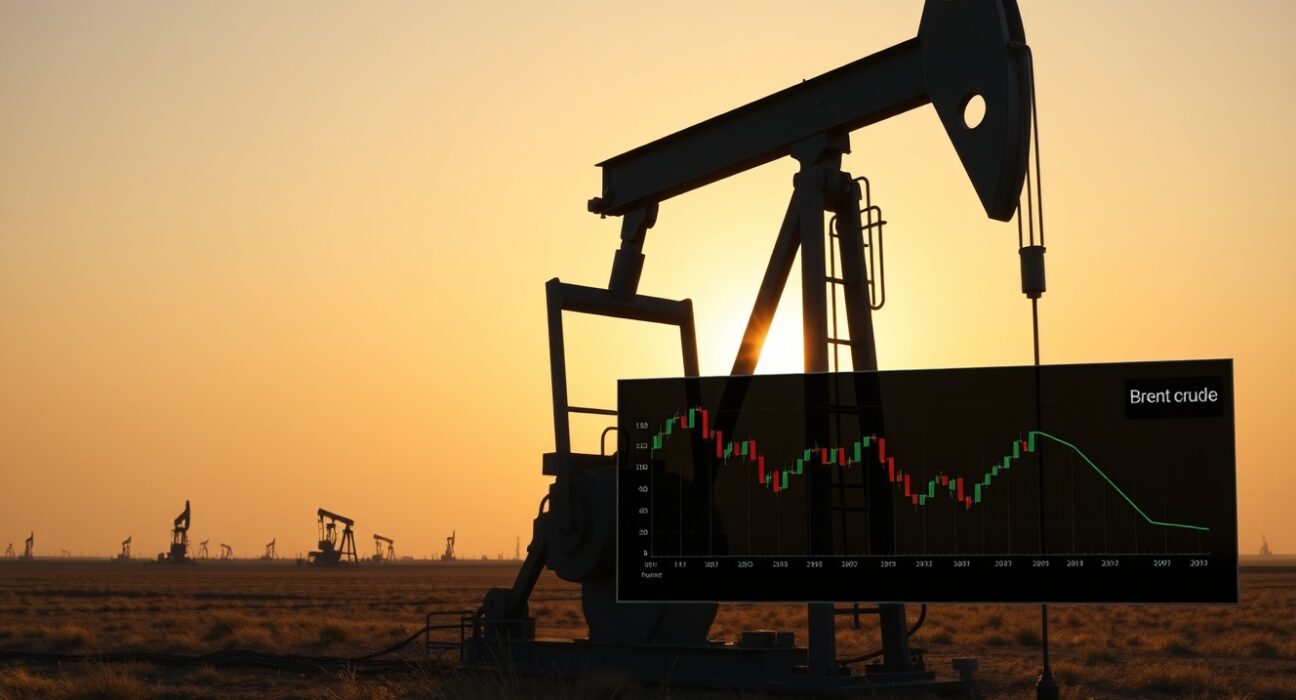
Analysts at DBS Bank have observed that Brent crude oil prices remain constrained within a relatively narrow band, as the market prices in only a limited risk of broader conflict escalation. According to their latest note, the current geopolitical risk premium embedded in oil futures is modest, preventing a sustained breakout above recent highs.
Geopolitical Premium Remains Subdued
DBS strategists point out that while regional tensions persist, the likelihood of a direct disruption to major oil supply routes or production hubs is currently assessed as low. This assessment has kept the so-called ‘war risk’ premium in check, allowing fundamentals such as global demand growth and OPEC+ supply decisions to dominate price action. Brent crude has oscillated in a $5–7 per barrel range over the past several weeks, unable to breach the $85 level decisively.
Fundamental Factors at Play
Beyond geopolitics, the oil market is grappling with mixed signals. On the demand side, economic data from China and Europe has shown weakness, tempering expectations for robust consumption growth. Meanwhile, OPEC+ continues to maintain production cuts, though compliance among member nations varies. The U.S. Energy Information Administration (EIA) has also reported rising domestic inventories in recent weeks, adding to the downward pressure on prices.
What This Means for Traders and Consumers
For traders, the capped range suggests that short-term volatility may remain low unless a new catalyst emerges — such as a significant supply outage or a surprise shift in central bank policy. For consumers, particularly at the pump, stable crude prices imply that retail fuel costs are unlikely to spike in the near term, barring unexpected refinery disruptions or tax changes. However, the market remains sensitive to any escalation in conflict zones, which could quickly reintroduce a higher risk premium.
Conclusion
DBS’s analysis reinforces the view that Brent crude is currently trading in a ‘wait-and-see’ mode, with limited war risk acting as a ceiling. Until either geopolitical tensions materially escalate or fundamental demand data shifts significantly, the oil market is likely to remain rangebound. Investors should monitor both diplomatic developments and upcoming OPEC+ meetings for clearer directional cues.
FAQs
Q1: What is the ‘war risk premium’ in oil markets?
The war risk premium is the additional price component added to crude oil futures due to the possibility of supply disruptions from geopolitical conflicts. When the perceived risk of conflict is low, this premium shrinks, keeping prices more aligned with supply-demand fundamentals.
Q2: Why is Brent crude unable to break above $85 per barrel?
According to DBS, the combination of limited geopolitical risk, weak demand signals from major economies like China and Europe, and rising U.S. inventories has created a ceiling. Without a significant supply shock or a major shift in demand outlook, prices lack the momentum to sustain a breakout.
Q3: How does limited war risk affect gasoline prices for consumers?
When crude oil prices are stable and capped, retail gasoline prices tend to remain relatively steady. This means consumers are less likely to see sharp increases at the pump in the short term, though other factors like refinery maintenance and seasonal demand can still cause local fluctuations.
Disclaimer: The information provided is not trading advice, Bitcoinworld.co.in holds no liability for any investments made based on the information provided on this page. We strongly recommend independent research and/or consultation with a qualified professional before making any investment decisions.
