

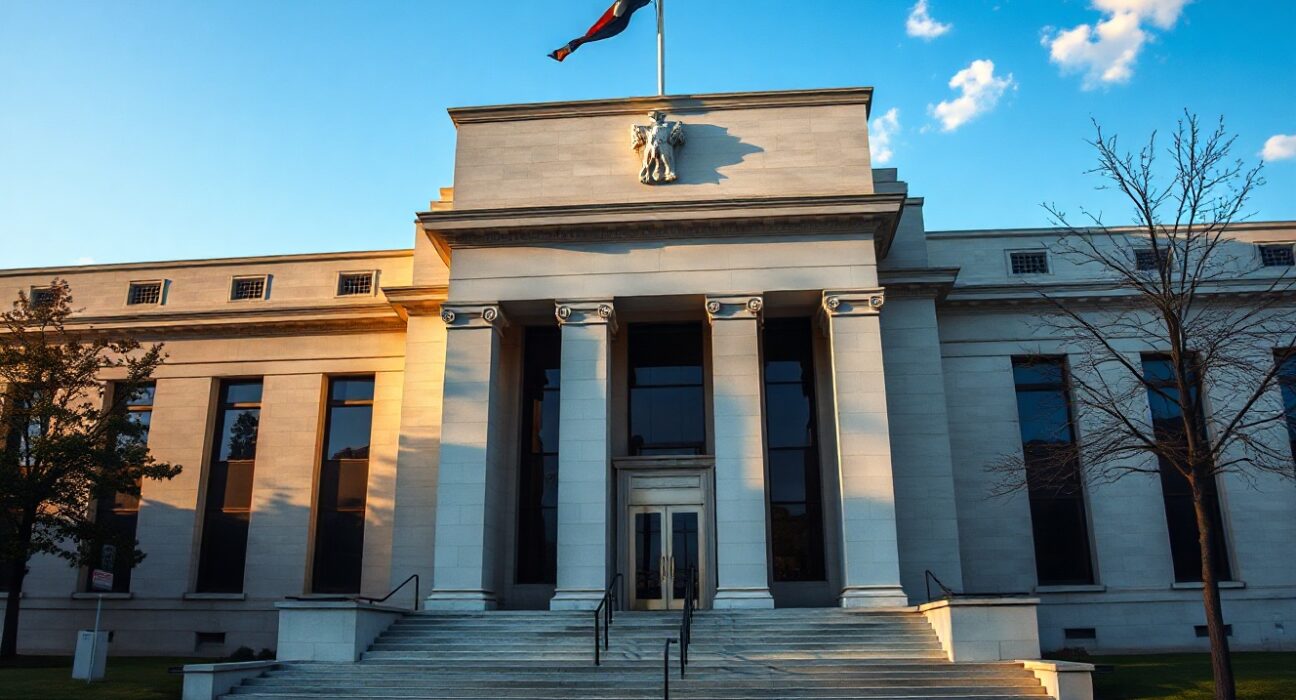
Federal Reserve Governor Adriana Milan stated on Tuesday that an interest rate cut is appropriate, arguing that the central bank’s current monetary policy stance is actively suppressing the labor market. Her remarks add a significant voice to the growing debate within the Fed about the timing and pace of rate reductions.
Milan’s Assessment of the Labor Market
In prepared remarks delivered at a conference in New York, Milan said the Fed’s benchmark interest rate, currently at 5.25% to 5.50%, is acting as a brake on hiring and wage growth. She pointed to recent data showing a slowdown in job creation and a slight uptick in the unemployment rate as evidence that policy is now overly restrictive.
“The labor market is no longer overheating; it is being suppressed by the current level of interest rates,” Milan said. She emphasized that the risk of keeping rates too high for too long now outweighs the risk of cutting too soon, given that inflation has moderated significantly from its peak.
Implications for the Fed’s Next Moves
Milan’s comments are among the most explicit from a Fed official in recent weeks regarding the need for a near-term rate cut. While other policymakers have acknowledged progress on inflation, they have remained cautious about declaring victory. Milan’s assessment suggests a growing internal divide, with some officials now prioritizing labor market stability over inflation control.
Market participants reacted swiftly, with futures contracts pricing in a higher probability of a quarter-point cut at the Fed’s next meeting in September. The yield on the two-year Treasury note fell modestly following the remarks.
What This Means for Borrowers and Investors
For consumers and businesses, a rate cut would lower borrowing costs for mortgages, auto loans, and corporate debt. For investors, it signals a shift in the Fed’s priorities and could fuel further gains in risk assets, particularly equities and bonds. However, Milan’s view is not yet consensus, and the Fed’s decision will depend on incoming data on inflation and employment.
Conclusion
Fed Governor Milan’s assertion that current policy is suppressing the labor market provides a clear rationale for an imminent rate cut. Her remarks underscore the delicate balancing act facing the central bank as it seeks to sustain economic growth without reigniting inflation. The next few weeks of economic data will be critical in determining whether the Fed follows her recommendation.
FAQs
Q1: What did Fed Governor Milan say about the labor market?
She stated that the current high interest rates are suppressing the labor market, slowing hiring and wage growth, and that a rate cut is appropriate to address this.
Q2: When could the Fed cut rates?
Markets are now pricing in a higher chance of a rate cut at the September meeting, but the final decision depends on upcoming inflation and employment data.
Q3: How would a rate cut affect the economy?
A rate cut would lower borrowing costs for mortgages, car loans, and business loans, potentially stimulating economic activity and supporting the labor market.
Disclaimer: The information provided is not trading advice, Bitcoinworld.co.in holds no liability for any investments made based on the information provided on this page. We strongly recommend independent research and/or consultation with a qualified professional before making any investment decisions.
