

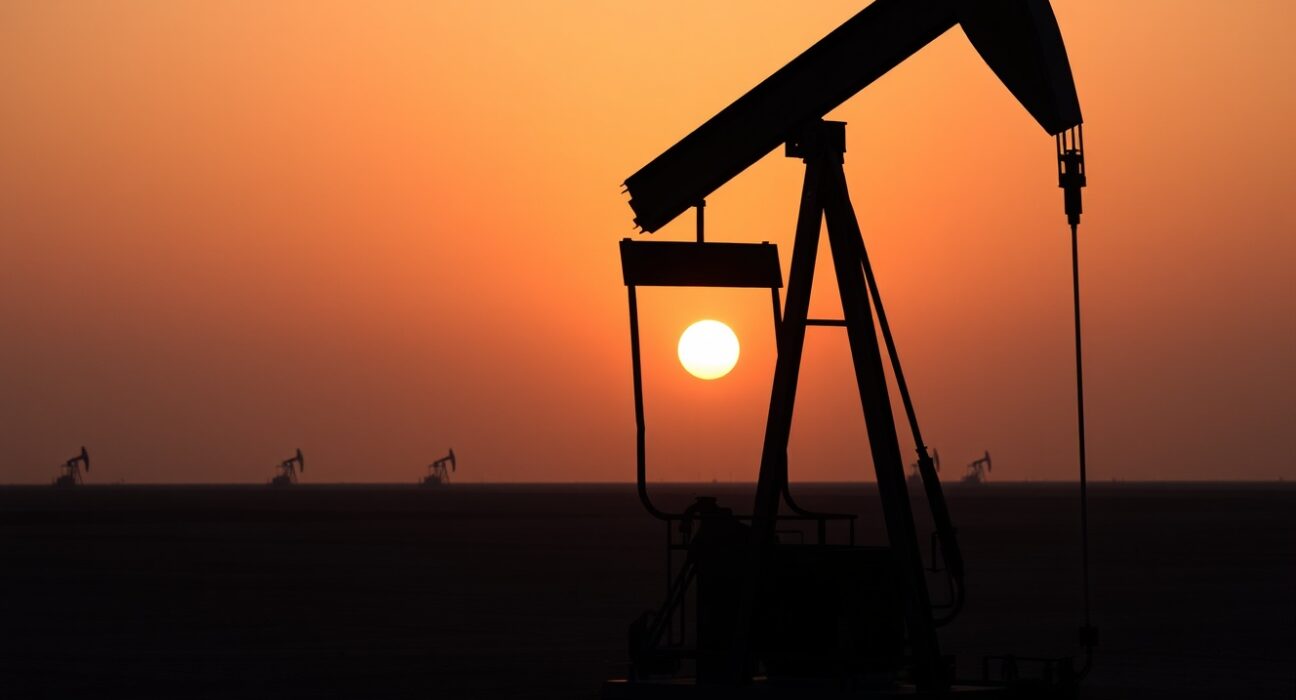
West Texas Intermediate (WTI) crude oil prices edged lower on Tuesday, pulling back from recent gains as market participants reassessed the likelihood of a significant disruption to shipping through the Strait of Hormuz. The retreat came despite ongoing geopolitical tensions in the Middle East, with traders shifting their focus to the upcoming US nonfarm payrolls report for clearer signals on energy demand.
Hormuz Strait Risk Premium Fades
Earlier this week, WTI briefly spiked above $78 per barrel after unverified reports suggested a potential naval incident near the Strait of Hormuz, a critical chokepoint for global oil shipments. However, subsequent statements from regional maritime authorities and the absence of any confirmed disruption led traders to unwind the risk premium. By midday Tuesday, WTI was trading near $76.20, down approximately 1.5% from Monday’s highs.
The Strait of Hormuz sees roughly 20% of the world’s oil transit daily. Any actual closure or major incident could send prices surging, but markets have become conditioned to periodic alarm without follow-through. Analysts at several trading desks noted that the move lower reflected a return to fundamentals rather than a complete dismissal of geopolitical risk.
US Jobs Report Takes Center Stage
With the Hormuz scare fading, the oil market’s immediate focus has shifted to the US labor market. The Bureau of Labor Statistics is scheduled to release the February jobs report on Friday. Economists expect nonfarm payrolls to have increased by 190,000, with the unemployment rate holding steady at 3.7%.
A stronger-than-expected reading would reinforce the narrative of a resilient US economy, supporting oil demand expectations. Conversely, a weak report could reignite recession fears and put additional downward pressure on crude prices. WTI has already been under pressure this year from concerns about slowing global economic growth and ample supply from non-OPEC producers.
What the Jobs Data Means for Oil Traders
The relationship between employment data and oil prices is not always direct, but the jobs report remains one of the most closely watched macroeconomic indicators for energy markets. Strong job growth typically correlates with higher gasoline and diesel consumption, while rising wages can fuel inflationary concerns that complicate Federal Reserve policy. For oil traders, the report provides a critical data point for calibrating demand forecasts in the world’s largest oil consumer.
Broader Market Context
WTI’s retreat also comes amid a broader pullback in commodities, with the Bloomberg Commodity Index slipping 0.3% on Tuesday. The US dollar strengthened modestly, making dollar-denominated commodities less attractive to foreign buyers. Meanwhile, OPEC+ production cuts remain in effect, providing a floor under prices, but the cartel’s ability to influence the market has been tested by rising output from the United States, Brazil, and Guyana.
Inventory data from the American Petroleum Institute, due later Tuesday, is expected to show a modest build in crude stockpiles, which could add to the bearish sentiment if confirmed by the Energy Information Administration on Wednesday.
Conclusion
WTI crude oil’s retreat from Hormuz-related highs underscores the market’s tendency to price in and then quickly discount geopolitical scares without confirmed disruption. With the geopolitical risk premium partially unwound, traders are now squarely focused on the US jobs report for directional cues. A strong labor market reading could provide near-term support for oil prices, but broader concerns about global demand and rising non-OPEC supply are likely to keep gains capped. The coming days will test whether the market can sustain a rally above $78 or whether the prevailing downward trend resumes.
FAQs
Q1: Why did WTI crude oil prices retreat?
A: WTI retreated after markets reassessed the likelihood of a significant disruption to shipping through the Strait of Hormuz. Unverified reports of a potential incident were not confirmed, leading traders to unwind the associated risk premium and refocus on economic fundamentals.
Q2: How does the US jobs report affect oil prices?
A: The US nonfarm payrolls report is a key indicator of economic health and energy demand. Strong job growth typically signals higher fuel consumption, supporting oil prices, while weak data can raise recession fears and push prices lower.
Q3: What is the Strait of Hormuz and why does it matter for oil?
A: The Strait of Hormuz is a narrow waterway between Iran and Oman through which about 20% of the world’s oil passes daily. Any disruption to shipping there can significantly impact global oil supply and prices.
Disclaimer: The information provided is not trading advice, Bitcoinworld.co.in holds no liability for any investments made based on the information provided on this page. We strongly recommend independent research and/or consultation with a qualified professional before making any investment decisions.
