

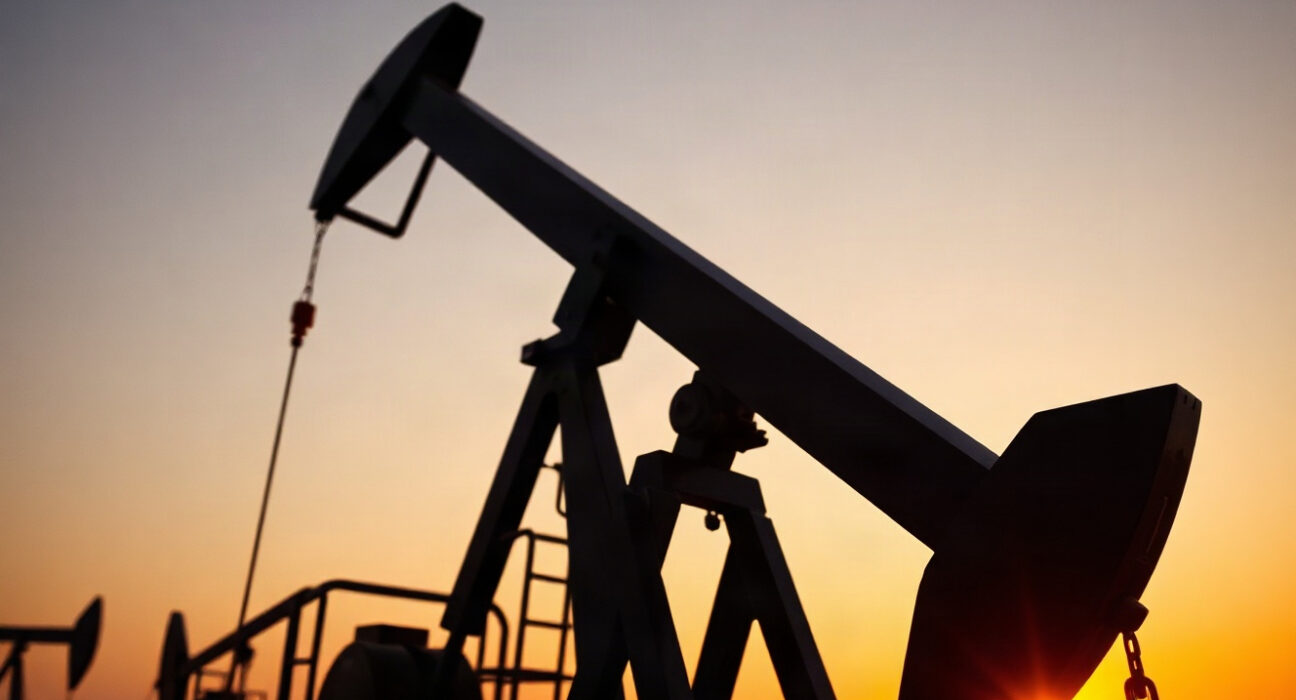
West Texas Intermediate (WTI) crude oil futures rose to a three-week high on [Date], as the prolonged deadlock in Iran nuclear negotiations reinforced expectations of continued supply constraints in the global oil market. The benchmark contract traded at [price] per barrel, up [percentage] from the previous session, reflecting growing investor concern over the lack of a near-term resolution to the diplomatic impasse.
Iran Nuclear Talks: A Key Supply Variable
The stalemate in talks over Iran’s nuclear program has become a critical factor for oil traders, as the potential return of Iranian crude to the market remains a major uncertainty. The latest round of negotiations, which concluded without a breakthrough, has dashed hopes for a swift resumption of Iranian oil exports. This has reinforced the view that the market will remain relatively tight, with OPEC+ production cuts and geopolitical risks continuing to support prices.
Market Drivers and Price Action
Beyond the Iran factor, WTI prices have been underpinned by a combination of robust demand indicators and supply-side discipline from major producers. Recent inventory data from the U.S. Energy Information Administration showed a drawdown in crude stockpiles, signaling healthy consumption. Additionally, OPEC+ leaders have maintained their output reduction strategy, aiming to stabilize prices. These elements have collectively pushed WTI to its highest level in three weeks, a move that analysts attribute to a recalibration of risk premiums.
Implications for Consumers and the Broader Economy
The rise in crude prices carries direct implications for consumers, as higher oil costs often translate into increased gasoline and heating fuel prices. For businesses, particularly in transportation and manufacturing, sustained oil price strength can pressure profit margins. Economists note that while the current levels are not yet at a point to derail economic growth, prolonged elevation could contribute to inflationary pressures, potentially influencing central bank policy decisions.
Conclusion
As of [Date], WTI crude oil’s ascent to a three-week high underscores the market’s sensitivity to geopolitical developments, particularly the Iran nuclear deadlock. With supply-side factors and robust demand continuing to shape the outlook, traders and analysts will closely monitor any diplomatic progress or shifts in OPEC+ policy. The current environment suggests that oil prices may remain elevated, with implications for energy costs and global economic activity.
FAQs
Q1: Why is the Iran nuclear deadlock affecting oil prices?
The Iran nuclear talks are closely watched because a successful agreement could lead to the lifting of sanctions and a return of Iranian crude exports, increasing global supply. The current deadlock means that additional supply is unlikely in the near term, supporting higher prices.
Q2: What is the current level of WTI crude oil prices?
As of [Date], WTI crude oil is trading at [price] per barrel, a three-week high. Prices have been supported by supply constraints and robust demand, with the exact figure fluctuating based on market conditions.
Q3: How might rising oil prices affect consumers?
Higher oil prices typically lead to increased costs for gasoline, diesel, and heating oil, which can raise living expenses. They can also contribute to broader inflation, affecting the cost of goods and services that depend on transportation and energy inputs.
Disclaimer: The information provided is not trading advice, Bitcoinworld.co.in holds no liability for any investments made based on the information provided on this page. We strongly recommend independent research and/or consultation with a qualified professional before making any investment decisions.
