

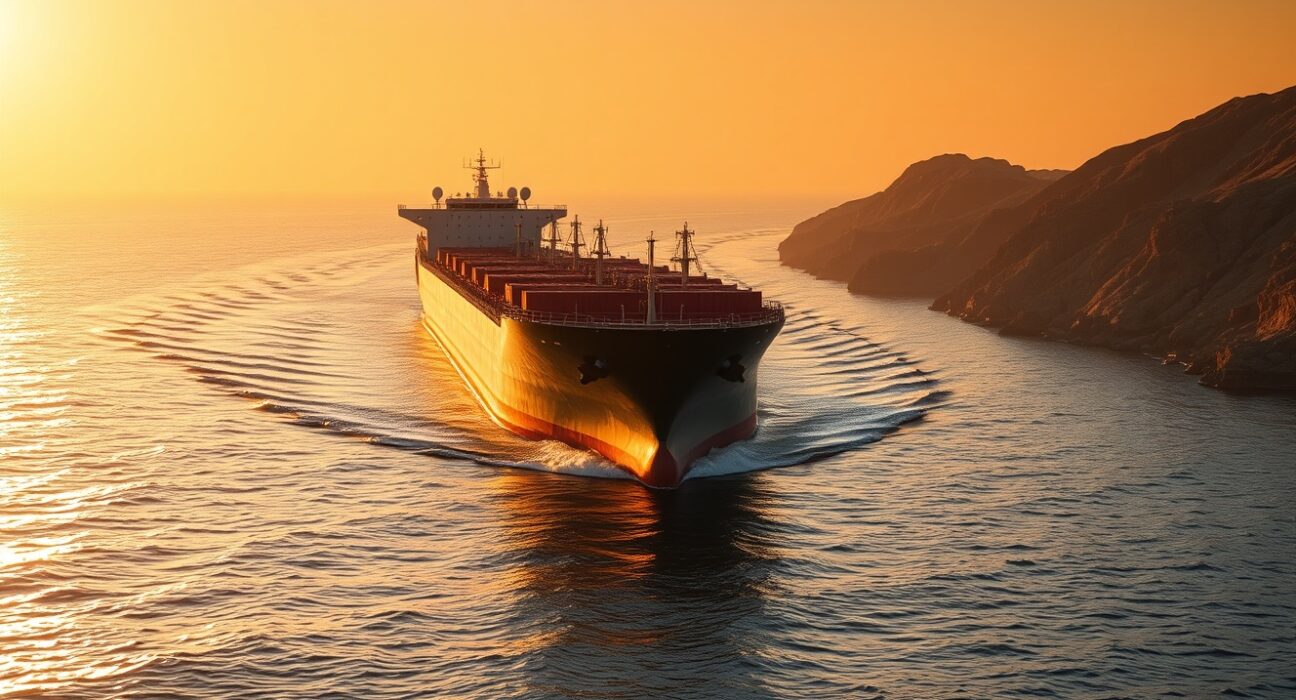
Oil markets are currently being driven by headline risk and a geopolitical premium tied to the Strait of Hormuz, according to analysts at ING. The bank notes that while fundamentals remain relatively balanced, the potential for supply disruptions in the region is keeping prices elevated and sensitive to news flow.
Headline-Driven Volatility in Oil Markets
ING analysts point out that oil prices have become increasingly reactive to headlines, particularly those related to tensions in the Middle East. The Strait of Hormuz, a critical chokepoint for global oil shipments, remains a key source of uncertainty. Any escalation in the region could threaten the passage of tankers, potentially removing millions of barrels per day from the market.
This risk premium is not new, but its persistence reflects a market that is pricing in a non-negligible probability of disruption. The bank suggests that without a clear de-escalation, this premium is likely to remain a feature of the market.
Fundamentals vs. Geopolitics
Underneath the geopolitical noise, oil supply and demand fundamentals appear relatively stable. OPEC+ production cuts have helped support prices, but non-OPEC supply growth, particularly from the United States, has provided a counterbalance. Global demand growth, while positive, has been modest, partly due to economic slowdowns in key consuming regions.
ING’s analysis indicates that the current price level is not fully justified by fundamentals alone. Instead, the geopolitical risk premium accounts for a significant portion of the recent gains. This creates a situation where prices could correct sharply if tensions ease, but could also spike dramatically if the situation worsens.
Implications for Traders and Consumers
For traders, this environment demands close attention to geopolitical developments and headline risk. For consumers, particularly those in fuel-importing nations, the premium translates into higher costs at the pump and increased inflationary pressure. Policymakers may need to consider strategic reserves or diplomatic efforts to mitigate potential supply shocks.
Conclusion
ING’s assessment underscores the delicate balance in oil markets, where geopolitical risk is currently a dominant price driver. While fundamentals provide a floor, the ceiling is determined by the evolving situation around the Strait of Hormuz. Market participants should expect continued volatility until there is a clear resolution to the underlying tensions.
FAQs
Q1: What is the Strait of Hormuz risk premium?
The risk premium is the extra cost built into oil prices due to the possibility of supply disruptions at the Strait of Hormuz, a narrow waterway through which about 20% of global oil passes.
Q2: How do headlines affect oil prices?
Oil prices react quickly to news about geopolitical tensions, supply disruptions, or diplomatic developments. This is because traders adjust their positions based on perceived changes in risk, often leading to sharp but temporary price moves.
Q3: Could oil prices fall if tensions ease?
Yes, ING analysts suggest that a significant portion of current oil prices is due to geopolitical risk. If tensions de-escalate, the risk premium could unwind, leading to a notable price decline, potentially back toward levels supported by fundamentals.
Disclaimer: The information provided is not trading advice, Bitcoinworld.co.in holds no liability for any investments made based on the information provided on this page. We strongly recommend independent research and/or consultation with a qualified professional before making any investment decisions.
